in Barcelona
 3 to 5 Nov 2026
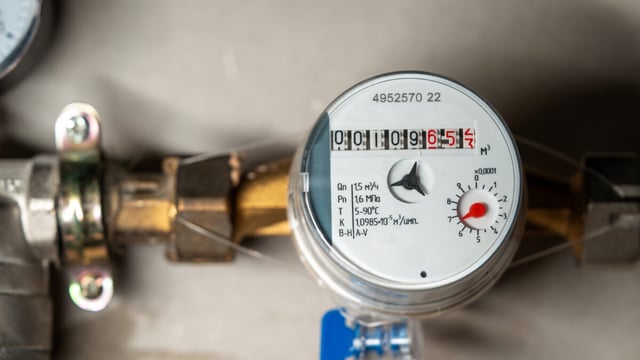
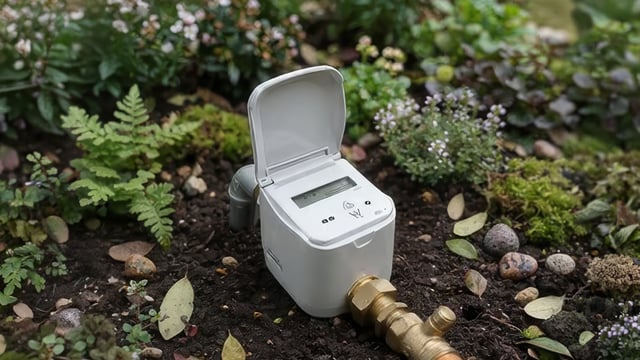
The Nicosia District Local Government Organisation (EOA Nicosia), the district body that took over water, sewerage and waste services around the Cypriot capital in July 2024, began on 2 November 2026 replacing 72,000 conventional water meters with ultrasonic smart meters. Work started in Area 9 of Engomi under a €6.5 million supply contract signed with Cyta on 29 April 2026 and co-financed by the European Union.
Installation will move from Engomi to Latsia (Area 21) and then to Lakatamia (Areas 40 and 41), with progress mapped on the organisation’s smart meter page, as reported by Cyprus Mail on 6 November 2026.
Daily Readings Replace Manual Rounds Across 72,000 Connections
The ultrasonic meters record consumption daily and send readings automatically to EOA Nicosia. That removes the manual reading rounds that currently drive billing and gives the utility a daily view of consumption across a large part of its network.
Ultrasonic meters measure flow from the transit time of sound pulses through the water, with no moving parts to wear. That design keeps them accurate at the low flow rates typical of a dripping fitting or a running toilet, which mechanical meters tend to under-record.
The daily data feeds an alerting function that flags unusual changes in consumption by email or SMS. Households can then check for leaks on their side of the meter before the next bill arrives, and follow their own usage through the organisation’s online portal, which requires a consumer or meter number and a mobile phone number to register.
EOA Nicosia operates a 2,565 km network, 115 km longer than in 2024, serving more than 170,000 water meters. It had repaired 8,248 faults since its creation, according to figures presented by the district governor in February 2026 and reported by Kiprinform, which places this first stage at roughly 42% of the meter base.
A €6.5 Million Contract Delivered In Eight Batches
The contract signed in April is worth €6.5 million and is co-financed through the EU’s THALIA 2021-2027 cohesion policy programme for Cyprus. Meters are delivered in eight batches of 9,000 units, with the first batch due in August 2026, according to Cyprus Mail and Kiprinform.
Cyta, the semi-governmental telecommunications provider, won the tender as the lowest-priced bid that met the technical specifications, Philenews reported. The first stage covers areas including Aglantzia, Engomi, Makedonitissa, part of Strovolos, old Nicosia, Latsia, Geri, Tseri, Anthoupoli, Ergates, Lakatamia and Kato Pyrgos Tyllirias.
“Immediate savings of water will be achieved, as we will know in real time about a leak or accidental overconsumption,” said Constantinos Yiorkadjis, president of EOA Nicosia, at the 29 April 2026 contract signing, as reported by Cyprus Mail.
Cyta already supplies the island’s electricity metering programme through a €50 million contract with the Electricity Authority of Cyprus for 400,000 smart meters. It is also behind the €35 million national smart city platform funded through the Recovery and Resilience Facility.
Walled City Pilot Tested Two Networks
The rollout follows a pilot launched in April 2024 under a memorandum between Nicosia Municipality and the former Water Board of Nicosia. It planned 3,000 Diehl Metering Hydrus ultrasonic meters in the walled city, the first 1,500 connected over LoRa through the Smart Nicosia platform and the second 1,500 over NB-IoT, according to Enlit. Running two networks side by side gave the utility a direct comparison of LoRa and cellular coverage in the dense, stone-built streets of the walled city, where radio penetration into underground meter boxes is a common limit on reading success.
EOA Nicosia says the pilot saved about 1,800 m³ of water every two weeks through early leak detection, giving the utility a measured baseline from the walled city to compare against the wider rollout.
Drought And Losses Set The Stakes For Cyprus
Cyprus entered 2026 with reservoirs at about 10% of capacity. An emergency cabinet meeting on 23 January approved a €31 million package, asked households to cut use by 10% and reduced water allocations to farmers by 30%, Euronews reported, and storage still stood at only 13.8% in mid-February.
EOA Nicosia reported in October 2026 that non-revenue water in its area stands at 22%, against a Cypriot average of 33% and a European average of 25%. About 27 million m³ a year flows through the Nicosia networks, around 40% of national use, according to Cyprus Mail.
The island’s Audit Office put losses across Cyprus at 48.1 million m³ over 2021 to 2023, worth about €13 million a year, Cyprus Mail reported. Other district bodies are running their own programmes, with Larnaca installing 25,000 smart meters from October 2025 and Limassol passing 40,000, both funded by the Recovery and Resilience Facility.
What Island Utilities Have Achieved With Full Metering
Malta, the closest comparable in scale and climate, has metered almost its entire customer base, with SUEZ supporting more than 310,000 meters and 96% coverage under a contract extended in January 2025. Its Water Services Corporation cut network losses from 1,020 m³ an hour in 2004 to 398 m³ an hour in 2020 and recovered more than €700,000 in unbilled consumption, according to MaltaToday.
In England, Anglian Water reported more than 500,000 smart meters installed by May 2023. The utility says more than 100,000 customer-side leaks have been fixed since 2020, saving customers about £15 million a year on bills.
With 9,000 meters arriving per batch and a loss rate already below the national average, the gains from this stage will depend less on the hardware than on how many of the 72,000 account holders register for alerts. Customer-side leaks stop only when a household acts on a notification, and Anglian Water’s 100,000 customer-side repairs show the scale that response can reach once most accounts are enrolled.