in Barcelona
 3 to 5 Nov 2026
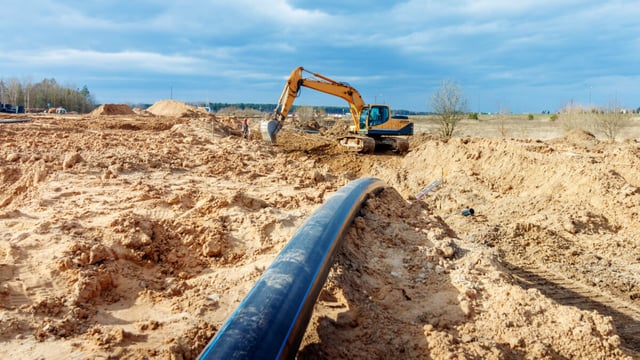
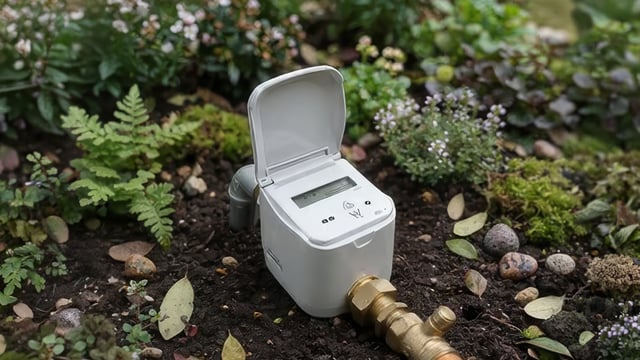
The Famagusta District Local Government Organisation (EOA Famagusta), the district authority that has run water supply, sewerage and waste services in the government-controlled part of Cyprus’s Famagusta district since July 2024, approved €17.7 million in development projects for 2027 on 16 November 2026, with the Paralimni flood defence scheme, an extension of the Kokkinochoria sewerage system with 15 new pumping stations and the installation of smart water meters among the main items, as reported by Cyprus Mail. The 2027 allocation is the first year of a €46.4 million development programme covering 2027 to 2029, of which about 38% is scheduled for the coming year and €8 million is backed by European and national funding.
€28.7 Million Remains For 2028 And 2029 In A €46.4 Million Programme
The programme leaves roughly €28.7 million for 2028 and 2029, which places most of the programme’s value in its second and third years. The authority said it would continue to seek external funding for its infrastructure. EOA Famagusta is one of the district bodies created under the 2022 law on District Organisations of Local Government, which transferred the former water boards, sewerage boards and the water supply powers of municipalities and communities to one organisation per district on 1 July 2024.
Water supply items in the 2027 budget include upgrades to distribution networks across the district and the replacement of the main pipeline linking Ayia Napa and Paralimni, the two resort municipalities on the district’s south-eastern coast. A photovoltaic installation at the Achna wastewater treatment plant is intended to reduce energy costs at the facility, and the authority also plans to apply new digital tools to modernise its customer services.
This project is heading to tender
New smart water tenders worldwide, flagged daily with an AI summary.
Paralimni Flood Works Carry A €14.28 Million Budget
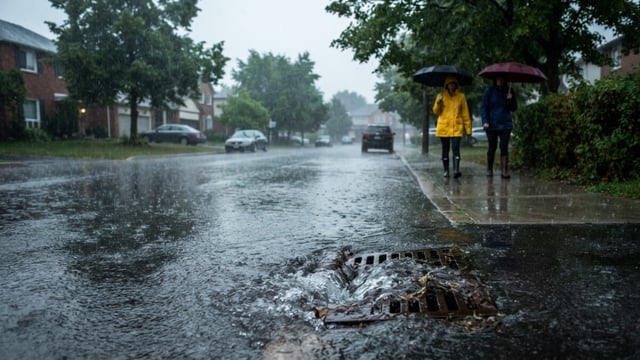
The Paralimni flood defence scheme entered the programme with funding already secured. In April 2026 the EOA announced that the Directorate General for Growth at the Cypriot Ministry of Finance had approved co-financing for the works, which carry a budget of €14.28 million including VAT under the European Union’s THALIA 2021-2027 Cohesion Policy Programme, according to Politis. The works are designed to increase drainage capacity and improve stormwater management in a municipality where flooding during heavy rainfall is a long-standing problem for homes, businesses and public spaces.
The approval followed a period in which the authority had pressed central government for decisions on its larger water schemes. In February 2026, EOA president Yiannis Karousos told the Cyprus News Agency that the organisation was awaiting confirmation on flood protection works for Paralimni and Protaras estimated at about €15 million, a €2.5 million replacement of the Kokkinokremmos pipeline and a drinking water pipeline from the Dhekelia desalination plant to Kokkinokremmos hill, Cyprus Mail reported.
Kokkinochoria Sewerage Extension Builds On A €32.97 Million EU-Funded Phase
The 15 pumping stations planned under the 2027 budget extend a sewerage system serving the Kokkinochoria, the cluster of agricultural villages straddling the Famagusta and Larnaca districts. Phase II of that system, covering collection networks for Avgorou, Achna, Agios Georgios Acheritou, Liopetri and Phrenaros as well as the municipalities of Deryneia and Sotira, was a €32.97 million investment with a €22.51 million contribution from the EU Cohesion Fund, according to the European Commission. The Commission’s project record puts the served population at 43,900 people by 2039 and the treatment capacity at 10,644 m³ a day.
Smart Meters Follow A Leak Repair Drive On A 36% Loss Rate
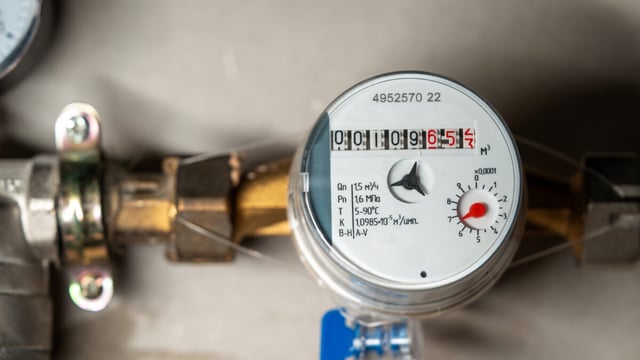
The smart meter and monitoring line in the 2027 budget follows a sequence of loss reduction measures that the authority began in 2026. In May, EOA Famagusta signed two contracts worth €972,850 plus VAT each for excavation, repair and reinstatement works on the networks of Paralimni-Deryneia and Ayia Napa, with more than 3,000 faults expected to be repaired over 24 months under THALEIA co-financing, Politis reported. At that signing, Karousos put losses on the authority’s network at around 36% and said smart water meters would follow.
“We are proceeding for the first time with an organised and targeted effort to address a large number of faults,” said Yiannis Karousos, president of the Famagusta District Local Government Organisation, at the contract signing on 14 May 2026, as reported by Politis from the Cyprus News Agency.
In August 2026 the authority added a nine-month, €76,000 cooperation with the KIOS Research and Innovation Centre of Excellence to analyse network data, build and validate hydraulic models for selected areas, assess locations for pressure reducing valves and set up a monitoring and reporting system, according to Cyprus Mail. Pressure management and metering data together give a utility the means to divide a network into measured zones and target repairs where night flows show the largest losses.
Other Cypriot District Authorities Are Further Into Metering
The neighbouring district organisations have already moved to volume deployments. EOA Nicosia began replacing 72,000 conventional meters with ultrasonic smart meters on 2 November 2026 under a €6.5 million contract with Cyta, co-financed through THALIA, and reports non-revenue water of 22% against a Cypriot average of 33%, as Kurrantly reported earlier this month. Larnaca has been installing 25,000 smart meters since October 2025 and Limassol has passed 40,000, both funded through the Recovery and Resilience Facility.
Those programmes operate against a national water shortage. Cyprus entered 2026 with reservoirs at about 10% of capacity, and the government approved a €31 million emergency package in January that asked households to cut consumption by 10% and reduced allocations to farmers by 30%.
With a loss rate 14 percentage points above Nicosia’s and more than 3,000 repairs already contracted, the return on Famagusta’s metering spend will depend on how quickly the KIOS hydraulic models and pressure valve locations are turned into metered zones, since meter data that cannot be compared against zone inflows will show consumption but not where the network is leaking.