in Barcelona
 3 to 5 Nov 2026
Santa Clara County has approved the installation of AI-powered smoke sensors to enhance wildfire detection as fire season begins. The move follows similar deployments in other Bay Area jurisdictions, including Oakland, Palo Alto, Woodside, and Stanford University.
The sensors, which detect smoke from up to four miles away, will be placed in high-risk areas, particularly in the county’s eastern and southern regions. The project’s estimated cost for 30 sensors, including installation and one to two years of operation, ranges between $210,000 and $260,000.
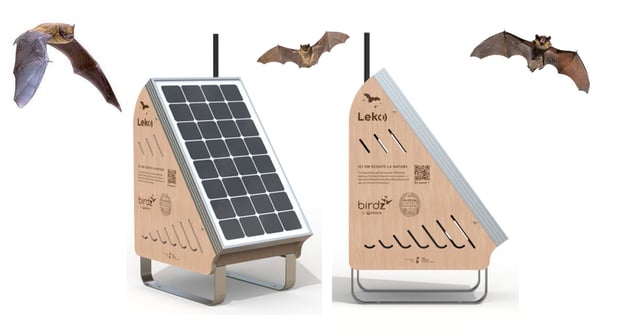
Developed by Maryland-based N5, the solar-powered devices use AI to analyze smoke particulates and gases. If a potential fire is detected, alerts are sent to authorities via cellular or satellite networks.
Recent destructive wildfires in California have heightened concerns over early detection. The county’s decision reflects a broader effort to integrate technology into wildfire prevention strategies. Installation is expected to be completed by the end of the year.