 in Barcelona
 3 to 5 Nov 2026
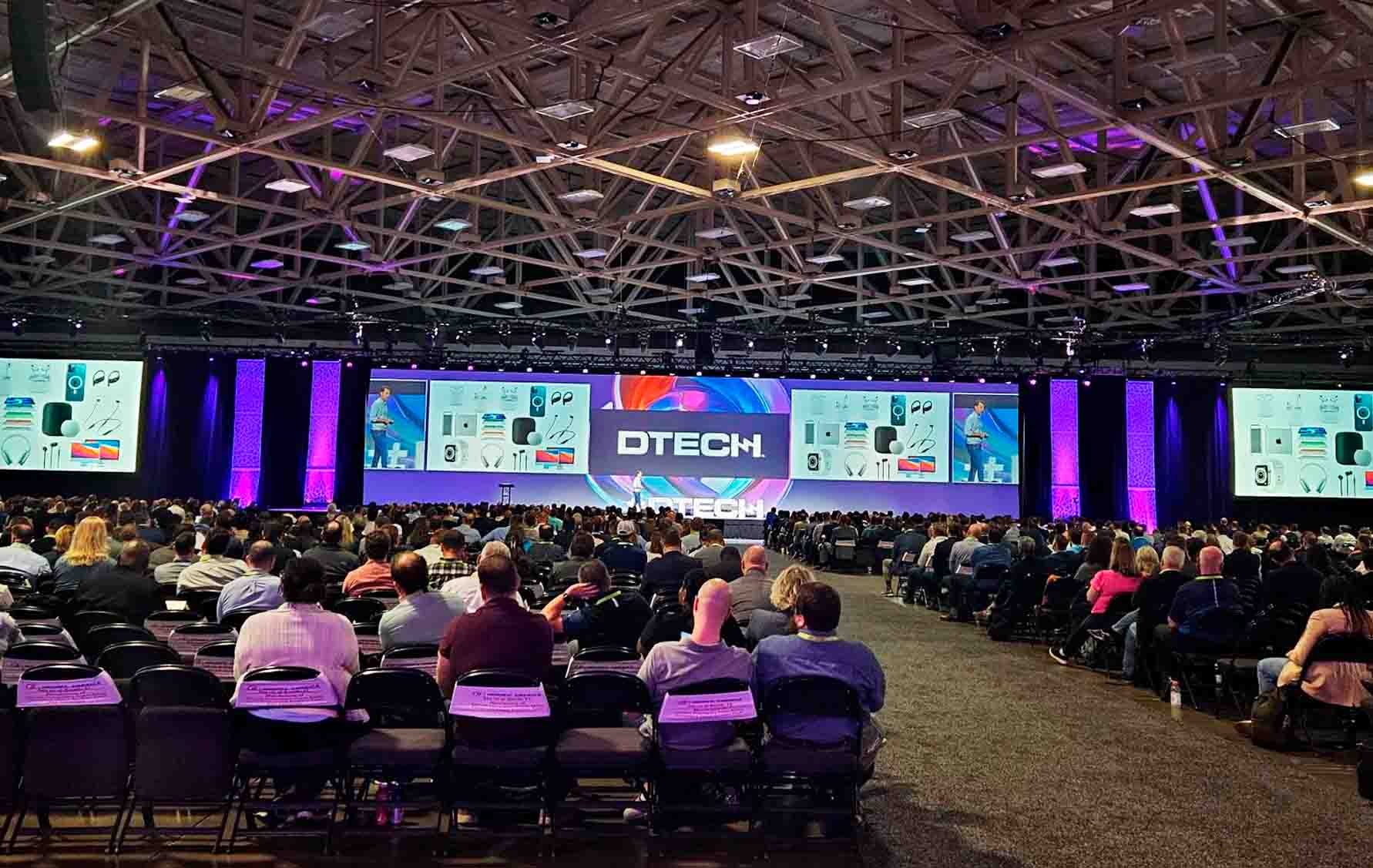
DistribuTECH 2024
This event, renowned as the world's largest and most influential gathering for utilities and smart solution providers, is increasingly spotlighting smart city use cases and solutions. It's paving the way for exciting new opportunities within the smart city sector.
Distributed Intelligence, Next Big Hit?
📖 Read Video Transcript
What we found after that is our customers were deluged with data.
They were getting so much data coming from these end points, millions of devices.
They just didn't know what to do with it.
Analyzing the data, giving outcomes was kind of the next step.
Where we're headed and what we have with kind of our Grid Edge Intelligence program and what we call distributed intelligence is pushing the processing and the compute to the edge, to the level where the meter or the streetlight controller, even the EV charger has intelligence that they can take the data and process it locally.
And then with a communications network, actually talk to their neighbors and say: OK, meter down the street, are you seeing this condition?
I'm seeing this condition.
Yes.
That means the following is happening.
Let's take an action or let's send an alert in order to know that there's an alert or know there's a failure sometimes that may require you bringing back a whole lot of data and have a whole lot of compute in that centralized world where if you can push it to the edge and have that processing happen at the edge, it's more efficient from a networking perspective, from a central server perspective.
And what you lose when you centralize everything is you lose kind of the proximity.
My what am I seeing versus what my neighbor seeing was what the other neighbor seeing.
You could compute that in the back office, but having it done at the edge gives you the immediacy of the condition.
So, you know it's happening and you can take action at the edge.
So, in the smart cities world when you talk about the different types of sensors one of the applications that we think could be a good fit for the edge is sort of the concept of adjusting your lighting based on traffic volumes.
It's a concept that we've kind of seen starting to pick up.
So if you have sensors deployed on the edge, then those sensors are counting the data of the volume of traffic, pedestrians, cars, whatever it is, and they can communicate locally to the lights in that area.
So volume of traffic on this street might not match volume of traffic on this street.
So you don't want to make a wholesale neighborhood lighting change because traffic on this street changed.
You do want to localize that.
So I think having that capability at the edge and enabling that and of course sending that data back to your CMS, your central management system always has to know and reflect what is actually happening in the field.
But you don't have to wait for that command to be coming from the central management office.
Right now, we're focusing on solving a lot of the problems that utilities have.
One example of that is, you know, electric vehicle identification.
So basically having intelligence on the meter to know the dynamic nature and the the profile change, what happens when you plug in an EV.
So it kind of we've defined sort of a low disaggregation.
So when you put load on to the meter, whether it's your refrigerator or your television, an EV is a very big load, right?
So we can see that change on the meter.
Our DI capability will allow them to identify, hey, a load just came on in this house and we think it's an EV.
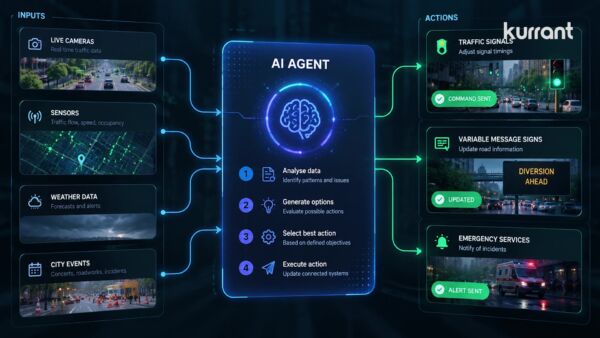
So send a note to the utility Our distributed intelligence you could think of as a form of AI.
You’re creating a program, a piece of software that's going to be running at the edge, that takes data, processes it, and then sends you an outcome.
And that could have been done in the central software.
It could have been done by an accountant who downloads all the data, puts it into a spreadsheet, does all that number crunching on their own.
So call it AI call it DI.
It's sort of the same thing.
It's getting more efficient and effective with the programing capabilities and the software and what it can do for you given the right data set.
And as long as that data set sort of is consistent and clean, the AI can sort of take it from there.
About DistribuTECH 2024
This event, renowned as the world's largest and most influential gathering for utilities and smart solution providers, is increasingly spotlighting smart city use cases and solutions. It's paving the way for exciting new opportunities within the smart city sector.
More DistribuTECH International editions
Latest Kurrantly News
All news UKRI Opens £15M Competition To Scale Interoperable Bidirectional EV Charging
 Galapagar Awards Veolia 15-Year Energy-Services Contract Covering 4,500 Streetlights
 Smart-Bin Billing Dispute in Florence Area Heads to Italy’s Court of Auditors and ARERA
 Signify Adds Smart Faults To Interact To Correlate Outdoor Lighting Network Anomalies
 Famagusta Approves €17.7M For 2027 Flood, Sewerage And Smart Meter Projects
 Chiyoda City Installs 22 Forcetec SmaGO Solar Compacting Bins In Akihabara
Latest Kurrant Originals
See all
Kurrant advisory
Planning a smart city or utility project? Talk to Kurrant.
Behind these interviews is Kurrant's advisory team, working with utilities, cities and the companies that serve them.
- Strategy AdvisoryKurrant is actively involved in resolving the challenges that cities, utilities and industry players are facing.
- M&A AdvisorySmart city and utility expertise for successful deals, turning insights into strategic gains.
- Engineering & ProcurementBetter engineering and procurement decisions, by identifying and developing digital and IoT solutions across use cases.
Or write to us: contact@kurrant.com
Send us a message
© Kurrant. All Rights Reserved. · Editorial Standards · Cookie settings
This site is protected by reCAPTCHA and the Google Privacy Policy and Terms of Service apply.