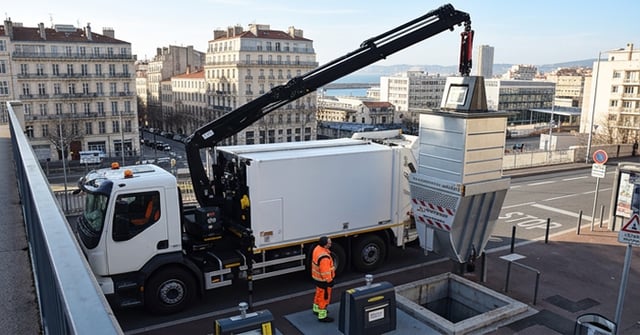
in Barcelona
 3 to 5 Nov 2026
Chiyoda City, the Tokyo ward that covers the Akihabara electronics and pop-culture district, began operating 22 SmaGO smart waste bins at 10 sites along Akihabara Chuo-dori and around JR Akihabara Station on 8 November 2026, in a deployment supplied by Tokyo-based Forcetec Co., Ltd. and funded through the Tokyo Metropolitan Government’s TOKYO Clean Up Action subsidy, according to Forcetec’s 9 November announcement.
The installation splits into 10 solar-powered compacting units for general waste and 12 non-compacting units for bottles, cans and PET bottles, and it reverses a long-standing ward position that visitors should carry their rubbish home, a shift Mayor Takaaki Higuchi described as the first municipally led smart bin installation in Japan, Impress Watch reported.
Ten Compacting Units For General Waste, Twelve For Recyclables
The sites run along Chuo-dori from the area around JR Akihabara Station towards Suehirocho Station on the Tokyo Metro Ginza Line, covering the stretch that becomes a pedestrian zone on Sundays and that carries the heaviest visitor footfall in the district.
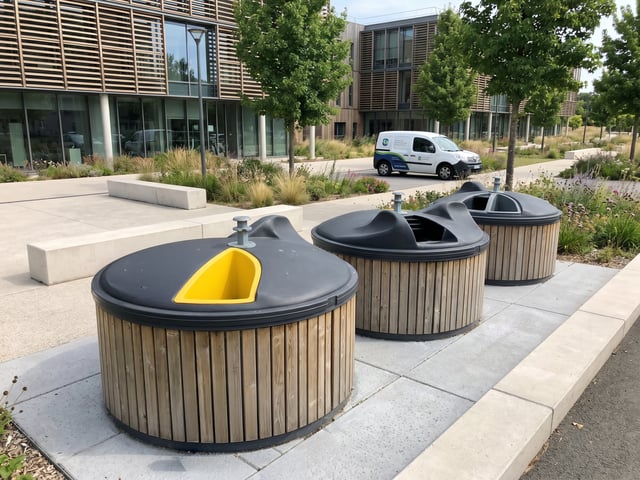
Each compacting unit uses a built-in solar panel to power a press that reduces general waste to about one-fifth of its volume once the contents pass a set level, and a communications module reports the fill level so that collection crews can schedule pickups for full bins rather than run fixed rounds, according to Forcetec.
The units carry a “CLEAN AKIBA!” wrap, and the SmaGO body can be printed with custom designs for public awareness messages or sponsorship, which gives the ward a channel to offset part of the running cost through advertising on the street furniture itself.
Forcetec, headquartered in the Otemachi One Tower in Chiyoda, has operated the SmaGO service since 2020 and says the product is now installed at about 80 locations across Japan.
Tokyo Subsidy Covers Installation And Three Years Of Operation
The TOKYO Clean Up Action programme, which runs until fiscal year 2028, is open to municipalities and contractors and subsidises the development of recycling stations, including smart bins, covering installation costs and operating costs up to the third year, Impress Watch reported.
Higuchi presented the Akihabara plan at a meeting of the TOKYO Clean Up Promotion Council on 30 July 2026, where council documents published by the Tokyo Bureau of Environment record the district receiving about 11 million inbound visitors a year and a survey of foreign visitors that ranked the shortage of rubbish bins as their first complaint.
The same council session heard from Okutama Town, which ran a 47-day trial of two smart bins near Hatonosu Station from 8 August to 23 September 2026, and from East Japan Railway Company, which piloted compacting bins at Matsumoto Station in October 2025 and Oyama Station in December 2025, showing the subsidy reaching rural, rail and urban operators in the same cycle.
Higuchi’s pitch to the council framed the Akihabara bins as shared infrastructure, proposing that waste from what visitors buy, eat and drink in the district be handled locally, with costs and responsibilities divided among the ward, residents, businesses and visitors.
Forcetec Reports 70% Fewer Collections In Omotesando
Forcetec’s results from earlier sites provide the reference points for Akihabara: where SmaGO replaced existing bins in Tokyo’s Omotesando and Harajuku areas, collection frequency fell by about 70%, and where new units were placed in Osaka’s Dotonbori district, litter around the bins fell by about 90% excluding cigarette butts, according to the company’s own figures.
The Omotesando installation was made by neighbouring Shibuya City, which has taken the regulatory route in parallel, with a revised ordinance in force from 1 April 2026 that requires food and beverage retailers near Shibuya, Harajuku and Ebisu stations to install bins and introduced a 2,000 yen administrative fine for littering from 1 June 2026, Metropolis reported.
The pressure behind both measures is volume: Japan received 42,683,600 foreign visitor arrivals in 2025, an increase of 15.8% on the 36,870,148 recorded in 2024, according to preliminary figures from the Japan National Tourism Organization, and central Tokyo districts such as Akihabara concentrate that growth into a few streets.
Public bins became scarce in Tokyo after the 1995 sarin attack on the subway system, when operators removed receptacles for security reasons, and maintenance costs kept numbers low afterwards, so the ward is rebuilding a network rather than upgrading an existing one.
Collection Data Will Set The Benchmark For Other Wards
Comparable sensor-bin programmes in Europe offer a scale reference, with Dortmund installing 92 sensor-equipped Big Belly bins across 14 parks and its zoo for about €366,700 net in October 2026, a pilot built on the same combination of solar compaction and fill-level reporting.
For Chiyoda, the fill-level data from the 10 compacting units over the first full year, including the New Year sales and the summer peak in inbound arrivals, will show whether 22 units at 10 sites match the 70% reduction in collection rounds that Forcetec reports from Omotesando, and that figure will shape how other Tokyo wards size applications to the TOKYO Clean Up Action fund before it closes in fiscal year 2028.