 in Barcelona
 3 to 5 Nov 2026
← Back to all events
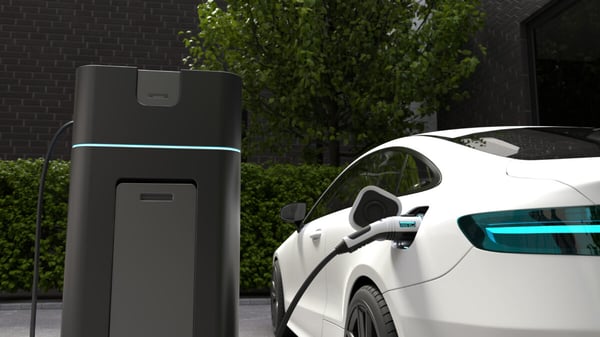 UKRI Opens £15M Competition To Scale Interoperable Bidirectional EV Charging
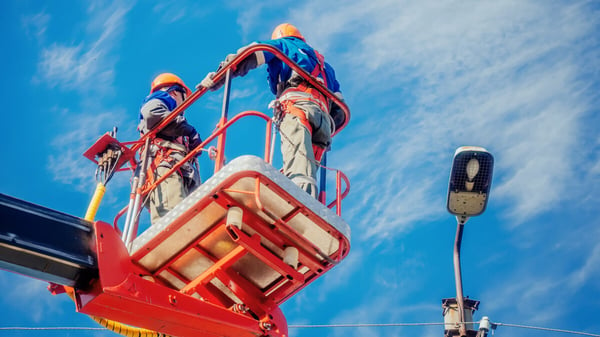 Galapagar Awards Veolia 15-Year Energy-Services Contract Covering 4,500 Streetlights
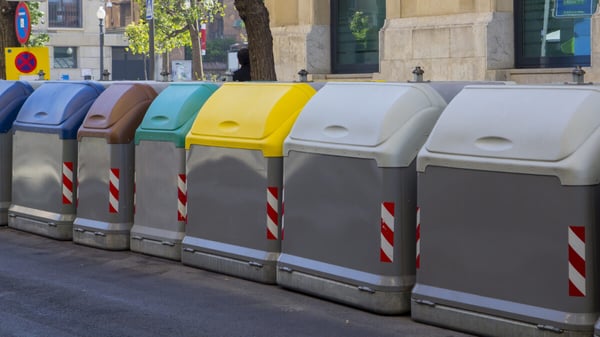 Smart-Bin Billing Dispute in Florence Area Heads to Italy’s Court of Auditors and ARERA
 Signify Adds Smart Faults To Interact To Correlate Outdoor Lighting Network Anomalies
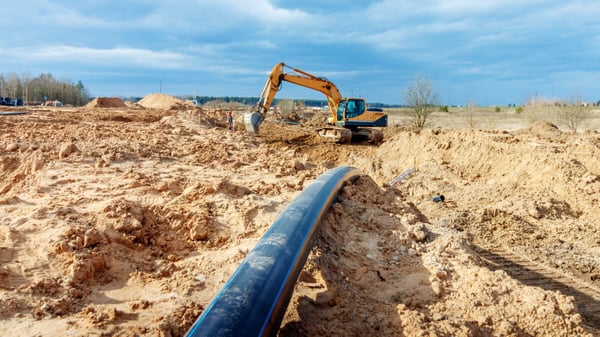 Famagusta Approves €17.7M For 2027 Flood, Sewerage And Smart Meter Projects
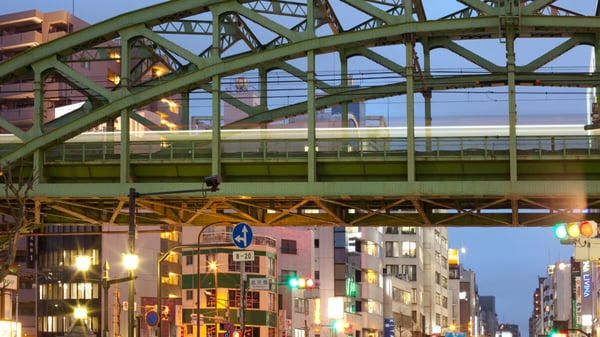 Chiyoda City Installs 22 Forcetec SmaGO Solar Compacting Bins In Akihabara
Smart City Expo USA 2025
Urban Planning in Times of Smart City Technology and AI with Ivan Shumkov from Columbia University
📖 Read Video Transcript
Smart cities technology impacts urban planning in multiple ways.
If you think about it, they impact in the different phases of a design and life of a city.
They impact in the phase of designing a city by understanding what is there, what are the people's needs, what is the current situation when we start designing a city?
They impact during the construction process and the actual building of the city.
But most importantly, they also impact during the management process of the city and the life of the city.
You know, it takes some time to build the city, but it also takes much longer to live in this cities.
Today we have a huge focus on on digital twins.
A lot of cities around the world are catching up with digital twins.
You know, as you may know, Barcelona, New York, Boston, London, pretty much every city is trying to create the digital twin.
Digital twins can help cities in multiple ways.
They help cities in the design phase.
But also, you know, they help us predict what would happen if we made certain changes in a city.
So for us, like urban planners or designers, it is really important to work with digital twins because we can estimate the impact of certain changes, certain designs before they get implemented.
But one of the challenges that we planners and designers have is to prioritize where to invest, our resources, our times, our teams, our budgets.
And therefore, with the digital twin, we can actually measure what the impact of certain actions or certain project would be in the short medium, in the long term, and therefore make an educated guess and better decision how to work, what to work, and so on.
Artificial intelligence has a huge impact on urban planning and it will have even bigger.
It’s just in the beginning.
We're just in the beginning phase of using AI in cities.
And I think what it helps us is to actually process all that data while AI actually helps us collect that data and process it, and then helps us make those decisions in a better way by really going in-depth in understanding that information.
Another way that AI helps us is also with designing cities.
It can actually tell us what is needed, where, how the different systems interact within the city and how the different areas of the city perform.
And therefore it can create some really good suggestions of where we should be working, how we should be working, and where to invest our resources and time.
So at Columbia University, we have multiple departments, one of them where I teach is architecture and urban design program.
And so we have a collective of professors who are all concerned with resilience, sustainability.
We have, actually a center that's addressing those topics.
I myself, teach a course about the future of cities.
So we are kind of trying to understand what are the potential scenarios for future cities and what is the best thing that could happen in the city, and make sure that we direct planners, designers and urban leaders and developers to doing the right things.
And building the right way.
So our research is geared in actually creating those tools, creating those processes and methodologies, and making it available for professionals and for people to build cities better.
Latest Kurrantly News
All news
UKRI Opens £15M Competition To Scale Interoperable Bidirectional EV Charging
Galapagar Awards Veolia 15-Year Energy-Services Contract Covering 4,500 Streetlights
Smart-Bin Billing Dispute in Florence Area Heads to Italy’s Court of Auditors and ARERA
Signify Adds Smart Faults To Interact To Correlate Outdoor Lighting Network Anomalies
Famagusta Approves €17.7M For 2027 Flood, Sewerage And Smart Meter Projects
Chiyoda City Installs 22 Forcetec SmaGO Solar Compacting Bins In Akihabara
Latest Kurrant Originals
See all

Kurrant advisory
Planning a smart city or utility project? Talk to Kurrant.
Behind these interviews is Kurrant's advisory team, working with utilities, cities and the companies that serve them.
- Strategy AdvisoryKurrant is actively involved in resolving the challenges that cities, utilities and industry players are facing.
- M&A AdvisorySmart city and utility expertise for successful deals, turning insights into strategic gains.
- Engineering & ProcurementBetter engineering and procurement decisions, by identifying and developing digital and IoT solutions across use cases.
Or write to us: contact@kurrant.com
Send us a message
© Kurrant. All Rights Reserved. · Editorial Standards · Cookie settings
This site is protected by reCAPTCHA and the Google Privacy Policy and Terms of Service apply.