in Barcelona
 3 to 5 Nov 2026
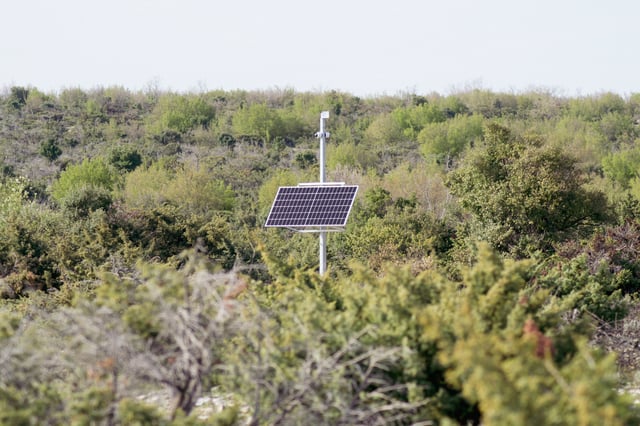
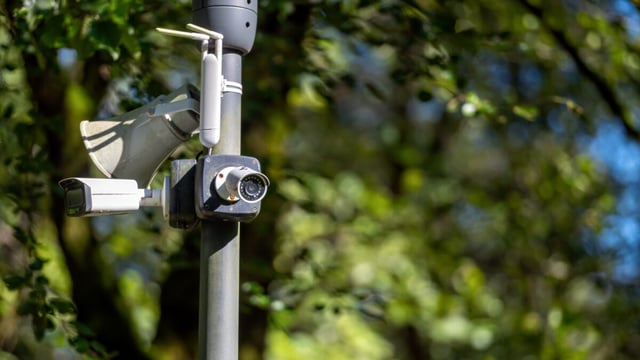
The Belgian Data Protection Authority (DPA) has reprimanded the city of Antwerp for unlawfully recording public conversations as part of a noise pollution monitoring initiative. In 2022, Antwerp installed 30 sound sensors in its student district to address noise issues. The sensors captured environmental sounds 24/7, saving raw audio clips and creating voice prints to train an AI model for sound classification.
However, the DPA found the program violated the General Data Protection Regulation (GDPR), as voice prints are considered sensitive data and require a legal basis for processing. Inspectors also noted a lack of transparency, with recorded conversations contradicting the city’s assurances. Additionally, voice prints were stored unencrypted in Google Cloud, raising further privacy concerns.
The DPA highlighted that Antwerp ignored advice from its data protection officer, who had flagged potential risks. As a result, the city must delete all voice prints and audio recordings containing voices. The authority emphasized the need for proper regulation and risk mitigation in technological projects to ensure compliance with data protection laws.