in Barcelona
 3 to 5 Nov 2026
EDF said on 19 November 2026 that it has signed an agreement to acquire Luxion Group, the Hampshire-based owner of Utilita Energy, a British supplier that specialises in smart pay-as-you-go electricity and gas. EDF’s announcement puts completion in early 2027, subject to regulatory approvals, and says the combined retail business would serve more than six million customer accounts.
Luxion also owns Procode, a software developer that builds data and energy portfolio platforms, and Canary Care, a home sensor monitoring service for older people living independently. Until completion, the businesses continue to operate separately.
Why EDF Wants A Smart Prepay Supplier
EDF serves about five million UK customers and has said it wants to grow that business. Simone Rossi, chief executive of EDF in the UK, called the deal “a significant step in our ambition to grow EDF’s UK customer business.”
Considering a deal like this?
Kurrant advises buyers, sellers and investors in smart city and utility technology, from target search to closing.
- Heyliot sale to BH Technologies
- Engie: Flashnet sale to Lucy Group
- Birdz (Veolia) business carve-out
The two companies already work closely together. EDF has been Utilita’s exclusive provider of wholesale market services since August 2024, and about 47,000 of Utilita’s credit customers moved to EDF in November 2025 so that Utilita could concentrate on smart prepayment.
On 5 May 2026 the partnership was extended to batteries at Utilita’s business customers. EDF manages those batteries to cut peak-time costs and to bid them into national and local flexibility markets, using PowerShift, its virtual power plant. EDF says it is the largest battery optimiser in Great Britain, with 1.8 GW under management.
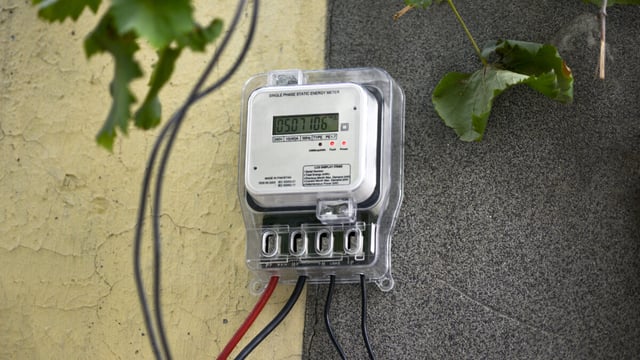
Smart meters that report automatically are a precondition for time-of-use tariffs and for paying households to shift demand, the services that a virtual power plant sells into flexibility markets.
How Well Utilita’s Smart Meters Communicate
Utilita has about 1.3 million residential and commercial accounts and about 1,500 employees, according to EDF. More than 95% of Utilita customers have a smart meter installed.
Installation is only half of the measure. Ofgem’s supplier performance data shows that 92.3% of Utilita’s smart meters were operating in smart mode on 30 June 2026, down from 94.4% at the end of 2024. EDF’s own fleet stood at the same 92.3%, up from 87.9% two years earlier.
A meter that drops off the network keeps measuring, but readings then have to be sent manually. For prepayment customers, who top up by app, online or by phone, a lost connection also affects how credit reaches the meter.
Across Great Britain, about 40.3 million smart meters were installed at the end of June 2026, of which about 3.1 million were running in traditional mode, according to the government’s quarterly smart meter statistics. Suppliers face growing pressure on those meters: as we reported in February, Ofgem introduced automatic £40 payments to customers when suppliers miss service standards for smart meters from 23 February 2026.
What Happens Next
The deal now goes through regulatory review, with completion due in early 2027. EDF says integration will be phased after completion.
EDF says Utilita is to keep operating from Hutwood Court near Southampton after completion, with about 600 of its 1,500 employees based there.