in Barcelona
 3 to 5 Nov 2026
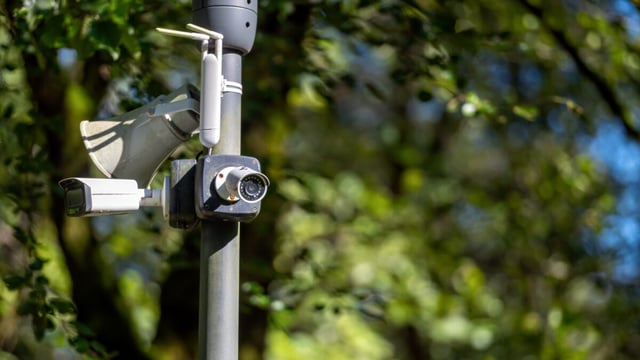
Hong Kong has introduced its first AI-driven traffic management system, marking a significant step in the city’s smart city transformation. The pilot phase, set to begin by year-end, will deploy 11 surveillance cameras across nine streets in Kwun Tong district. Funded with HK6.8million (€804,000) from the Innovation and Technology Bureau, the system aims to enhance real-time traffic data collection and flow management.
Developed in collaboration with the Hong Kong University of Science and Technology, the system replaces manual data collection with AI-enabled operations, improving efficiency and reducing reliance on manpower. It should detect accidents, adjust traffic lights, and analyze data to optimize traffic strategies. Real-time footage will help identify congestion causes, such as construction or parking, while AI simulations will suggest adjustments.
Privacy concerns have been addressed, with officials confirming the system lacks facial recognition capabilities and will delete footage after 28 days. The initiative follows other AI advancements in Hong Kong including drowning detection devices in public pools. If successful, the system could expand to other areas, further modernizing Hong Kong’s traffic management.