in Barcelona
 3 to 5 Nov 2026
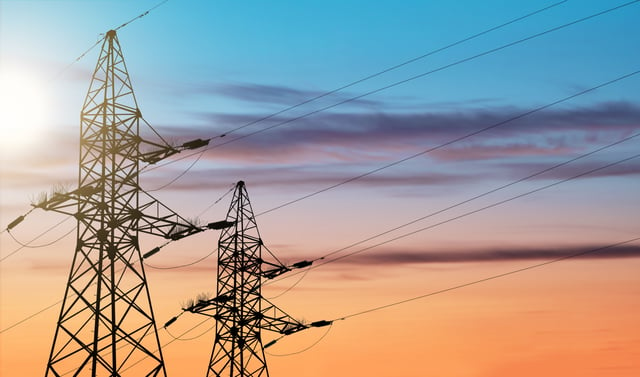
Southern California Edison (SCE) has launched the first private 5G field area network (FAN) for a U.S. utility, developed in partnership with Nokia. Leveraging Citizens Broadband Radio Service (CBRS) spectrum, the network aims to enhance connectivity and grid reliability through 5G radio access, IP/MPLS backbone integration, and cloud-native 5G core capabilities. Designed for utility-specific needs, it supports real-time monitoring, remote management, and data exchange across power lines, substations, and field devices.
IoT Networks · USA
SCE Launches First Private 5G Network for U.S. Utilities
From Kurrant







Live panel
 Making sense of city lighting data
How lighting standards drive unification and interoperability
Making sense of city lighting data
How lighting standards drive unification and interoperability

Making sense of city lighting data
How lighting standards drive unification and interoperability
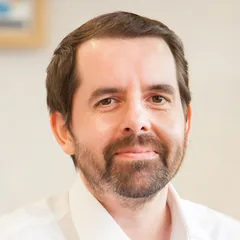 Jonathan CatchpoleChairman, Zhaga Technical Coordination Workgroup
 José SanchisChairman, TALQ Certification Workgroup
 Paul DrosihnGeneral Manager, DALI Alliance
 Emma Lozano DooganModerator, Kurrant
Wed 4 Nov13:30
Kurrant boothPavilion 3, Booth D151 · Barcelona
Add to calendar
Kurrant Tender Tracker
Never miss a smart city and utility tender
Start 3 months freeGet tender alerts
Related news

Latest news

Kurrant Originals
Recent event coverage

Featured Case Studies
Real client work behind the news. Strategy, M&A and engineering projects we've delivered for cities and utilities.