 in Barcelona
 3 to 5 Nov 2026
and somebody showed me the LoRa technology and they showed me this this this little device and they said this is like a Wi -Fi but it can connect up to 10 ,000 sensors and small devices in a range of 10 kilometers and the bandwidth used by this technology is very low, so these sensors and devices can last a long time on a battery. And I thought, let's build an internet out of this. Let's see if we can build a larger area where we cover this network with. In 2015, Wink Giesemann co-founded the Things Network after a successful string of entrepreneurial endeavors. The mission was to create a decentralized IoT network owned in... operated by the public. The Things Network has since evolved into the Things Industries, a global collaborative IoT ecosystem that creates networks, devices, and solutions using LoRaWAN. In this episode of Pass It On, Geisman shares his experience of building a company that depended upon public support to prosper. Actually, from the moment we started, we had people first. We had people that that are building this market, that are building the products, that are building the solutions, and they're actually going to drive this market forward, not the fancy IoT stories, not the fancy IoT conferences, not the hollow showcases that you see sometimes around the web. So we really understood it needs to be built with hard, hard work, and then you have to put people first. A pilot project in Amsterdam demonstrated the Thing's network potential. In just six weeks, Giesemann and his team set up a use case that involved a device that tracked leaks in boats. Alerts from a device placed in the boat used the network to send an SMS alert to a maintenance company. Giesemann set up 10 gateways throughout Amsterdam, and it required companies and the city to put these devices on their properties. Giesemann set up 10 gateways. went viral in the tech scene, leading Giesemann and his team to build a platform where people could create their own network under their brand. We got a little feedback from them, namely that the equipment available at that time to install it and hook it up to our network was technically pretty hard. As we sometimes joke during the keynotes of our big global conferences, we said that the journey of IoT is a grave. yard of failed proof of concepts and you really have to be able to stand through all this feedback and to be able to learn this in a quite harsh way. Upon realizing that this equipment was just too expensive, Geisman and his team set out to develop a plug-and-play gateway and development devices. And to fund this hardware, they turned to a Kickstarter campaign. And through the risk exposure that... that project gave, we learned a massive amount of lessons. If a thousand people each pledge $300 for something they believe in, you know, you're probably on the right way. The Kickstarter ended with over 900 backers and nearly $300 ,000 raised. And this campaign instantly scaled the Things Network internationally, as the backers received the equipment and instantly began to test their use of the equipment. cases. The next challenge was how to maintain this growth. Giesemann and his team founded the Things Industries which now funds the Things Network. The Things Industries provides an enterprise-grade network server known as a Things Stack along with hosting and support. Now the founders say that the Things Industries is a perfect place for businesses to receive more advanced solutions and features, but the Things Network is a perfect place for developers. to test their prototypes and proof of concepts. It's an interesting business model and one that required a talented team. Building a strong IOT team is hard, and it's hard because an IOT solution is built out of very different components. So you have to have the hardware, you have to have the network, you have to have the cloud, you have to have someone on the team that's able to sell it and create market adoption. And the most fun that we have from this... is that therefore we have an immensely diverse team. A team that can't work any more than 40 hours a week. One of the reflexes of smart and high performance people is that if they have a hard problem, they have hard times, they start to work harder. This is a problem, right? If you have hard times, you have hard problems, you have to work smarter, not harder, because you're gonna wear yourself out. We have very strict policies in our company that nobody's allowed to work more than 40 hours. more work to be done we hire more people and we have a very strong culture where we truly believe in such a market where we serve so many customers we have to build a company that has people first that build awesome product to do good business and that is a pattern that we're trying to implement across our entire company and this really makes an IOT company resilient but also durable to be successful on the long term. It's now been six years since that first use case took off in Amsterdam. Things Industries Network has grown to 30,000 gateways, almost 40 ,000 developers on the platform and 800 ,000 devices registered. This is somebody who made a bike tracker in Utrecht, connecting cows in the Netherlands. My biggest advice to anybody that wants to start with IET is really start small. The risk of the entire project is massive. If you cut that up in pieces and you're making sure you partner with the right companies, you will get there. Also, don't take on a big project at once. There's actually research by McKinsey that shows that companies that are in IoT that are actually doing many different medium-sized IoT projects and products. are way more successful than the ones that are doing only a few very big ones. So really, really be aware of the risk that comes with IoT. Pick the right partners, pick the right platforms, and also make sure that you pick where you are good at. Where do you want to excel? Do that yourself, build up IP, build up a competence there, but make sure that you partner with the right companies and the right platforms to make you that can support you in the basics of these IoT solutions. If you have a question or a comment for Geisman, be sure to hit the button below and we'll get your answers. And for more stories like this, be sure to stick with Current Insights.
Lessons From Building a Global IoT Ecosystem
ConnectivityIndustry leadersLoRaWAN
In this video
-
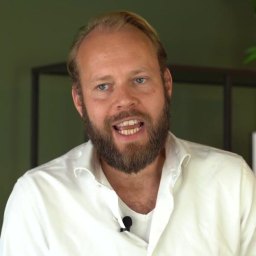 Wienke Giezeman
CEO & Co-Founder, The Things Industries
About this video
In this episode of "Pass It On," Wienke Giezeman, the Co-Founder of The Things Industries, delves into the intricacies of launching a successful company within the Internet of Things (IoT) domain. He shares a wealth of insights and secrets garnered from his extensive experience in the field, particularly emphasizing his personal journey in establishing a global LoRaWAN network. This network, which Giezeman helped to build, now boasts a presence in over 150 countries. Over time, it has evolved into a more comprehensive and expansive global IoT ecosystem, widely recognized as The Things Industries. Through his narrative, he sheds light on the challenges, milestones, and strategies that define the journey of creating a significant impact in the IoT sector.
Read the transcript machine-generated
More from Industry leaders
See all 1:12
Paolo Nesi: Wi-Fi Vs. Cameras for People Counting
 2:39
Syliva Haack on urban resilience related to water infrastructure
 1:48
João Matos Discusses the Challenges of Wildfire Detection
 2:08
Mark Dancy on the effectiveness of a pay-as-you-throw program
 5:20
Ubiik CTO on Diversifying IoT Connectivity Technologies
 5:34
Keys to Success in Mobility and Smart City with Gianluca Longo
Latest news
All news- Bryan Texas Utilities To Replace 50,000 Smart Meters Over Five Years29 Oct 2026
- UK National Parks Launch Wildfire Resilience Programme In Cairngorms29 Oct 2026
- Ameresco Completes $5.9M Water Metering Upgrade Covering 8,000 Meters In Mustang, Oklahoma29 Oct 2026
- Victoria Adds 11 AI Bushfire Cameras To Seven-Unit Plantation Network In A$3.8M Programme29 Oct 2026
Kurrant advisory
Planning a smart city or utility project? Talk to Kurrant.
Behind these interviews is Kurrant's advisory team, working with utilities, cities and the companies that serve them.
- Strategy AdvisoryKurrant is actively involved in resolving the challenges that cities, utilities and industry players are facing.
- M&A AdvisorySmart city and utility expertise for successful deals, turning insights into strategic gains.
- Engineering & ProcurementBetter engineering and procurement decisions, by identifying and developing digital and IoT solutions across use cases.
Or write to us: contact@kurrant.com
Send us a message