 in Barcelona
 3 to 5 Nov 2026
in Europe it's easier because the cities are more near one of the others so it's needed to have communications from one side or the other we don't have 100 kilometers in one way without having a city so with 100 kilometers I can put four systems and then I have a municipality and I have internet and I have a way to have to install communications. In the United States it's not well the same when we may have 1000 kilometers of forest and without any system, without any city or without any municipality. So I think the United States the bigger problem is the distances. I've been there when we won the prize of IBM. I've been there one year. I talked with a lot of people. I know that the United States are investing a lot in satellites, but it's not, in my side of view, it's not also the best way, because the satellites, they are very cost, they are very expensive, and the efficiency is not very good, because if you have clouds, you don't detect anything, you don't see. But also, the time for detection and the sound. of the detection, it's very big. While our system can detect a smoke with less than five meters sight, with a satellite maybe you can have a detection with 500 meters.
Originals Industry leaders Environmental Monitoring
João Matos Discusses the Challenges of Wildfire Detection
AI & Computer VisionEnvironmental MonitoringIndustry leadersWildfire monitoring
In this video
-
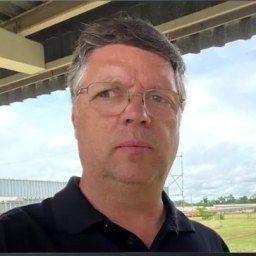 João Matos
Business Director, Future Compta
About this video
In the latest episode of "Coffee Talk," João Matos, a representative from FUTURE COMPTA, delves into the complexities and challenges of wildfire detection. He specifically contrasts the situations in the United States and Europe, examining the factors that make wildfire detection notably more challenging in the U.S. context. Matos explores the differences in geographical landscapes, climate variations, and the availability of technological resources in both regions, offering insights into how these factors cumulatively contribute to the difficulty of detecting wildfires effectively in the United States as compared to European countries.
Read the transcript machine-generated
More from Industry leaders
See all 1:12
Paolo Nesi: Wi-Fi Vs. Cameras for People Counting
 2:39
Syliva Haack on urban resilience related to water infrastructure
 2:08
Mark Dancy on the effectiveness of a pay-as-you-throw program
 5:20
Ubiik CTO on Diversifying IoT Connectivity Technologies
 5:34
Keys to Success in Mobility and Smart City with Gianluca Longo
 7:42
VC Fund: B2B Companies Offer Smart City Perks
More in Environmental Monitoring
See all 5:17
The Smart Tech Monitoring, Preventing Flooding
 5:57
Nature as a Sensor: Rethinking Smart Cities, Utilities
 4:54
High-resolution, Predictive Weather Data: The Next Step for Mobility
 4:32
How AI-Powered Satellite Data, Can Increase Sustainability at Major Events like Olympics
 4:44
Inside the Smart Tech That Predicts Volcanic Unrest
 5:31
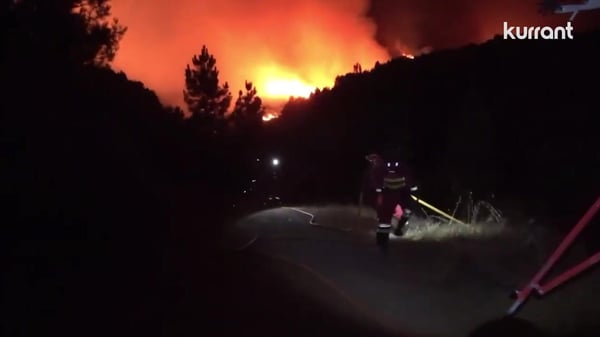
Preventing Wildfires, from Grazing to AI
Latest news in environmental monitoring
All news- UK National Parks Launch Wildfire Resilience Programme In Cairngorms29 Oct 2026
- Victoria Adds 11 AI Bushfire Cameras To Seven-Unit Plantation Network In A$3.8M Programme29 Oct 2026
- Korea National Park Service Builds Bandal Lens AI To Identify 17 Mammal Species From 1,300 Cameras20 Oct 2026
- UK Space Agency Opens £2M Satellite Grant Call For Environmental Intelligence And Emissions Monitoring20 Oct 2026
Kurrant advisory
Planning a environmental monitoring project? Talk to Kurrant.
Behind these interviews is Kurrant's advisory team, working with utilities, cities and the companies that serve them.
- Strategy AdvisoryKurrant is actively involved in resolving the challenges that cities, utilities and industry players are facing.
- M&A AdvisorySmart city and utility expertise for successful deals, turning insights into strategic gains.
- Engineering & ProcurementBetter engineering and procurement decisions, by identifying and developing digital and IoT solutions across use cases.
Or write to us: contact@kurrant.com
Send us a message