 in Barcelona
 3 to 5 Nov 2026
This is Denver, Colorado, one of the top testing grounds for V2X in the United States. This is the technology that enables cars to send and receive messages within their surrounding environments. As you might recall from our previous story, there are two communication standards that will allow for this technology to function. Dedicated Short Range Communication or Cellular V2X. and there's a fierce debate over which we'll leave. For today's demonstrations, we're using this Ford F-150, which is equipped with cellular V2X or CV2X technology. In 2018, Denver became the United States' first test site for cellular V2X, adding to the test already underway using DSRC. But now, three years later... The percentage of cars that are on the market right now that have overused and received that message is extremely small. CV2X is not gonna work. Until there is a certain adoption rate, if you will, a certain amount of cars and infrastructure all need to be supporting it for it to really become meaningful. But cities are still laying the groundwork for what's next. One of our biggest lessons learned is how to cut through that hype and get right to a device that works. Michael Finocchio is an engineering manager within Denver's Department of Transportation and Infrastructure. He's currently in charge of the city and county's implementation of an intelligent transport system, or more simply termed ITS. ITS consists of data collection and analysis from IoT devices that data is then used to enhance traffic operations and management. Denver dedicated $12 million to this initiative in 2018, half of which came from a federal grant in 2016. So far, that's led to the implementation of video cameras. cameras, CCTV, weather sensors, traffic sensors, ramp meters, and more. All deployed across the city and all connected to a citywide fiber network. So Denver is in a unique position where transportation runs their own network, which is separate from the enterprise network. And that allows us to be a little more experimental. V2X is seen as the pinnacle of what ITS can do. But you need many. any connected applications to get there. So one of our use cases is connected ped. And what we're looking at is detecting pedestrians in the crosswalk, in the landing, and at certain different angles that we can add a safety factor to. So we pick them up with various detection cameras and devices, and then we tie that back into the controller and then the controller sends the information out to um the rsu and obu so that that information can be sent to a vehicle but in order for that to work well first we have to be pretty confident that we can pick up a pedestrian in the crosswalk you know what you know what what level of confidence do we need for that not exactly sure and there there is an industry standard around it yet the city turned to edge cameras developed by bull older AI deploying over 30 cameras since 2020. One of our abilities is to be able to train that camera as if it's being trained for that particular viewpoint. We call that hyper-localized training. And it's a big differentiator. And just in the city of Denver, we went head to head with seven other camera vendors. And the baseline accuracy was about 80%. percent we got to 99 .8 percent accuracy at detecting pedestrians in the intersection by hyper localizing that training ideally denver would communicate those messages using v2x to cars on the roads but since that technology isn't widely adopted it needs a backup so what we're doing is we're supplementing that with traditional its equipment so blank out signs that'll come on and warn motorists that there's a vehicle in the roadway in front of them and in order to do that we've got to take that message back to the controller and send it to the roadside unit at the same time and then the blank out sign is equipped with an obu as well and what that tells us is yes under this system we've got two ways to communicate with vehicles it's all possible because of consignias 2x solution, which doesn't only consist of on board and roadside units, but also a very robust platform that is able to use the data, process the data and conclude the consequences and deal with that data. Denver integrated that platform into its traffic signals and controllers. And the reason for that is that's where we can actually take action. by modifying signal timing or certain outputs from the cabinet. It's hard to tell when V2X could become a reality on Denver roads. Research finds that there were just 0 .7 million V2X capable cars in 2020. That number is expected to grow to 35 million by 2025. The FCC's decision to prioritize CV2X as a communications standard over DSRC could contribute to that boom. since some say it brings a level of certainty to the market. But for Denver? This was a little bit of a setback to go to CB2X, just because, well, because we're not as familiar with it, and we're not as familiar with the standards. So the decision was made just to go with the dual units. So we're going to continue to build out with DSRC, and then we're going to start to demo the CB2X. So we'll make sure that the use cases work. with what we're familiar with and then we'll work on a transition plan to cv2x those dual units refer to consignia's onboard and roadside units which are capable of both dsrc and cv2x connectivity we wouldn't even expect to have to change the ip address of the units so to integrate in with our network really seamlessly so the data exchange should be the same what changes is the communication dynamic between the vehicle and the roadside unit itself. Denver will continue to test all of its use cases over the next two to three years before releasing its findings. Other use cases include priority signal for snow plows. They install on -board units, OBUs, into snow plows and making these vehicles be able to request green lights when they are just moving around the city. And this is... making their whole travel much easier and more efficient. The city is also working on priority treatment for buses. Just another use case that showcases how the city is continuously collecting data on its operations. But the challenge with that, you know, there's too much data out there right now. So what we're looking for is ways to smooth that data out into just give us like heads up alarms in our Traffic Management Center. Denver's at work. on a smart city platform with West Corporation, which will unify all of this silo data into actionable insights with historical analysis. You know, we have over 600, about 660 traffic monitoring cameras, and just a handful of staff to watch those. In order to be a little more proactive about what's going on, that's where that data and all those disparate data sets come in. For more coverage on how that platform unfolds and how it will help V2X take shape, be sure to stick with Current Insights and if you have a question or comments on this story, be sure to hit the button below.
How the City of Denver’s Gearing Up for V2X
In this video
-
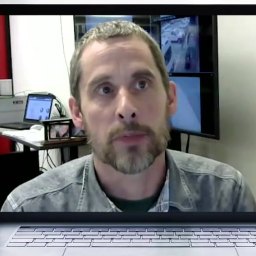 Michael Finochio
Engineering Manager, City of Denver
-
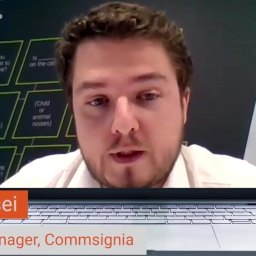 Máté Lipcsei
Smart City Manager, Commsignia
- Mark Murray VP Sales, Quectel Wireless Solutions
- Jarrett Wendt Former Executive VP, Citynow Panasonic
- Darren Odom CTO, Sighthound
About this video
This video delves into Denver, Colorado's ambitious journey in adopting Vehicle-to-Everything (V2X) technology, marking it as one of the leading testing grounds for this innovative approach in the United States. Since 2018, the city has invested $12 million into developing an intelligent transit system, aiming to enable seamless communication between cars and all elements of the road infrastructure.
Michael Finochio, Engineering Manager at the City and County of Denver, provides a comprehensive overview of the project. He discusses the vision behind Denver's investment in V2X technology and its significance in enhancing road safety, reducing traffic congestion, and improving overall transportation efficiency. Finochio addresses the challenges that have hindered the full-scale implementation of this technology. His insights help viewers understand the complexities involved in integrating such advanced systems into existing urban landscapes.
The video also features discussions with with Mate Lipcsei Smart City Manager at Commsignia, Mark Murray VP Sales at Quectel Wireless Solutions, Jarrett Wendt, Former Executive VP, Citynow Panasonic, Darren Odom CTO at Sighthound. These interviews shed light on the technical aspects of V2X technology and the roles these companies play in its deployment.
Additionally, the video explores the real-world impact of this technology, including potential improvements in traffic management and emergency response times. The importance of collaboration between the city and technology providers is emphasized, showcasing how public-private partnerships are crucial in advancing smart city initiatives.
This video is recommended for professionals and students in the fields of urban planning, transportation engineering, and smart city technology. It offers valuable insights into the practical challenges and solutions associated with implementing V2X technology in a major city. Furthermore, technology enthusiasts and policymakers interested in the future of urban transportation and intelligent transit systems will find this content informative and inspiring. The video provides a clear understanding of how cities like Denver are leading the way in transforming urban mobility through technological innovation.
Read the transcript machine-generated
More in Mobility
See all 4:11
From Cameras to Insights: VisionAI Transforms Motorway Operations
 6:29
VisionAI Helps Boost Security During 2024 Olympic Games
 8:19
Curbing Noise Pollution with AI-Enabled Solution
 7:29
Brussels’ Smart City Strategy – Part 2
 7:59
Smart Parking Landscape Changes with New Players, Enforcement
 8:13
Mobility Data: New Paradigm for Smart Cities
Latest news in mobility
All news- Abertis Opens €40,000 Safe Road Operations Challenge To Protect Road Workers10 Nov 2026
- Modaxo Acquires Brazilian Traffic And Tolling Supplier Fiscaltech8 Nov 2026
- Landkreis Hof Opens TauSENSE App To Public Using Data From 130 Road Dew-Point Sensors8 Nov 2026
- Valdepeñas Approves €225,523 Credit For €1.5M Red.es-Funded Smart Territory Project8 Nov 2026
Kurrant advisory
Planning a mobility project? Talk to Kurrant.
Behind these interviews is Kurrant's advisory team, working with utilities, cities and the companies that serve them.
- Strategy AdvisoryKurrant is actively involved in resolving the challenges that cities, utilities and industry players are facing.
- M&A AdvisorySmart city and utility expertise for successful deals, turning insights into strategic gains.
- Engineering & ProcurementBetter engineering and procurement decisions, by identifying and developing digital and IoT solutions across use cases.
Or write to us: contact@kurrant.com
Send us a message