 in Barcelona
 3 to 5 Nov 2026
← Back to all events
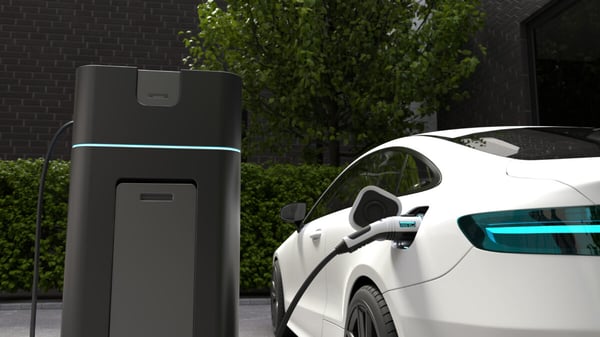 UKRI Opens £15M Competition To Scale Interoperable Bidirectional EV Charging
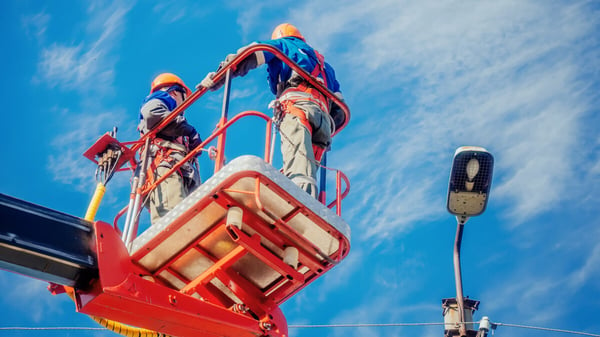 Galapagar Awards Veolia 15-Year Energy-Services Contract Covering 4,500 Streetlights
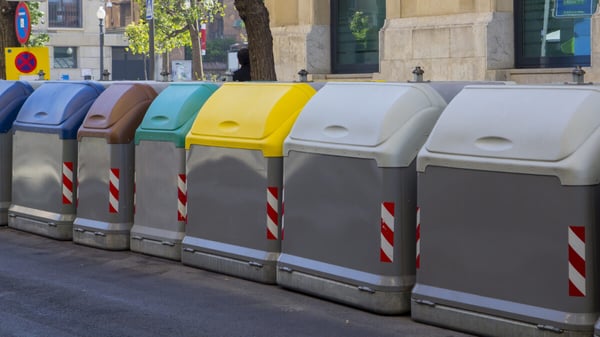 Smart-Bin Billing Dispute in Florence Area Heads to Italy’s Court of Auditors and ARERA
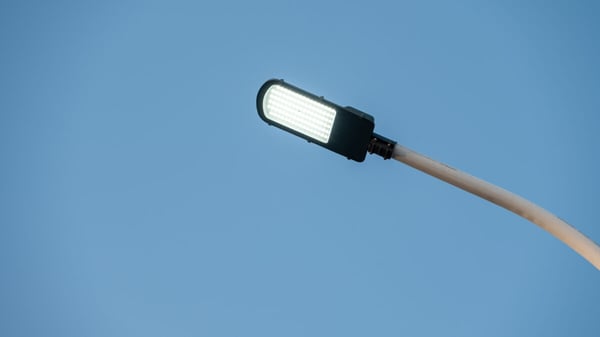 Signify Adds Smart Faults To Interact To Correlate Outdoor Lighting Network Anomalies
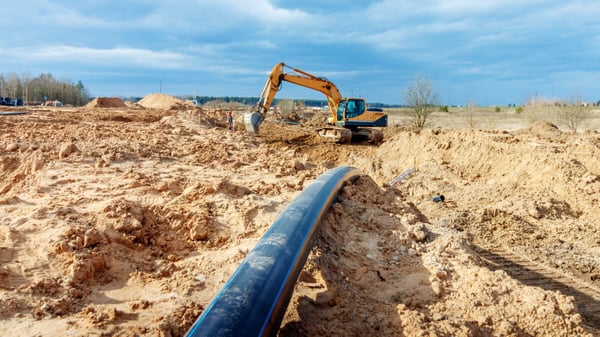 Famagusta Approves €17.7M For 2027 Flood, Sewerage And Smart Meter Projects
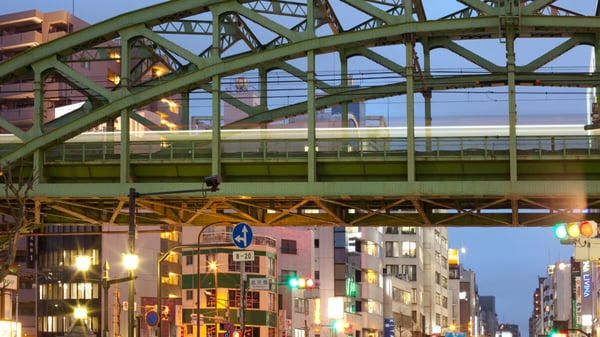 Chiyoda City Installs 22 Forcetec SmaGO Solar Compacting Bins In Akihabara
IFAT
Watch our IFAT2024 coverage for insights into the latest solutions in water, sewage, waste, and raw materials management.
Future-Proofing Urban Infrastructure with Smart Water Solutions
📖 Read Video Transcript
Day two at IFAT 2024 here in Munich, a day in which we saw the event really kicking off, with a lot more people in attendance and we saw once again many pipes, valves and pumps...
We didn't, however, see many smart and digital solution providers, so we went to find the few companies that do offer these kinds of solutions, to discuss the role of smart water in the smart city industry.
With water scarcity and energy scarcity, we are looking more and more to control also the water cycle.
And so we are looking also to our colleagues from the energy part, for instance, which are much more into this topic already.
Now we are going in this direction of monitoring the water consumption in households, controlling water leakages in the networks, for instance, or also predicting water consumption.
If you know more about water consumption and water usage, then you can adapt your production, your distribution and your usage.
And that's why it's quite important for the future.
What I see in the market is that utilities and cities start with the water use case.
They start with the use case ‘how can I digitize my water network?
And how can I digitize the water billing use case?’ And then on top of that they build smart city use cases because they build the smart infrastructure for only the water use case, and then they see we can, not only connect smart water meters to our new built infrastructure, but we can also connect other sensors like level sensors or parking sensors or CO2 sensors to the same gateways to the same infrastructure, and get additional value out of that, for the smart city use cases.
The water industry went from communication protocols that were only brand by brand and did the switch to open standards, we introduced open metering standard and now we have other protocols like Lorawan, or MIoT additional in our systems.
And those protocols can be used for other use cases.
Buried infrastructure is typically a city's most valuable asset.
So the pipelines below your streets.
New technologies are able to provide information about the condition of those pipelines so that they can repair them at the right time, finding the right location, and make their investment in the asset go further.
So through condition assessment you can find the problem pipes, you can make the repairs and you can, extend the asset life indefinitely through that approach.
We don't want to make additional expenses.
We want to preserve and also act like doctors in the network.
Smart water is giving us that.
We can have a digital twin, we have a model and find out the leaks or any other kind of information that is crucial for the operation of the network before this happens.
Everybody has seen once in their lifetime passing through a city, and you see a spike of water coming out of the ground, which creates a big fuss, which creates problems, which stops traffics...
With smart water we are able to lower this pressure and we are able to provide better operation in the network.
We can avoid these kind of accidents happening.
We can be pragmatic, reactive.
We can replace a pipe in the network before it breaks up and create this kind of problem.
So especially smart water is what is keeping the city running under control and providing, of course, water to everybody with good quality and good quantity.
After talking to vendors at IFAT, it seems like the role of smart water in a smart city hasn't changed in the last years, except for the emphasis that is put on saving energy, which is linked to the increase in its price.
Having smart solutions on water networks is still expected to help utilities save resources and money by finding issues like leaks faster and with a higher precision, bringing down the cost of production, maintenance and repairs.
As for the synergy with other verticals, so far, it's still mostly about the smart meter communication network being the foundation for other smart city use cases.
About IFAT
Watch our IFAT2024 coverage for insights into the latest solutions in water, sewage, waste, and raw materials management.
Latest Kurrantly News
All news
UKRI Opens £15M Competition To Scale Interoperable Bidirectional EV Charging
Galapagar Awards Veolia 15-Year Energy-Services Contract Covering 4,500 Streetlights
Smart-Bin Billing Dispute in Florence Area Heads to Italy’s Court of Auditors and ARERA
Signify Adds Smart Faults To Interact To Correlate Outdoor Lighting Network Anomalies
Famagusta Approves €17.7M For 2027 Flood, Sewerage And Smart Meter Projects
Chiyoda City Installs 22 Forcetec SmaGO Solar Compacting Bins In Akihabara
Latest Kurrant Originals
See all

Kurrant advisory
Planning a smart city or utility project? Talk to Kurrant.
Behind these interviews is Kurrant's advisory team, working with utilities, cities and the companies that serve them.
- Strategy AdvisoryKurrant is actively involved in resolving the challenges that cities, utilities and industry players are facing.
- M&A AdvisorySmart city and utility expertise for successful deals, turning insights into strategic gains.
- Engineering & ProcurementBetter engineering and procurement decisions, by identifying and developing digital and IoT solutions across use cases.
Or write to us: contact@kurrant.com
Send us a message
© Kurrant. All Rights Reserved. · Editorial Standards · Cookie settings
This site is protected by reCAPTCHA and the Google Privacy Policy and Terms of Service apply.