 in Barcelona
 3 to 5 Nov 2026
← Back to all events
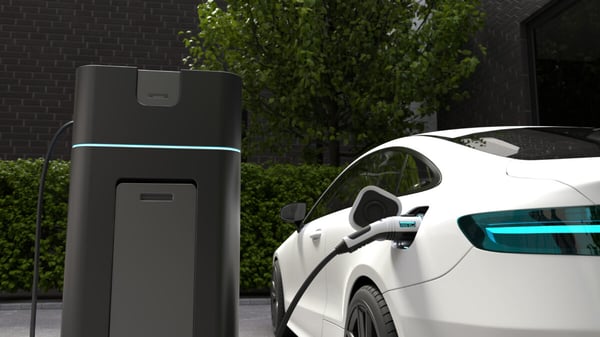 UKRI Opens £15M Competition To Scale Interoperable Bidirectional EV Charging
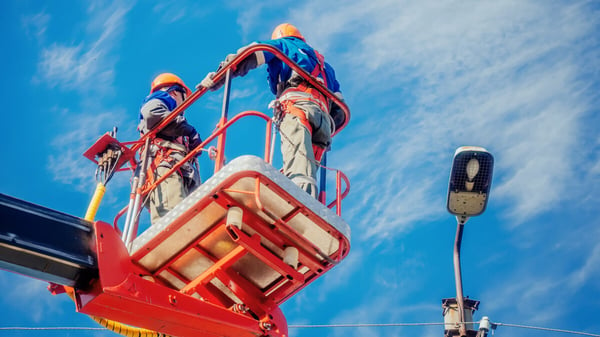 Galapagar Awards Veolia 15-Year Energy-Services Contract Covering 4,500 Streetlights
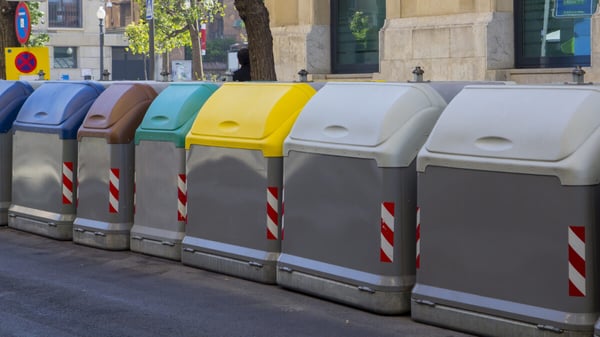 Smart-Bin Billing Dispute in Florence Area Heads to Italy’s Court of Auditors and ARERA
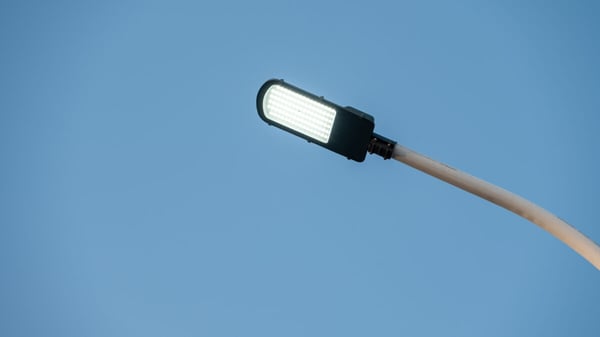 Signify Adds Smart Faults To Interact To Correlate Outdoor Lighting Network Anomalies
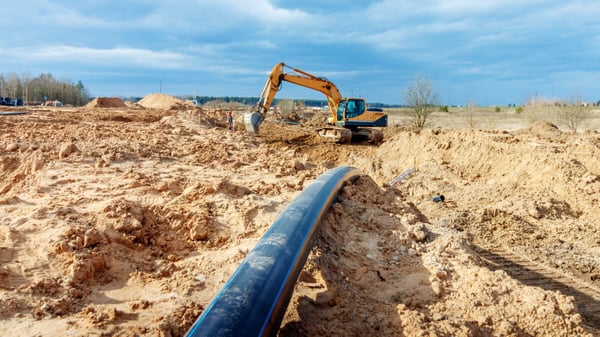 Famagusta Approves €17.7M For 2027 Flood, Sewerage And Smart Meter Projects
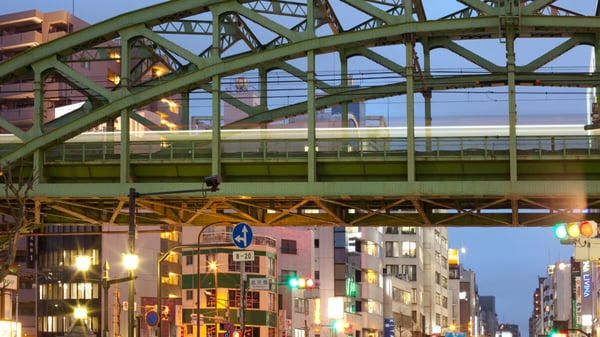 Chiyoda City Installs 22 Forcetec SmaGO Solar Compacting Bins In Akihabara
Smart City Expo USA 2025
What to Expect from Smart City Expo USA 2025
📖 Read Video Transcript
The Smart City Expo USA is in just over a month.
The spinoff of the global Smart City Expo World Congress will be holding its third edition in one of the greatest stages to discuss cities: New York city.
It will be the first time the young conference is able to take place in back-to-back years, as it has experienced some blows since its inception: the pandemic and flooding.
It will also be the first time we attend the event.
So to find out what to expect and discuss their startup program, we spoke with Aarti Tandon, CEO of the Smart City Expo USA.
Aarti, we know the Smart City Expo World Congress very well, but we haven't experienced the US spinoff yet.
What is the Smart City Expo USA like and how does it differ from the global event?
So a couple of things.
One, we're quite different in the fact that we're a lot smaller.
So you're not walking past four football fields of the most amazing technologies.
You're really, this is here to really engage in subject matter and to engage with our sponsors who are transforming cities, but it's very curated.
Number two, I would say that some of the people who are speaking just don't attend Barcelona.
Like we have Governor Shapiro, head of critical investments, who's overseeing a $22 billion portfolio for energy infrastructure and the Chief Infrastructure Officer for Michigan, the Chief Infrastructure Officer for Massachusetts.
These are people who are overseeing serious, serious budgets.
But the business is very American.
There is a deep desire for smart city technologies.
But that are very going to solve US issues.
So this could be a good way to enter the US market and show how smart technology can help cities face different challenges.
And speaking of challenges, I mean, challenges have become the new norm around the world with the pandemic, wildfires, floodings...
You've experienced some of them regarding your event.
So will there be any discussion around these topics and which will be the main one?
But all of that is actually shining a light on the importance of next gen technology.
Things like, we just had the fires in LA, we've had flooding in New York.
We've had so much happening.
We've had public safety issues.
All of this can be addressed through technologies, but just our cities aren't equipped with that.
And when we look around the world, we can we can learn from how people are dealing with heat, how people are dealing with cyber, how people are dealing with AI and water systems.
I mean, one of them is, AI, you can't talk about anything these days without speaking about AI, but really in a way that's AI for good.
AI in the public sector.
How can it create more efficient government?
And also what are the use cases in health and food?
I think that people are really, really trying to understand the impact and benefits of AI, and that is throughout the entire program.
The US will be hosting the 2028 Olympics and the 2026 World Cup.
And we've seen before, for example, with the Super Bowl in New Orleans, where they deployed AI enabled technology to monitor safety.
That in these types of cases, technology can always help.
So the US is bound to have a lot of interest in solutions that can monitor, for example, energy use or safety.
So this could be quite a big opportunity for smart city players.
No?
Yeah I mean, think about that.
From digital payments to privacy to cybersecurity to just basic infrastructure issues, there's so much.
All of the cities need to be smart in order to host these games.
And so we have seven of the heads of the World Cup cities coming.
Dallas, Houston, Kansas City, New York, New Jersey, Philly and San Francisco.
All of them are looking for next gen solutions to deploy in advance of these games.
In addition, we will have Kim LaGrue, the CIO of New Orleans, who successfully just hosted the Super Bowl.
We'll have Michael Sherwood and Brian O'Neill from Las Vegas.
Michael is now at Nvidia.
But when he was CIO, how they prepared the city for F1 and all the technology from emergency comms to fire and emergency, to fire resilience.
So there's so much to learn.
The event organizers are expecting around 1000 attendees and 100 exhibitors, some 20 of which will be startups.
To spotlight the role of emerging companies, the event has organized a competition. 18 startups will be able to pitch their solutions to a jury of city representatives and investors, who will pick a winner.
To find out about past experiences at the Smart City Expo USA, we spoke with startup InCitu to also discover the allure for a startup.
As a startup who has attended the event before, why did you choose to go back and what has it been like in terms of business and return on investment?
To share our progress, to see what's out there, other technologies and other innovators and new policies that are being promoted and deployed.
Mostly we always get very strong leads from those events, from the Smart City USA event, mostly with city agencies, a lot in New York, but not only in New York.
In other cities and other countries, sometimes.
And mostly strengthening the connections with innovators in the field, which again, I really see the value on that.
From our conversations, it seems like the Smart City Expo USA, despite being smaller, brings the same spirit as the Smart City Expo World Congress in terms of meeting interesting tech companies, startups, and a very curated city representative stream looking to make a difference through digital solutions.
But we won't find out what it is truly like until April, so stay tuned and make sure to follow our coverage of the upcoming event in the Big Apple.
Latest Kurrantly News
All news
UKRI Opens £15M Competition To Scale Interoperable Bidirectional EV Charging
Galapagar Awards Veolia 15-Year Energy-Services Contract Covering 4,500 Streetlights
Smart-Bin Billing Dispute in Florence Area Heads to Italy’s Court of Auditors and ARERA
Signify Adds Smart Faults To Interact To Correlate Outdoor Lighting Network Anomalies
Famagusta Approves €17.7M For 2027 Flood, Sewerage And Smart Meter Projects
Chiyoda City Installs 22 Forcetec SmaGO Solar Compacting Bins In Akihabara
Latest Kurrant Originals
See all
Kurrant advisory
Planning a smart city or utility project? Talk to Kurrant.
Behind these interviews is Kurrant's advisory team, working with utilities, cities and the companies that serve them.
- Strategy AdvisoryKurrant is actively involved in resolving the challenges that cities, utilities and industry players are facing.
- M&A AdvisorySmart city and utility expertise for successful deals, turning insights into strategic gains.
- Engineering & ProcurementBetter engineering and procurement decisions, by identifying and developing digital and IoT solutions across use cases.
Or write to us: contact@kurrant.com
Send us a message
© Kurrant. All Rights Reserved. · Editorial Standards · Cookie settings
This site is protected by reCAPTCHA and the Google Privacy Policy and Terms of Service apply.