in Barcelona
 3 to 5 Nov 2026
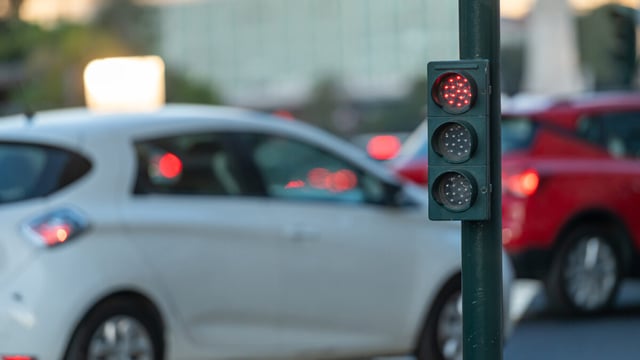
San Diego Police Department (SDPD) will install surveillance-equipped streetlights and automated license plate readers (ALPR) in Hillcrest and other areas ahead of the Pride festival. This initiative involves expanding the existing “Smart Streetlights” technology from 8 to 14 locations in Hillcrest.
SDPD has partnered with Ubicquia and Flock Safety for this five-year project, which includes 500 Smart Streetlight cameras integrated with ALPR technology. The system has already aided in solving nearly 120 investigations and recovering over $1 million in property since December 2023.
The initiative aims to protect against hate crimes and attacks on mass gatherings in Hillcrest, a central LGBTQ+ community area. However, the use of this technology has sparked privacy concerns among some residents and advocacy groups, leading to the formation of a privacy advisory board to oversee its implementation.
Despite mixed reactions, some residents appreciate the enhanced security measures. The technology does not employ facial recognition and is only accessed for investigative purposes. Video footage is deleted after 13 days, and ALPR data after 30 days, unless part of an ongoing investigation.