in Barcelona
 3 to 5 Nov 2026
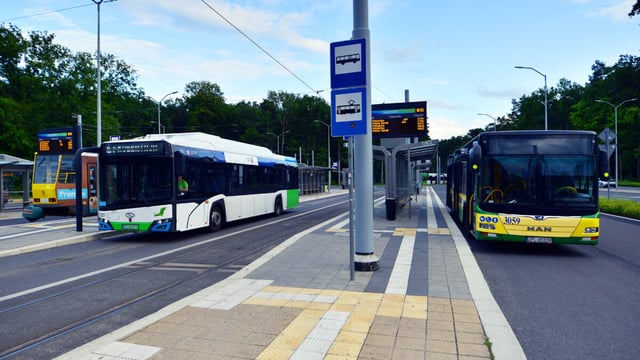
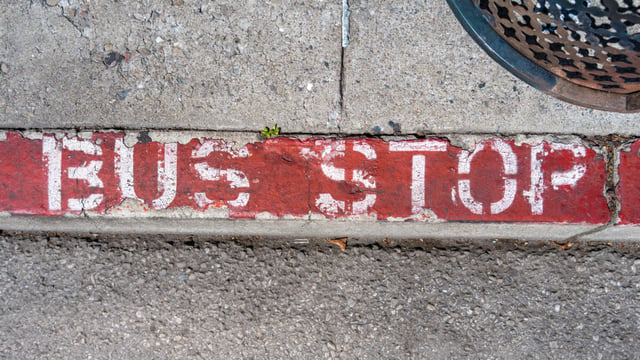
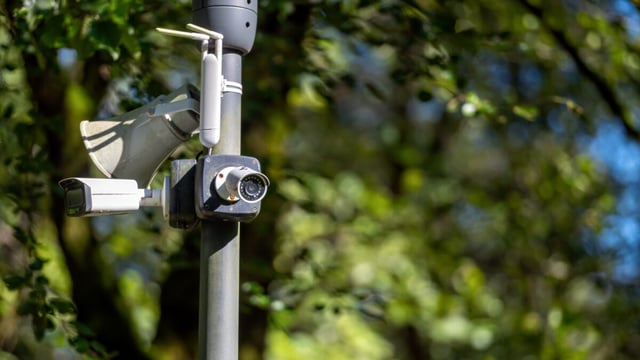
The Los Angeles City Council voted 13-1 on 21 October 2026 to authorise up to 50 automated enforcement cameras on buses in the DASH fleet of the Los Angeles Department of Transportation (LADOT), a three-year programme that would cost the city $3.43 million under a contract with Hayden AI. The first 30 cameras are due on downtown and Pico-Union routes from 1 November 2026, with a further 20 following after 27 January 2027, and drivers will receive warnings only for the first 60 days before a $293 fine applies to vehicles blocking bus lanes and bus stops, according to MyNewsLA and LA Magazine.
A Two-Phase Rollout Across Six DASH Corridors
Phase one places cameras on 30 buses covering the downtown DASH routes A, B, D, E and F plus the Pico-Union route, and the 60-day warning period that opens on 1 November runs to the end of December, so citations of $293 each would begin on 1 January 2027. Phase two adds 20 cameras on buses serving Crenshaw, Panorama City and Van Nuys, Watts, and Wilshire Center and Koreatown, after 27 January 2027.
The council vote covered a resolution designating the specific street segments as bus lanes together with LADOT’s updated automated licence plate reader use policy, and Councilmember John Lee cast the single vote against while Councilmember Eunisses Hernandez was absent.
Pilot Data: Four Violations Per Bus Per Hour
LADOT ran a 60-day pilot on DASH routes A and F and downtown stops, during which it recorded more than 2,400 violations at an average of four bus lane violations per bus per hour, including illegal stopping at bus stops. The department told the council that these violations slowed boarding and alighting, forced some operators to unload passengers in travel lanes and created delays, according to reporting by Streetsblog Los Angeles on the department’s memo in council file 21-1224.
A Contract Built On Metro’s Existing Hayden AI Agreement
LADOT plans to piggyback on an existing contract between Hayden AI and the Los Angeles County Metropolitan Transportation Authority (LA Metro) rather than run a separate procurement, covering the installation, operation, management and maintenance of up to 50 cameras for three years at a cost to the city of $3.43 million if the agreement is finalised. That works out to $68,600 per camera over the term, or about $22,867 per camera per year, with LADOT having worked with Hayden AI on the pilot that preceded the contract.
Hayden AI, a San Francisco company that supplies bus-mounted computer vision systems, already operates the camera enforcement programme on Metro buses and counts transit agencies in New York, Washington DC, Philadelphia, Chicago and the East Bay among its customers. Kurrantly has followed the earlier stages of the DASH plan in its September report on the 50-bus proposal, and the same vendor’s systems are in use on Philadelphia trolleys and in a Chicago Transit Authority pilot.
State Law Sets The Programme’s Legal Runway
The programme rests on California Assembly Bill 917 of 2021, which allows transit operators to enforce parking and stopping violations in bus lanes and at bus stops using forward-facing cameras, and whose authority expires on 1 January 2027. Assembly Bill 1837 was chaptered by the Secretary of State on 30 September 2026 as Chapter 900 of the Statutes of 2026 and extends that authority to 1 January 2034.
The extension removes the previously reported uncertainty surrounding the programme’s legal authority beyond January 2027, allowing the planned three-year contract to run through 2029.
Metro’s Programme As The Local Benchmark
Metro’s bus camera programme sent about 281,000 potential violations to the citation system between November 2024 and January 2026 and generated more than $21 million in gross revenue, according to LADOT figures reported by MyNewsLA. LADOT reported speed and reliability gains of 7 percent to 9.8 percent on Metro routes 212 and 720, citations fell about 33 percent after one year of operation, and about 77 percent of violators committed only one violation.
Streetsblog Los Angeles reported that Metro’s cameras issued about 146,000 tickets worth $42.8 million in fiscal year 2025-26, with calendar 2025 programme revenue of about $20 million, and revenue after expenses is split between Metro and the city under the existing arrangement. The DASH contract therefore enters a market where the same vendor, the same state authority and the same ticketing process already operate on the county’s largest bus network, which shortens the path from camera installation to the first mailed notice. Against that record, the DASH pilot rate of four violations per bus per hour across 30 downtown and Pico-Union buses gives LADOT a baseline to compare with the 33 percent citation decline Metro recorded after its first year.
Data Policy Is The Open Item
Councilmember Lee’s objection concerned the contractor’s access to city data and the scope of LADOT’s licence plate reader policy, and Councilmember Monica Rodriguez, who voted in favour, asked for data-sharing guardrails to be examined across all city departments. Metro’s one-year pattern, in which about 77 percent of violators offended only once, is the nearest reference for what DASH enforcement should show, and the first comparison point arrives when the 60-day warning period closes on 31 December and the $293 fine takes effect on 1 January 2027.