in Barcelona
 3 to 5 Nov 2026
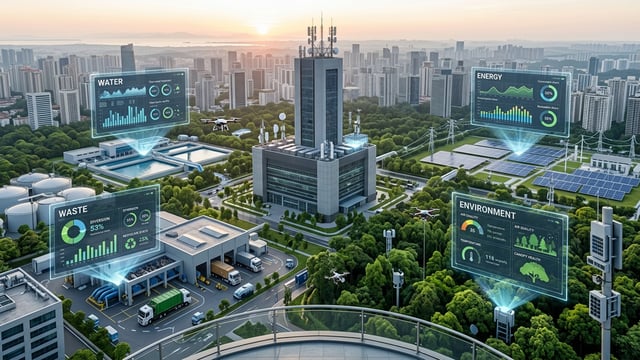
The Sicilian municipality of San Filippo del Mela has become the first in Italy to deploy an intelligent urban monitoring system, using the HG-Aura platform developed by the Messina‐based firm SmartMe. The system consists of optical and environmental sensors placed at strategic locations across the municipality to provide real-time traffic oversight, environment monitoring, and protection of sensitive zones.
In total, eleven sensor units will be installed: eight focused on the Floripotema stream to detect illegal dumping, hydrological risks or instabilities; two to monitor traffic near the highway junction; and one atmospheric station located in a busy commercial district. The sensors transmit data via low-power communications (LoRa and LTE) in compliance with privacy rules, with information visualized in a central control room using interactive maps and a semantic search engine.
The system incorporates agent-based AI, deep learning and large language model tools to detect anomalies, ranging from waste dumping to unauthorized access, and forecast potential events. A conversational interface allows operators to query the system using natural language, minimizing training demands.
SmartMe has already piloted similar systems overseas, including in New York, and is reportedly planning further deployments in smart city projects in the UK and Germany.
No public figure for the investment cost has been disclosed. The municipality (population ~6,700) sees this as part of its broader digital and environmental resilience initiatives.