in Barcelona
 3 to 5 Nov 2026
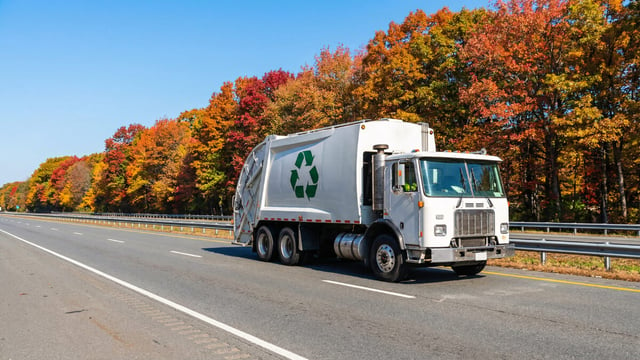
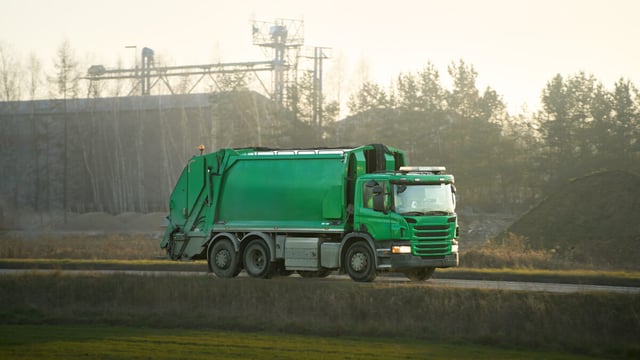
The City of Tacoma’s Solid Waste Management Division has launched a two-year pilot project to reduce contamination in curbside recycling, supported by a $1.8 million grant from the U.S. Environmental Protection Agency. In collaboration with Canadian firm Prairie Robotics, the initiative equips garbage trucks with smart cameras that use artificial intelligence to automatically scan and identify non-recyclable items during collection.
When contamination is detected, the system matches the address to the offending bin and triggers a targeted educational response, sending a postcard to the resident outlining the specific items that were incorrectly placed in the recycling. No penalties are applied during the pilot.
Prairie Robotics’ platform, already in use in cities such as Greensboro, NC, and East Lansing, MI, provides real-time feedback and is designed to promote long-term behavioral change through individualized outreach. The pilot will be rolled out in phases across Tacoma neighborhoods over the next year, with ongoing evaluation through June 2027.