Thames Water Utilities Limited, the Reading-based private utility serving around 16 million customers across London and the Thames Valley, published a preliminary market engagement notice on Find a Tender on 12 October 2026 for a smart metering framework covering water meters, meter repair and maintenance, and meter reading. The framework would run from 1 April 2028 to 1 April 2035 and can be extended to 31 March 2050, 22 years in total, with no contract value disclosed. Suppliers face an engagement deadline of 2 November 2026, following a senior leadership webinar on 19 October 2026, and the tender notice itself is estimated for 2 November 2027.
The notice is a planning step under the Procurement Act 2023, issued under the special regime for utilities, placing the work in London and the South East of England and classing the programme as services rather than goods. The sequence leaves exactly 12 months between the engagement deadline and the estimated tender notice, then about five months to the framework start date, a derived timeline logged in the tender record on the Kurrant Tender Tracker.
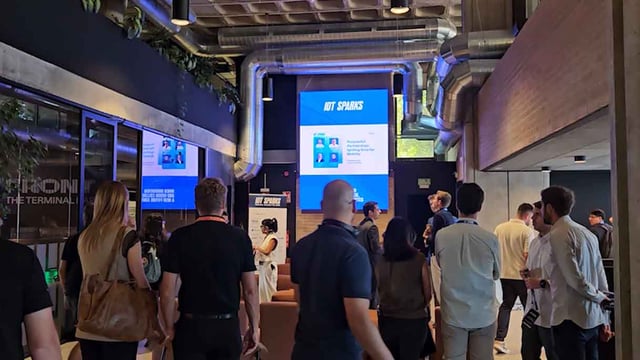
The webinar is positioned as a strategy briefing rather than a technical session: “This will be an opportunity for interested suppliers to hear directly from Thames Water’s senior leadership team about the future procurement strategy for one of the UK’s largest smart metering programmes,” states the preliminary market engagement notice published by Thames Water on 12 October 2026, which carries no named signatory.
Why A Private Utility Can Set A 2050 Horizon
Under the Procurement Act 2023, utilities frameworks let by public authorities or public undertakings remain capped at eight years. The Act sets no maximum term for frameworks awarded by private utilities, and the notice classes Thames Water as a private utility.
The seven-year initial term would sit inside the eight-year ceiling that binds public bodies, while the optional extension adds 15 years. About 68% of the 22-year horizon therefore lies in the extension period, a derived share that shows where most of the duration risk sits for bidders.
On Ofwat’s current five-year cycle, the framework would cover the last two years of AMP8, which ends on 31 March 2030, and all of AMP9 to 2035. If extended, it would run through three further price controls, leaving suppliers to price work across four regulatory settlements that have not yet been determined.
A 1.2 Million Meter NB-IoT Estate As The Starting Point
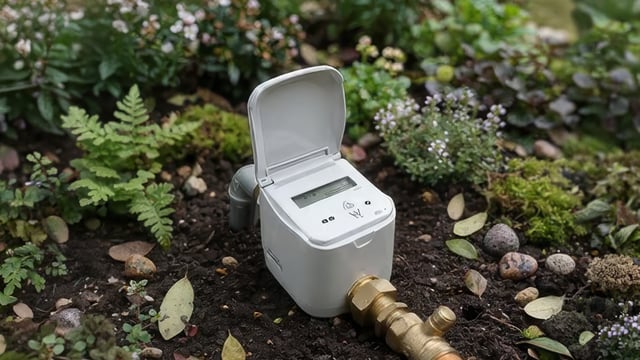
Thames Water began its smart rollout in 2016 and passed one million installations in December 2023. By November 2024 it reported more than 1.2 million devices installed, a target of a further million homes and businesses by 2030 and an aspiration to exceed three million installations by 2035.
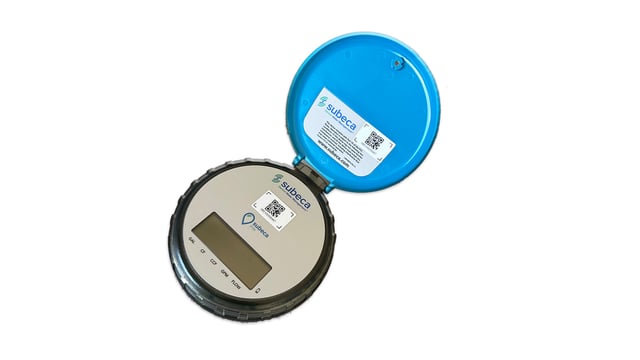
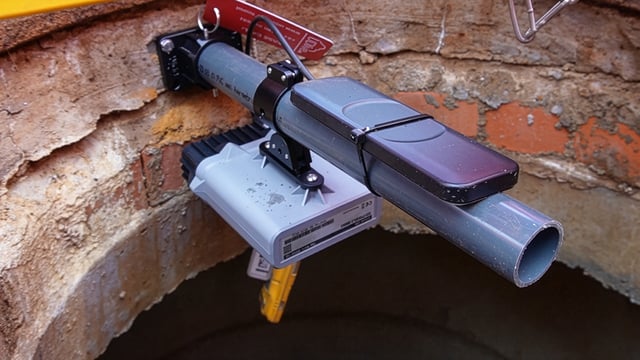
The current estate pairs Honeywell concentric meters fitted outside properties with Sensus UK in-line meters fitted inside, both reporting over Vodafone’s NB-IoT network under a separate Thames Water communications framework. Arqiva remains contracted for around 450,000 further meters in London.
Moving from 1.2 million to three million implies at least 1.8 million further installations between late 2024 and 2035, a derived figure. The framework’s initial term ends on 1 April 2035, the same year Thames Water set for that aspiration.
On the business side, Thames Water reported on 24 September 2026 more than 90,000 smart meters across its non-household network, covering over half of its 170,000 metered business customers, with installations running at about 2,000 a month.
What The Three CPV Codes Cover, And What They Leave Out
The notice lists codes for water meters, for repair and maintenance of water meters and for meter reading services. None of them describes connectivity, a head-end system or a data platform, the layers Thames Water currently buys through its communications framework.
Keeping meter reading in scope matters because Thames Water’s customer guidance says some installed meters are not yet fully smart and are read every six months, so a reading service may still be needed well into the framework period.
Maintenance also weighs more over 22 years than over a single price control, since much of the estate installed under current contracts would age inside the framework window. The notice does not say whether replacing first-generation smart meters is in scope.
Seven Years Initial Against Three Elsewhere In AMP8
Kurrantly reported that Thames Water’s previous AMP8/9 smart meter award was valued at £181.8 million over an initial three years extendable to eight, split between Elster Water Meter for concentric meters at £133.3 million and Sensus UK for in-line meters at £48.5 million.
Other AMP8 awards follow similar structures. Severn Trent’s £200 million AMI network contract with Netmore for one million meters carries an initial three-year term, and Northumbrian Water’s rollout of around 750,000 meters with United Infrastructure runs for three years with a five-year extension option.
Against those benchmarks, the proposed initial term is more than twice as long, and the maximum duration is almost three times the eight-year ceiling of Thames Water’s own earlier contract. The notice names no technology, standard or vendor and reads, at this stage, as vendor-neutral.
A 2050 Commitment From A Buyer Still Settling Its Capital Structure
The engagement opens while Thames Water’s ownership remains unresolved. The creditor consortium London & Valley Water has proposed £3.35 billion of new equity and up to £6.55 billion of new debt to fund a turnaround plan with £20.4 billion of planned AMP8 expenditure, and Thames Water stated in March 2026 that neither its board nor Ofwat had decided to accept that proposal.
Thames Water said in July 2026 that it was funded until the fourth quarter of 2026. In August the UK government ruled out an immediate move into special administration while keeping it among the options under review.
The regulator is changing too, after the Independent Water Commission recommended in July 2025 that Ofwat be abolished and replaced by a single integrated regulator. The government endorsed that recommendation, so any extension beyond 2035 would be overseen by a body that does not yet exist.
With no value published, the question the 19 October briefing and the 2027 tender documents will need to answer is whether Thames Water can give bidders enough volume and funding certainty to price a commitment reaching 2050, when its recapitalisation and the regulatory regime that will set four of the price controls the framework spans are both still unsettled.