in Barcelona
 3 to 5 Nov 2026
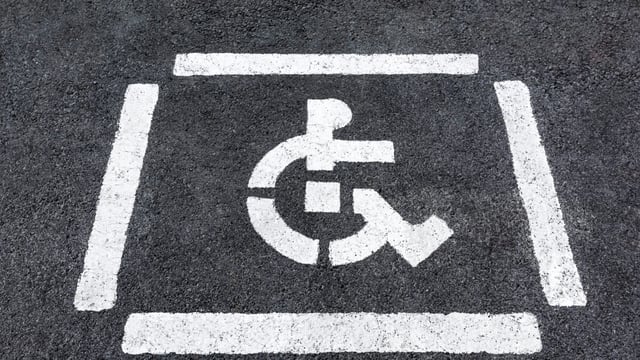
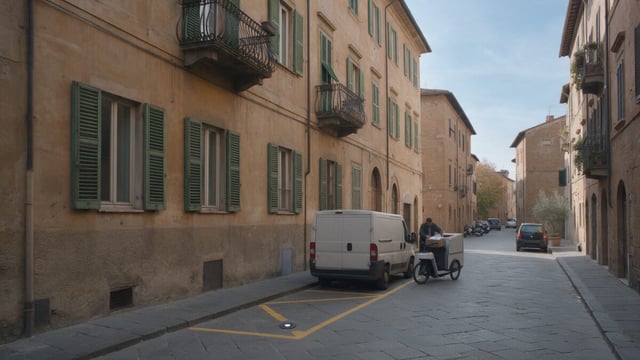
The city of Lecce, in the southern Italian region of Apulia, has started a pilot to detect unauthorised parking in reserved disabled bays, handing the first in-car devices to ten blue badge holders at the local police headquarters in November 2026, La Gazzetta del Mezzogiorno reported on 17 November. Each bay has a sensor under the asphalt that recognises the authorised car through a small token kept in the vehicle.
Why: Reserved Bays Are Routinely Occupied
Lecce updated its rules on disabled parking permits and reserved bays in 2024, and the city says unauthorised occupation remains a frequent complaint. Giancarlo Capoccia, the city councillor responsible, said short stops by other drivers are not an excuse, describing a reserved bay as a tool for autonomy. Police can only act on a violation they see, and the sensors are meant to tell them when and where one happens.
The city’s mobility manager, Adriana Carecci, said the project follows a “test before invest” approach. Feedback from the ten permit holders and the occupancy data from the sensors are to guide how the city extends protected bays.
How The System Works
If a car without a matching token stays in one of the bays for more than ten minutes, a Telegram bot sends an alert to officers’ phones in about 30 seconds, with the location on Google Maps. A second message follows when the bay is free again. A screen in the police control room shows the status of every bay. The ten bays are spread across residential and central streets.
The pilot is coordinated by Retelit, an Italian telecom and digital services operator. It is called SML3 and forms part of Smart Mobility Lecce, which is funded through Italy’s national recovery plan via CIM 4.0, a Turin competence centre, on behalf of the Ministry of Enterprises and Made in Italy. Local companies Tesys and Sudsegnal, a road signage firm, are partners, with an IoT platform from Things2i. The city says the pilot costs it nothing.
Traffic Lights And Bike Counting
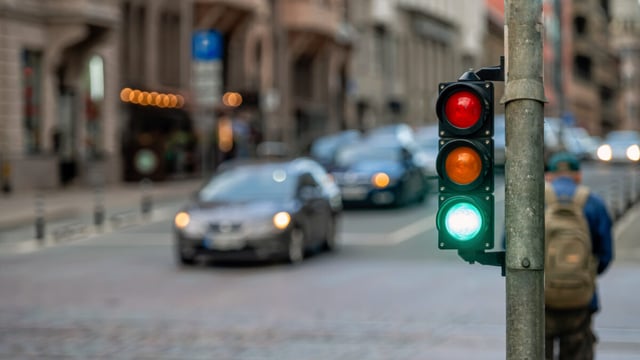
The same programme covers two other streams. On Via Imperatore Adriano, optical sensors adjust traffic light timings to the length of queues. In Piazzetta Verdi, cameras count bicycles on the cycle lane, and the method is to be extended to all of the city’s cycle lanes.
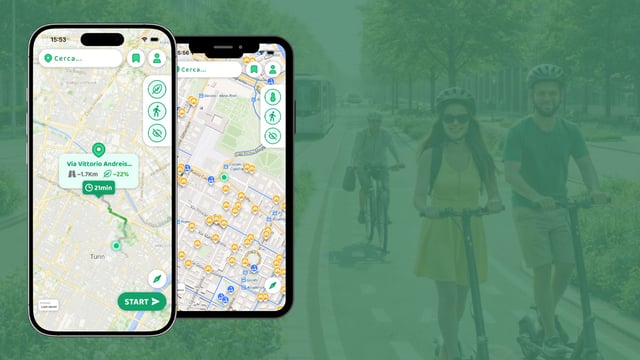
Since June 2026 the two counting sites have averaged 466 bicycles a day, with peaks between 8:00 and 12:00 and between 17:00 and 20:00. Retelit’s project lead, Francesco Sciannamea, said the data is to show which stretches see little use and where cyclists are most numerous.
What Happens Next
Police commander Donato Zacheo said the city built the system in less than a year and hopes to offer it to more permit holders within the next year. The pilot currently covers ten bays and ten drivers.