in Barcelona
 3 to 5 Nov 2026
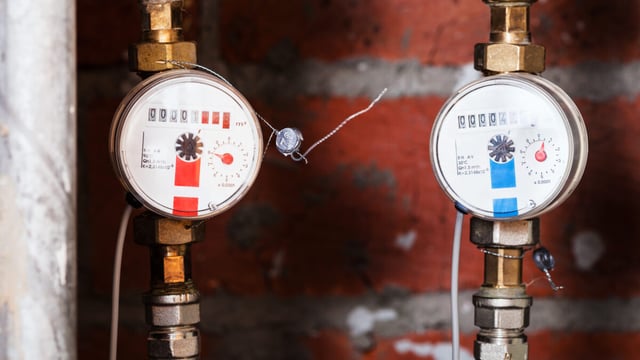
The District of Saanich, the British Columbia municipality of 117,735 residents at the 2021 census on the northern edge of Greater Victoria, announced on 23 October 2026 a five-year programme to replace the water meter reading equipment at about 30,000 properties with an advanced metering infrastructure (AMI) system. Work is scheduled to begin in late 2026 and to cover roughly 6,000 meter locations a year, proceeding neighbourhood by neighbourhood, with the stated aim of flagging unusual consumption that may indicate a leak.
The district describes itself as one of the first Vancouver Island municipalities to make the change, and it is funding the programme from its Water Capital Budget, which means the cost sits inside existing utility rates rather than in a separate levy.
A Procurement Path That Began In 2022
The programme follows a request for proposals, RFP 22-113, which the district published on 9 September 2022 under the title Water Meter AMI, Data Collection, Storage and Management and closed on 3 November 2022. That document sought a supplier for the future supply, installation and operational support of an AMI system for the district’s water utility, which places the gap between procurement and the first installations at roughly four years.
The district links the project to the asset management, reliable service and water conservation priorities in Council’s 2023 to 2027 Strategic Plan. It also cites ageing meters and reading equipment that are becoming less reliable or incompatible with newer technology, a common driver of AMI programmes where manual or drive-by reading routes depend on hardware that manufacturers are retiring.
Sensus Analytics Holds The Data, KTI Does The Fieldwork
Meter identification numbers and water-use readings will be stored in the Sensus Analytics platform, with access controlled by the district, according to the municipality’s announcement. The district states that the system collects only those two data types and no information about activities inside homes or businesses, and that the equipment uses low-power radio signals meeting applicable Canadian requirements.
KTI Utility Services will complete most of the installations, while district staff will handle some of the larger or more complex sites. KTI is part of Aurora, Ontario-based KTI Limited, and the company says its water AMI work covers planning, customer communication, system design, installation, IT integration and ongoing meter and network maintenance for Canadian utilities with between about 1,000 and more than 180,000 customers. It lists Sensus as a partner and cites a completed AMI network for a Western Ontario utility, finished in June 2024, as a reference.
The Rationale For Remote Reading
AMI replaces periodic manual reads with frequent, automatically transmitted consumption data, and utilities typically use the resulting profiles to separate continuous night-time flow, which often indicates a leak on the customer side, from ordinary use. The district has said that is the purpose of the upgrade, and the earlier public information it has issued on leaks has centred on a free leak detection kit programme that depends on residents checking their own meters.
Remote reads also change the utility’s own workload. They remove the reading route, allow billing on actual rather than estimated consumption and give operators a district-wide view of demand by neighbourhood, which is the kind of data that supports the water conservation priority named in the strategic plan.
The Milestones That Will Test The Schedule
The first measure of progress is whether the programme reaches 6,000 locations in its initial year, since a five-year plan for 30,000 properties leaves no slack for a slow start across the late 2026 mobilisation period. Because the rollout moves neighbourhood by neighbourhood, the first completed areas will also give the district its first comparison of leak alerts against the manual reads they replace, and the results from those early zones are likely to shape how the remaining four annual phases are sequenced.