in Barcelona
 3 to 5 Nov 2026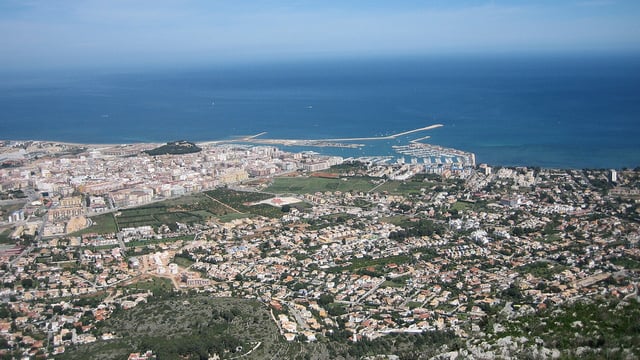
The city council of Dénia, a coastal municipality in Spain’s Alicante province, confirmed that it has invested 7,514,643.24 euros of European Next Generation EU recovery funds in local infrastructure, tourism and commerce projects. The figure represents roughly 78 percent of the 9,648,973.88 euros the municipality was allocated under the EU’s post-pandemic recovery mechanism. The announcement closes out a multi-year execution window and comes as Spanish municipalities nationwide report mixed absorption rates for the bloc’s flagship recovery instrument.
How The Municipal Allocation Was Structured
Dénia’s Next Generation EU envelope was distributed across three distinct funding lines managed by the European Commission‘s Recovery, Transformation and Resilience mechanism, according to figures presented at the press conference. Two rounds of Tourism Sustainability Plans in Destination, corresponding to 2021 and 2022, accounted for the largest share, alongside a dedicated line of aid for local commerce. Execution rates varied by line, with the council reporting 76 percent completion on the 2021 tourism plan, 82 percent on the 2022 plan and 71 percent on the commerce package.
Smart City Systems Among The Completed Deliverables
Roughly 80 percent of the invested capital was channelled into projects tied to commerce, sustainable tourism and the UN Sustainable Development Goals. Among the completed items, officials listed the installation of a citywide network of street cameras for monitoring and surveillance, the renovation of the Turisme Dénia departmental website, and an ongoing Smart City implementation program that remains in progress. The council also completed the drafting of a Sustainable Tourism Mobility Plan, though it did not disclose the number of sensors, cameras or connected devices deployed as part of the camera network.
Urban Regeneration And Heritage Projects Delivered
The tourism sustainability funding produced several visible urban interventions, including the creation of Plaza María Hervás on the site of a former health centre, described by officials as a climate shelter in the city centre. The Vía Verde greenway was converted into a decarbonized corridor with additional shade trees, and Sagunt street was reurbanized under the commerce aid line. The council also allocated 200,000 euros to partially furnish and install signage at the Casa de Torrecremada, planned as a future university site, and funded a heritage interpretation centre and museography project tied to the Dénia castle.
The Agrarian Park Project Left Unexecuted
Roselló confirmed that the unexecuted balance, approximately 2.1 million euros, corresponds entirely to the Parque Agrario project, which the council was unable to complete before the funding deadline. A separate initiative, the Bosc de Diana project, was also halted after a legal challenge from a property developer, though the council said it redirected those funds to other approved projects, including the Vía Verde works, rather than losing them. Roselló described Next Generation grants as administratively more demanding than funding from the provincial Diputación or the regional Generalitat Valenciana.
Spain’s Broader Absorption Challenge
The Next Generation EU fund, created in 2020 to counter the economic and social damage of the COVID-19 pandemic, mobilized more than 800 billion euros across the bloc, with roughly 100 billion euros channelled to Spain through grants and loans under the national Recovery, Transformation and Resilience Plan. Municipal absorption of these funds has proven uneven nationally, with local outlets noting that many Spanish town councils have been forced to return significant portions of their allocations after missing execution deadlines, a dynamic that makes Dénia’s reported 78 to 80 percent execution rate comparatively strong.
Two Priority Projects Still Awaiting External Funding
Carrió flagged two infrastructure priorities that remain unresolved outside the Next Generation framework: a new municipal sports pavilion and a second residential facility for dependent elderly residents. The mayor said the pavilion’s scale exceeds what the council can finance alone and that efforts to secure co-financing from the Diputación de Alicante and the Generalitat Valenciana have so far been unsuccessful. On the elderly care residence, the council said the project had originally secured a place in the Generalitat’s Convivint infrastructure program before the regional government paused processing after a change in administration, citing rising material costs; a proposal to split construction into two phases was also not taken up by regional authorities.