in Barcelona
 3 to 5 Nov 2026
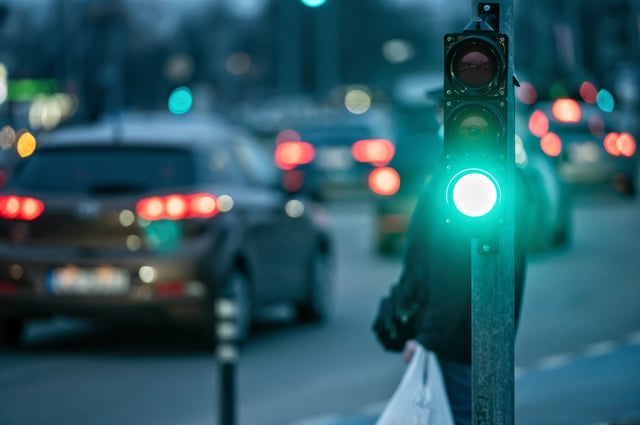
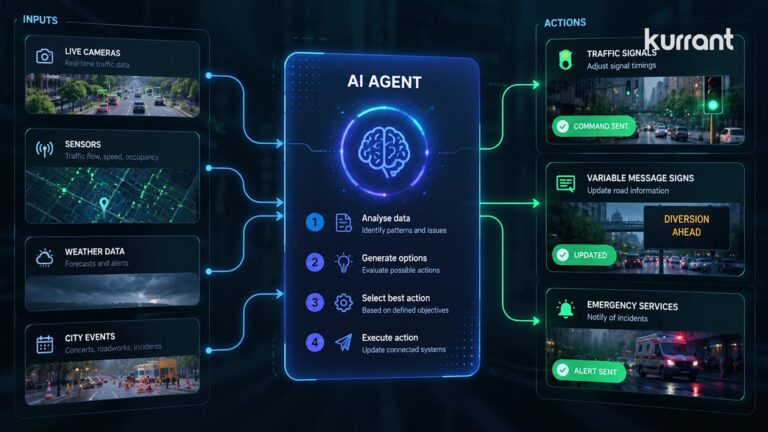
Dubai’s Roads and Transport Authority (RTA) has launched an advanced traffic signal control system, integrating AI, predictive analytics, and digital twin technologies across major intersections.Yunex’s UTC-UX Fusion system aims to reduce traffic congestion by up to 20% and improve journey times for all road users, including motorists, public transport passengers, pedestrians, and cyclists.
The system moves beyond traditional reactive models by using predictive analytics to anticipate and manage traffic patterns before congestion occurs. Digital twin technology creates virtual replicas of intersections, allowing engineers to simulate and optimize signal adjustments before implementation. This approach minimizes the risk of unintended congestion and enhances overall traffic flow.
Additionally, the system prioritizes emergency vehicles and public transport, automatically adjusting signals to expedite their movement. It also lays the groundwork for future Cooperative Intelligent Transport Systems (C-ITS/V2X), enabling communication between smart vehicles and traffic signals, a critical step for integrating autonomous vehicles.
The upgrade aligns with Dubai’s 2040 Masterplan, which emphasizes efficient mobility and smart city development. The project is scheduled for completion by mid-2026.