Ireland’s largest private forestry management group, Green Belt, will pilot a biodiversity monitoring project on a 22-hectare forest in Edgeworthstown, County Longford. The project aims to convert a commercially productive forest into a native, multi-species plantation to enhance biodiversity. Biodiversity gains will be monitored using various Monitoring Techniques
- LiDAR Technology: Light Detection and Ranging (LiDAR) uses laser pulses to create detailed 3D maps of the forest structure. This technology helps monitor water flow and detect changes in vegetation over time, providing crucial data on the forest’s ecological health.
- Trail Cameras: Cameras placed throughout the forest capture images and videos of mammal activity. This data helps assess the presence and behavior of wildlife, contributing to understanding biodiversity changes.
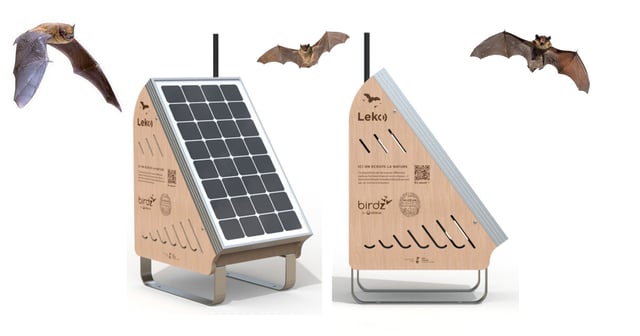
- Acoustic Monitoring: Bird surveys are conducted using acoustic sensors to record bird calls. This method identifies bird species, including those of conservation concern, and monitors their population and activity patterns.
- Real-Time Data Display: All collected data is displayed in real-time on a dedicated website, allowing for continuous monitoring and transparency regarding biodiversity gains.
The project, designed to last over 120 years, will be validated by the Wallacea Trust. It may generate biodiversity credits in the future, with each credit estimated to be worth €5. This initiative supports Ireland’s National Biodiversity Action Plan.