in Barcelona
 3 to 5 Nov 2026
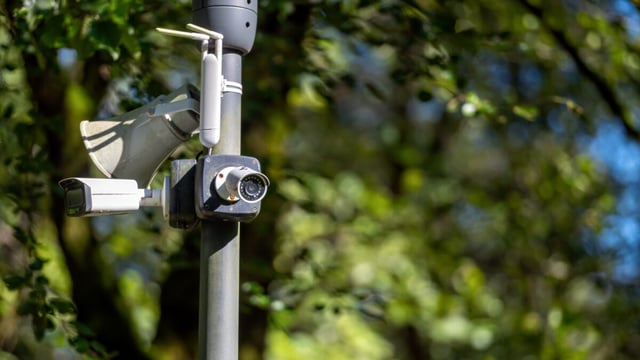
Pamplona is trialing an AI-based surveillance system using municipal cameras to monitor crowd density and detect emergencies in public spaces. The solution developed by Copysan IA is part of the Smart Iruña Lab initiative, supported by the city council.
The system uses AI algorithms to count people without identifying them, providing real-time occupancy data and generating alerts for low, medium, or maximum capacity. Unlike existing systems limited to 30 individuals, this technology has no numerical restrictions.
Additionally, the software can detect falls in public areas, automatically alerting emergency services to accelerate medical response for incidents like strokes or heart attacks.
After successful lab testing, the system has been deployed in two city locations, with three technicians overseeing its implementation. Results will be presented on June 25 at Palacio del Condestable, alongside three other Smart Iruña Lab projects focused on clean energy, noise monitoring, and electrical infrastructure security.
Smart Iruña Lab, launched in 2018, has already facilitated nine urban innovation projects. It operates under the EU-funded oPEN Lab, aligning with Pamplona’s 2030 Urban Agenda for sustainability and smart city development.