Latest
1h agoWest Sussex County Council Trials Dashboard AI Cameras On 8 Highway Inspection Vehicles YesterdayKurrant Advises Telraam on Its Sale to Quanteo, Parent Company of Eco-Counter 5 OctCartagena Tenders €130,258 Sensor Network For Air, Weather And Pedestrian Data 5 OctUkraine’s Decarbonization Fund Buys 40,000 NB-IoT Gas Meter Modules For UAH 187.2 Million 4 OctGermany Opens Its Grid To Bidirectional EV Charging 3 OctAmpol Agrees $225 Million Purchase Of Evie Networks, Combining 1,424 Fast-Charging Bays 3 OctGreek Ministry Of Digital Governance Receives Four Bids For 1,000-Camera Enforcement Network 2 OctMonza Approves €615,000 Camera Upgrade At 14 Signalised Intersections Under SAMU Project 2 OctLe Taillan-Médoc Ends Midnight Streetlight Shutoff, Switching To All-Night Dimmed LED Lighting 2 OctBogotá Plans 100,000 Telemanaged LED Streetlights As Enel Lighting Agreement Ends In November
Kurrantly News · Weekly briefingThe week in smart cities and utilities, in one email
Share
Mobility and Traffic · USA

Philadelphia Parking Authority and SEPTA Partner with HaydenAI to Implement AI Cameras for Parking Enforcement

Kurrant News Desk · ·1 min read

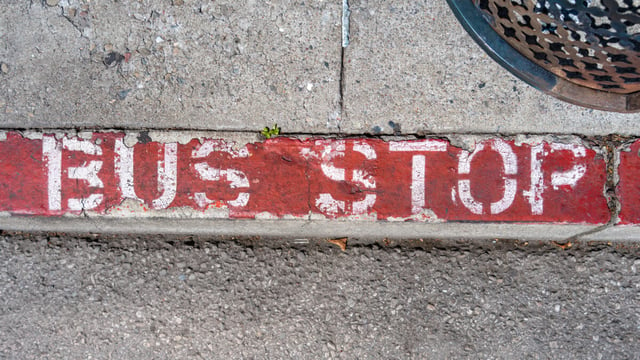
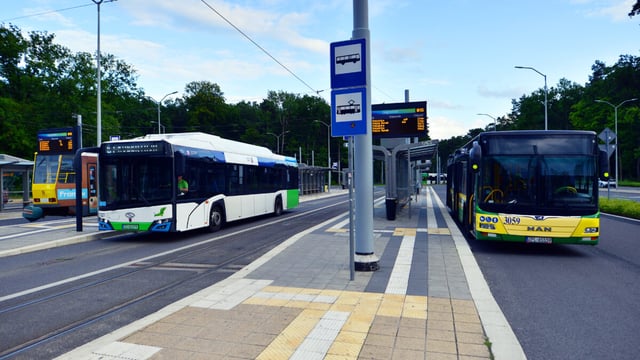
Starting in May, Southeastern Pennsylvania Transportation Authority (SEPTA) and the Philadelphia Parking Authority (PPA) will deploy AI-powered cameras on 150 buses and over 20 trolleys to ticket vehicles illegally parked in bus lanes and at bus stops. Violators will face a $101 fine.

The cameras, developed by Hayden AI, will automatically detect and document parking violations, capturing license plate information and sending it to the PPA for review. This initiative follows a successful 2023 pilot program on seven buses, which identified over 36,000 violations in 70 days, with bus stop obstructions significantly outnumbering bus lane infractions.

A two-week warning period will run from April 16 to April 30, with enforcement beginning May 1. This new enforcement effort seeks to address long-standing issues of illegal parking and ensure smoother transit operations. to reduce transit disruptions and improve accessibility, particularly for seniors and passengers with disabilities.