in Barcelona
 3 to 5 Nov 2026
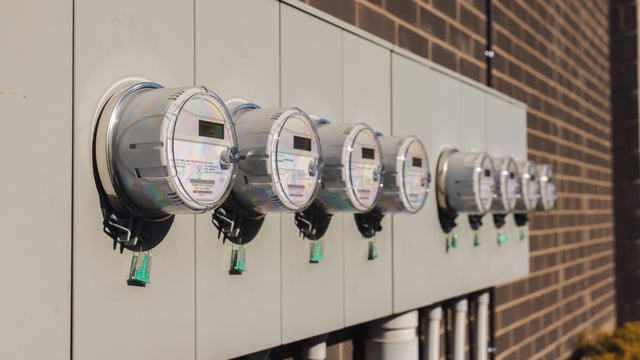
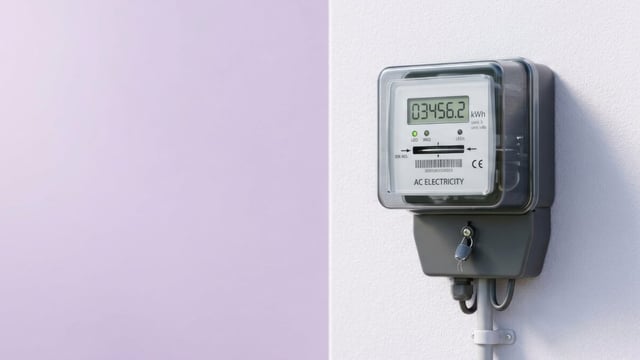
The Regulatory Committee of the Romanian Energy Regulatory Authority (ANRE) approved on 26 November 2026 an updated rollout calendar for smart electricity metering. Under the plan, Romania’s distribution operators have committed to connect 1,361,182 consumption points to smart metering systems in 2027 and a further 1,996,633 in 2028.
The decision amends the national calendar for smart metering systems covering 2019 to 2028, known as CISMI, which sets installation volumes for each of the country’s eight distribution concession zones.
Why ANRE Revised The Calendar
ANRE said the update is meant to speed up meter installation, make use of non-reimbursable European funding, including the Modernisation Fund, and increase the digitalisation of distribution networks, according to InvesTenergy. Before approving it, the regulator reviewed the technical documentation, proposed investments and cost-benefit analyses submitted for each zone. A funding guide for Modernisation Fund support was approved in 2026.
Progress so far has been uneven. At 31 December 2025, 3,578,830 users were integrated into smart metering systems, or 34.54% of all consumption points, up from 28% a year earlier, Financiarul reported, citing ANRE data. Nationally, operators had delivered about 98% of the cumulative volume planned to that date.
The national figure hides a wide spread. Distribuție Energie Oltenia reached 115% of its cumulative plan, Rețele Electrice Muntenia 114%, Rețele Electrice Banat 112% and Rețele Electrice Dobrogea 110%. Delgaz Grid, the E.ON distribution company in north-eastern Romania, stood at 93%, while the three zones run by Distribuție Energie Electrică România, the Electrica group’s distributor, ranged from 52% to 71%.
Targets Differ By Zone
The calendar sets coverage targets for the end of 2028 that range from 52% to 86% depending on the zone. Rețele Electrice Dobrogea is to reach 86%, Rețele Electrice Muntenia 81% and Rețele Electrice Banat 80%.
Under Law 123/2012 on electricity and natural gas, the installation works are included in each distributor’s annual investment plan. The law sets no installation fee for the customer, though it requires the customers concerned to contribute to the cost of introducing the systems in a transparent and non-discriminatory way.
Customers do not need to apply for a meter: the local distributor sets the installation date for each address. For final customers outside the priority categories, the deadline is 31 December 2028.
What Changes For Customers And Suppliers
Once a point is integrated, billing is based on measured consumption, without periodic meter readings or index self-reporting, according to ANRE. Customers can also request their validated historical consumption data free of charge, and the law gives them free access to unvalidated data close to real time.
Financiarul noted that a smart meter does not by itself lower a bill, and that the obligation to submit a meter index manually is not removed in every case by the data-access rules it cited.
What Happens Next
ANRE said it will monitor compliance with the calendar and check that each operator meets the volumes it has committed to, with non-compliance subject to sanctions under existing legislation. The first tranche of 1,361,182 consumption points is scheduled for 2027, and the national 70% target falls due on 31 December 2028.