in Barcelona
 3 to 5 Nov 2026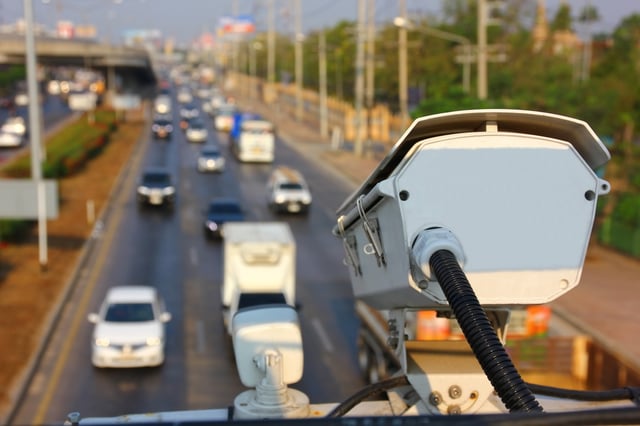
The Santa Fe Police Department will begin operating six mobile speed and noise enforcement trailers across the city in August 2026, under a five year, up to $4 million contract with Jenoptik Smart Mobility Solutions that the City Council approved unanimously in April. The devices will run around the clock, three on the north side of the city and three on the south side, targeting locations chosen from crash data, traffic studies and resident complaints. City officials frame the rollout as a response to years of public concern over speeding, street racing and loud modified exhausts, following the 2013 shutdown of a predecessor enforcement program.
Deployment Locations And Device Split
According to city officials cited by KRQE, the initial six trailers will be positioned along Jaguar Drive, Zia Road, Camino Carlos Rey, Siringo Road and Galisteo Street.
On each side of the city, one trailer will be configured for combined speed and sound enforcement, while the remaining two units on each side will monitor speed only, per reporting from KOB.
The mixed configuration lets the department compare violation patterns between noise heavy corridors and general speeding hot spots before deciding where to expand.
Contract Terms And Vendor Role
The city’s agreement with Jenoptik Smart Mobility Solutions, LLC runs five years and is capped at roughly $4 million, covering hardware, software and support for the trailer fleet.
Jenoptik’s mobile units combine radar or lidar based speed detection with acoustic sensors intended to flag vehicles exceeding local noise limits, a category the company markets globally as part of its Smart Mobility Solutions line.
Every flagged event is reviewed by a trained police department employee before a citation is issued, and the program includes a 30 day warning only period once devices go live, with no immediate ticketing.
Revenue from citations will fund the program itself, with any surplus directed to the department’s broader safe driving initiatives.
Data Ownership And Privacy Safeguards
City leaders have emphasized that Santa Fe, not Jenoptik, will retain ownership of all data the trailers generate.
Mayor Michael Garcia stated the information will not be shared with outside entities, including federal immigration authorities, addressing a concern raised by residents and councilors.
The department also plans a public education campaign ahead of enforcement, including advance notice of trailer locations and posted signage in designated zones.
A Program With A Troubled History
Santa Fe is not new to automated enforcement. The city’s original Traffic Operations Program, known as STOP, ran from roughly 2008 to 2013 using radar equipped vehicles operated in partnership with a vendor paid a share of ticket revenue.
A 2017 city resolution cited a rise in reported crashes after STOP ended, climbing from 2,569 in 2014 to 3,004 in 2016, part of the justification city staff used to push for revival.
That 2017 effort narrowly passed the council on a 5 to 4 vote, but the current Jenoptik contract represents the program’s first concrete return to the streets in over a decade, alongside a newly fully staffed police Traffic Section covering motor, bicycle and DWI enforcement units.
Industry Context For Automated Enforcement
Santa Fe’s rollout follows a broader national pattern of cities expanding camera based traffic enforcement, from New York City’s multi year contract renewal with Verra Mobility covering thousands of devices to smaller scale deployments in cities like Chattanooga.
Unlike New York’s fixed camera network, Santa Fe’s approach relies entirely on mobile trailers that can be relocated based on evolving complaint and crash data, a model city officials say keeps the program flexible during its initial phase.
What City Officials Say Comes Next
The department will use enforcement data collected during the initial deployment to evaluate driving behavior citywide.
Based on those findings, the police department may consider adding more mobile devices or establishing permanent fixed camera locations, a decision city officials say will come after the initial data collection period concludes.
No specific timeline for that expansion decision has been made public.