in Barcelona
 3 to 5 Nov 2026
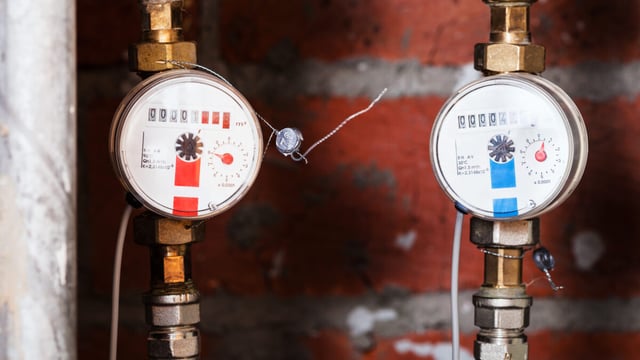
Siemens has secured a contract to retrofit 60 government buildings in the UAE with advanced IoT sensors and software, as part of the country’s ambitious decarbonization program. The project, aligned with the UAE’s goal of achieving net-zero emissions by 2050, aims to cut energy and water consumption by 27% annually and reduce CO2 emissions by 15,400 metric tons. The deal focuses initially on healthcare and education facilities, leveraging Siemens’ expertise in energy efficiency and AI-driven solutions. Siemens’ Smart Infrastructure division will leverage IoT and AI solutions from its Xcelerator portfolio, including both in-house and third-party technologies. The upgrades will focus on heating, ventilation, and air conditioning (HVAC) systems, integrating movement and lighting sensors, and installing building management systems. These measures aim to centralize energy management and reduce carbon emissions.
This agreement follows Siemens’ successful retrofits of seven government buildings, which delivered a 20% reduction in energy and water usage. These initial results, drawn from a representative sample of properties, were important in securing the broader deal according to Siemens.
Regarding the project’s cost, specific financial details have not been publicly disclosed.