in Barcelona
 3 to 5 Nov 2026
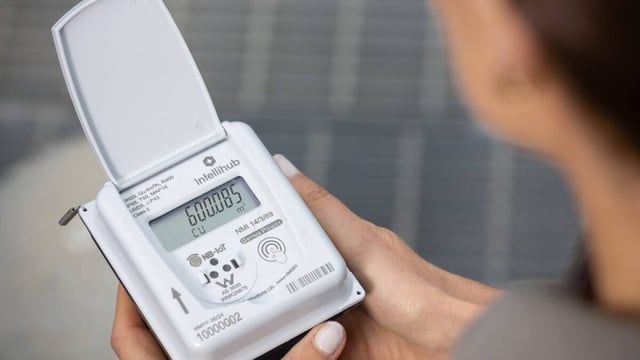
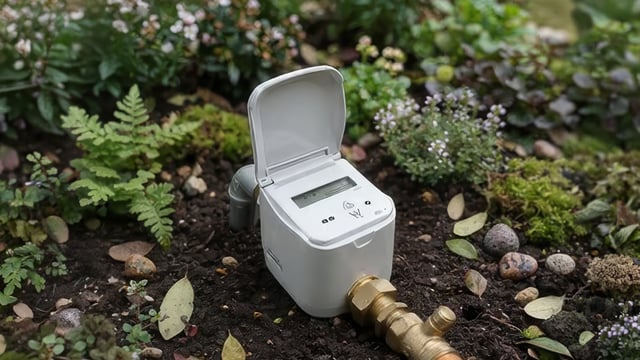
Following the news that Australian telco TPG Telecom has secured a ten-year contract to deploy 1 million NB-IoT Smart Water Meter for South East Water, Victoria’s government-owned corporation South East Water announced that it has partnered with Avnet to deploy 1 million Huizhong SCL61H-100 smart ultrasonic water meters. To ensure accuracy, Avnet has set up a dedicated water meter test lab at its Bayswater facility in Melbourne for comprehensive verification testing.
This rollout builds on an existing partnership, with over 100,000 smart meters already installed in Melbourne’s southeast. These smart meters, integrated with South East Water’s proprietary Sotto vibration sensor, detect leaks in real time by feeding data into the Lentic IoT platform, which pinpoints leak locations and automates internal functions like billing and customer notifications.
In 2023-24, customer leak notifications saved around 683 million liters of water and AU$2.9 million (US$1.9 million) for customers by identifying leaks in near real time. The network leak monitoring program saved an additional 140 million liters of drinking water by enabling early leak detection and repair.