Torch Sensors, a U.S.-based start-up specializing in wildfire detection technology, has unveiled a beta program for its advanced solar-powered fire detection system. The initiative, set to begin in March 2025, will initially deploy in Los Angeles, North Carolina, and New Mexico, with plans for nationwide expansion.
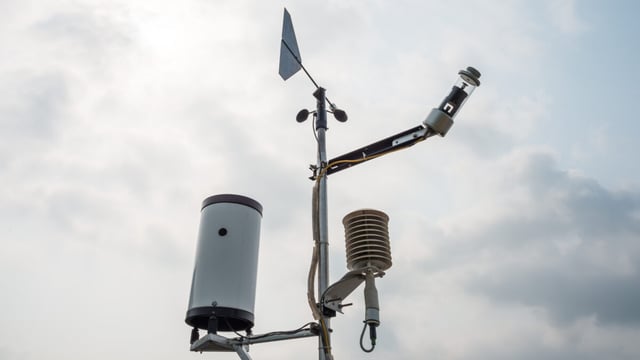
The system uses solar-powered sensors designed to detect fire outbreaks within three minutes across areas up to 10 acres. The beta phase will include strategic installations in three regions: Los Angeles will receive 50 devices in March, expanding to 150 by April; North Carolina will see 100 devices deployed in partnership with a major utility company; and New Mexico will pilot 20 devices across city parks.
Torch Sensors aims to install 1,000 units by June 2025 and increase this to 3,000 by the end of the year. The Los Angeles program will focus on community involvement, offering residents in fire-prone areas the opportunity to participate in testing and provide feedback.
The partnership in North Carolina is expected to expand to over 60 solar farms on the East Coast, safeguarding critical infrastructure and surrounding properties. In New Mexico, the technology will be tested in 59,000 acres of city parks to enhance fire prevention and operational efficiency.
Interested residents in fire-prone areas can apply for the free beta program, while others across the U.S. can join a waiting list for future rollouts.