Latest
20h agoSaanich Starts Five-Year Upgrade Of Water Meter Reading Equipment At 30,000 Properties 22h agoDubai’s Moro Hub Partners With ThingsBoard To Host Government IoT Applications On Moro Cloud YesterdayMonza Completes 12,688-Point LED Streetlight Replacement And Adds QR Fault Reporting YesterdayUSDOT Selects UCLA, University Of Michigan And Derq For $5.5M Intersection Safety Phase One YesterdaySIEL-Territoire d’Énergie Loire Reaches 25,000 Sensors On Its ROC42 LoRaWAN Network YesterdayMBTA Begins Hayden AI Bus Lane And Bus Stop Camera Enforcement On Routes SL4 And SL5 YesterdayLos Angeles Council Approves 50 DASH Bus Enforcement Cameras In $3.43M Hayden AI Contract 22 OctFriuli Venezia Giulia Council Backs Adaptive Streetlight Study After €156.6M Udine Crash Toll 22 OctNYC Department of Transportation Ends Automotus Curb Camera Pilot on the Upper West Side 22 OctAomori Prefecture Installs 12 AI Bear-Detection Cameras In Hakkoda Mountains After Fatal Attack
Kurrantly News · Weekly briefingThe week in smart cities and utilities, in one email
Share
Street Lighting · Turkey

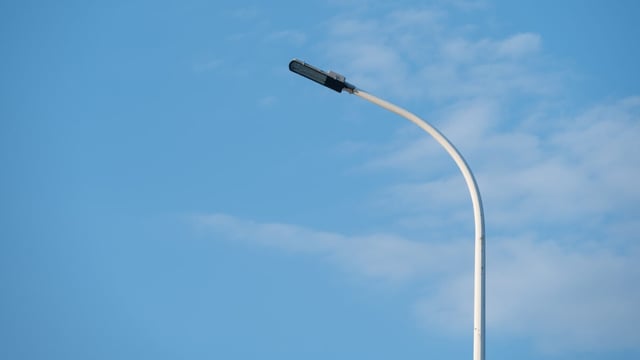
Türkiye Pilots Smart Streetlights Offering Charging, Connectivity, and Urban Monitoring

Kurrant News Desk · ·1 min read

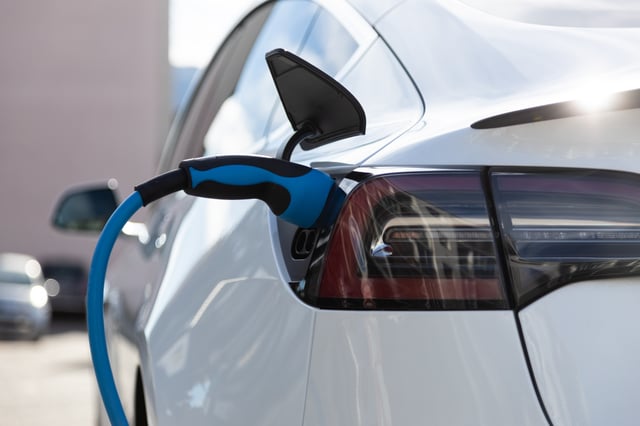
Türkiye has launched a pilot of its new “Smart Street Lighting” system in Ankara, developed by the Ministry of Energy and Natural Resources’ affiliate, Türkiye Electromechanical Industry Inc. (TEMSAN). Designed to modernize public infrastructure, the smart poles combine multiple urban services in a single unit. Each pole features LED lighting, free electric vehicle and powered wheelchair charging stations, USB ports, and public Wi-Fi access. Additional components include integrated security cameras, a digital display for news, traffic, and weather updates, and an emergency alert system for disasters.

Environmental monitoring is also built in, with sensors tracking air quality, noise levels, temperature, humidity, wind speed and direction, and solar radiation. The system is connected to the national power grid but also uses solar panels to reduce energy consumption. Once testing is completed and the system moves to mass production, these streetlights aim to enhance energy efficiency, public safety, and convenience across urban areas.