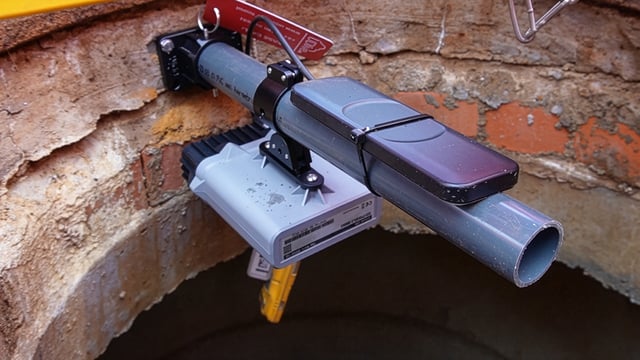
Vancouver-based SenseNet has acquired the wildfire detection division of Rockville, Maryland-based N5 Sensors, the companies confirmed this week, as the Canadian sensor and satellite fire-detection firm moves to expand its footprint in the United States. The deal brings N5’s wildfire hardware, its client base, and its wildfire-focused staff under SenseNet, though financial terms were not disclosed. The transaction comes as wildfires strain emergency response systems on both sides of the border, with Canada on pace for its fourth-worst fire season on record and several major US fires burning through the summer.
Deal Structure and What Changes for Customers
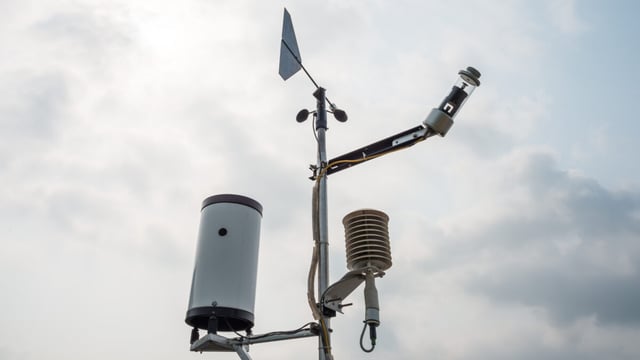
Under the agreement, all N5 employees working on the company’s wildfire unit will move to SenseNet, along with N5’s proprietary fire-detection sensors and its existing customer contracts. SenseNet founder and chief executive Hamed Noori said the acquisition reflects a deliberate push to establish a stronger US base rather than build one from scratch. N5 will continue operating its other product lines, including chemical and hazard-detection sensors for military and transportation applications, separately from the wildfire unit now owned by SenseNet.
A Reversal of a Familiar Canadian Tech Pattern
Canadian technology companies have more often been the ones acquired by larger US or international buyers than the reverse, making SenseNet’s purchase of a US company’s business line something of an outlier. Noori has framed the deal as leveraging SenseNet’s experience managing an increasingly severe Canadian fire season to serve US regions, including states less accustomed to large-scale wildfire risk. He named Tennessee as a target market with comparatively little existing fire-detection infrastructure, alongside states with established wildfire exposure such as Colorado and parts of California.
Considering a deal like this?
Kurrant advises buyers, sellers and investors in smart city and utility technology, from target search to closing.
- Heyliot sale to BH Technologies
- Engie: Flashnet sale to Lucy Group
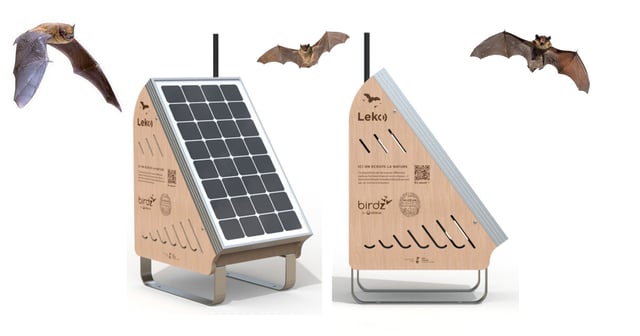
- Birdz (Veolia) business carve-out
Federal Oversight Findings on N5’s Sensor Performance
The acquisition follows a US Department of Homeland Security Office of Inspector General audit published in April 2026, which found that wildfire sensors developed and deployed by N5 under a DHS Science and Technology Directorate contract running from 2020 through 2024 did not consistently detect fires or issue early warnings to state and local partners. The report attributed the inconsistency to both technological limitations in the sensors’ AI detection algorithms and environmental factors, particularly wind speed and direction, that degraded performance. According to reporting from Wildfire Today, the roughly $3 million pilot deployed around 300 sensors across California, Colorado, Hawaii, Tennessee, and parts of Canada, and while the sensors did detect some fires ahead of 911 calls, that performance was not consistent across the test sites. The DHS contract with N5 ended on December 31, 2024. Noori said SenseNet was aware of the findings before the acquisition and that the report had no bearing on the company’s decision to proceed, adding that N5’s existing customers would gain access to SenseNet’s full detection platform once migrated.
SenseNet’s Technology and Market Position
Founded in 2019 and a graduate of TiE Vancouver’s Incubation Lab, SenseNet has evolved from a sensor-only startup into a broader wildfire intelligence platform combining ground-based gas sensors, long-range AI-powered cameras, satellite and drone data feeds, and predictive modeling of fire behavior. The company reported roughly $10 million CAD in annual revenue, with about 65 percent of its customer base in the private sector, including heavy industry, mining, and telecommunications providers such as Rogers, and 35 percent in the public sector. SenseNet has said its network monitors more than 300 million acres for fire risk, and the company raised a $14 million Series A round in October 2025 led by Stormbreaker with participation from Thin Line Capital, Fusion Fund, Plaza Ventures, FOLD36 Capital, and B Current Impact Investment, a raise that Kurrant reported was aimed at funding US expansion and deeper integration with emergency management platforms. The company says it currently employs just over 50 people and expects to reach 100 by the end of the year including staff joining from N5.
Wildfire Severity Driving Demand on Both Sides of the Border
The acquisition lands amid one of the more damaging wildfire seasons in recent Canadian history. According to Public Safety Canada, more than 4.1 million hectares had burned across 4,793 fires nationally as of August 18, 2026. Northwestern Ontario’s Thunder Bay 36 fire, which merged with several smaller fires to form what is now called the Rinker Complex, grew to become the largest wildfire in Ontario’s recorded history, destroying the community of Namaygoosisagagun First Nation and forcing evacuations at Whitesand and other First Nations communities. In British Columbia, the Bald Range wildfire near Summerland forced the evacuation of the entire community of roughly 12,000 residents along with thousands more from Peachland, and RCMP confirmed the death of an 80-year-old woman who was attempting to flee.
Vendor Landscape and Competitive Context
SenseNet operates in a wildfire-detection technology sector that has drawn growing venture and government interest as fire seasons intensify globally. Competitors include OroraTech, which uses satellite partnerships for fire monitoring, and Argentina’s Satellites on Fire, a software-only satellite-aggregation platform that Kurrant has reported claims detection speeds ahead of NASA’s FIRMS system. SenseNet has also built out integration partnerships beyond direct sensor deployment, including with emergency-management software provider Juvare to feed detection data into incident-management workflows used by public safety agencies.