in Barcelona
 3 to 5 Nov 2026
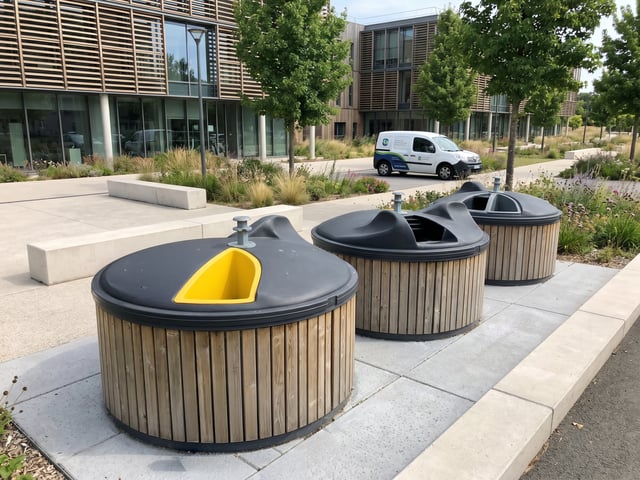
Washington’s Department of Public Works (DPW) has launched a new initiative to promote composting by installing 30 food waste “smart bins” across the district. These bins provide residents with convenient drop-off points for food scraps, supporting the city’s zero-waste goals.
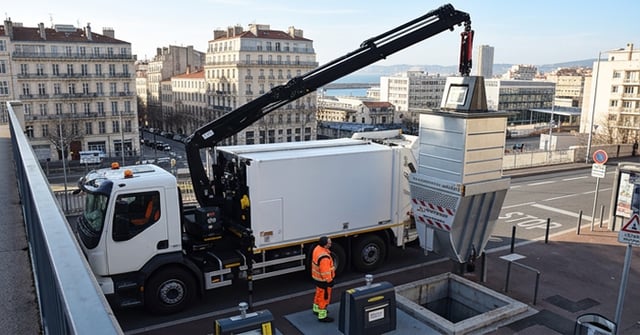
These bins are supplied by metroSTOR, a company specializing in waste management solutions. Accoriding to the vendor the metroSTOR F-Series organics carts feature controlled access via the metroKEY Bluetooth Low Energy (BLE) smartphone app or an electronic keypad system, foot pedal operation for hands-free use, and a rodent-resistant design to prevent pest intrusion. Optional 3D ultrasonic fill-level sensors allow DPW to monitor fullness levels and optimize collection schedules, thereby reducing unnecessary pickups and vehicle emissions
Locations for the bins were selected based on community input gathered through meetings held in all eight wards. Priority was given to ensuring accessibility, particularly for residents in multifamily housing such as apartments and condominiums.
This initiative complements two existing composting programs in Washington: food waste drop-off sites at farmers’ markets and community locations, and a curbside composting pilot serving 9,000 single-family households. Collected organic waste is processed into compost, which is used by farmers, landscapers, and gardeners, and sold locally.
The program aims to divert 80% of waste from disposal, aligning with the district’s broader sustainability objectives.