in Barcelona
 3 to 5 Nov 2026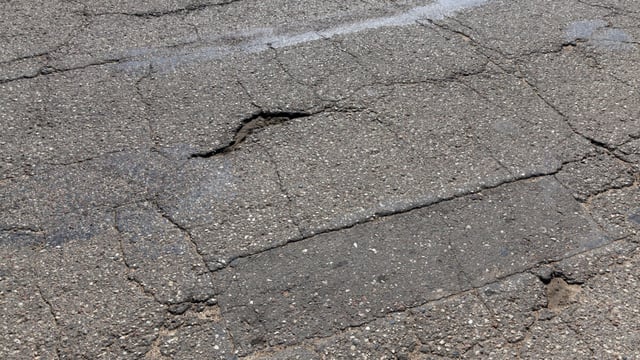
West Sussex County Council, the highway authority for the English county of West Sussex, has begun a multi-year trial that fits dashboard-mounted cameras with artificial intelligence to 8 of its highway inspection vehicles, according to a council announcement dated 5 October 2026 and reported by LocalGov on 6 October 2026. The cameras are designed to identify potholes, cracking, surface deterioration and faded road markings automatically, with the footage uploaded to the council’s Confirm highway asset management system for review and validation by inspectors.
The council has not named the technology supplier, disclosed a contract value or given an end date for the trial, which it describes only as multi-year. Those omissions matter because they determine whether the exercise can be compared with other authorities’ deployments or priced for wider use.
A Network Of More Than 2,500 Miles Inspected Largely By Eye
West Sussex County Council states on its Better Roads campaign pages that it maintains more than 2,500 miles (4,000km) of road, and that it is investing £60.7 million in highway maintenance and improvement this year. Of that total, £40 million funds more than 230 schemes, 130 of which involve carriageway patching or resurfacing, while £20.7 million covers routine maintenance. The council also reports that it has repaired more than 13,500 potholes since 1 April 2026.
Statutory highway inspection in England has traditionally relied on trained inspectors who drive or walk routes at set frequencies and record defects against intervention criteria. The process is labour intensive, exposes staff to live traffic and produces records whose consistency depends on the individual inspector, which is the gap the trial is intended to test.
How The Camera Footage Reaches The Inspector
Under the trial design described by the council, the cameras run continuously on the inspection vehicles and classify what they see, so that a defect candidate arrives in Confirm already flagged and located. The inspector then validates or rejects each flag, which keeps a named officer accountable for the decision to record or act on a defect.
That human validation step is the part of the workflow with legal weight. A highway authority defending a third-party claim relies on its inspection records, so the cost of a false negative that an inspector never sees, or a false positive that consumes inspection time, will be visible in the trial data. The council has not published detection thresholds, accuracy targets or the defect-size criteria the cameras are calibrated to.
What The Council Says It Will Measure
The announcement lists the questions the trial is meant to answer: whether the system raises the number of miles inspected per shift, reduces repeat visits to the same location, speeds up reporting, improves inspector safety and cuts journeys and fuel consumption. None of these is accompanied by a baseline figure or a target in the material published so far.
Cllr Erika Woodhurst-Trueman, Cabinet Member for Highways and Transport at West Sussex County Council, framed the trial as part of the authority’s existing road programme. “Improving our roads remains a key priority and this trial forms part of our wider Better Roads commitment,” she said in the council’s 5 October 2026 announcement.
Market Context: Vehicle-Mounted Defect Detection Moves Into Routine Inspection
Councils across England have spent several years testing camera and sensor systems that scan carriageways from refuse lorries, inspection vans and dedicated survey vehicles, with suppliers ranging from specialist road-survey companies to software start-ups selling analytics by subscription. Adoption has been constrained less by detection capability than by integration with the asset management systems that authorities already use to raise and track defects, which is why the Confirm link in West Sussex is the more informative detail in the announcement.
Fitting 8 vehicles gives the council a sample large enough to compare camera-assisted inspections with conventional ones on the same routes, though the announcement does not say whether that comparison will be run side by side. The council has also been testing other technology on its structures, having worked with Balfour Beatty Living Places on drone inspection of bridges, where it reported savings of about £8,000 against conventional methods on the pilot sites; that figure comes from the contractor and council statements as reported by Highways Magazine and has not been independently audited.
What The Trial Does Not Yet Answer
Without a named supplier, there is no public way to check claimed detection rates against independent benchmarks or to see how the system handles West Sussex conditions such as narrow rural lanes, tree shade and wet surfaces. Without a contract value, the cost per mile inspected cannot be set against the £60.7 million maintenance programme or against the inspector hours it is meant to save.