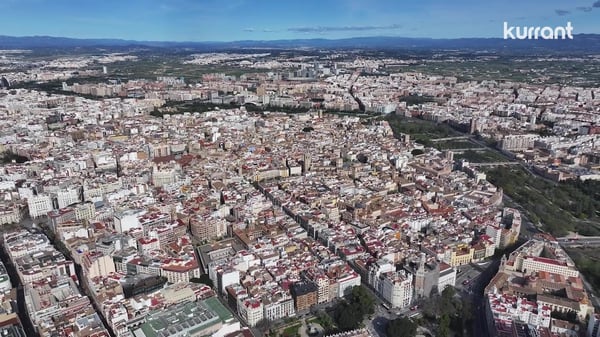
 in Barcelona
 3 to 5 Nov 2026
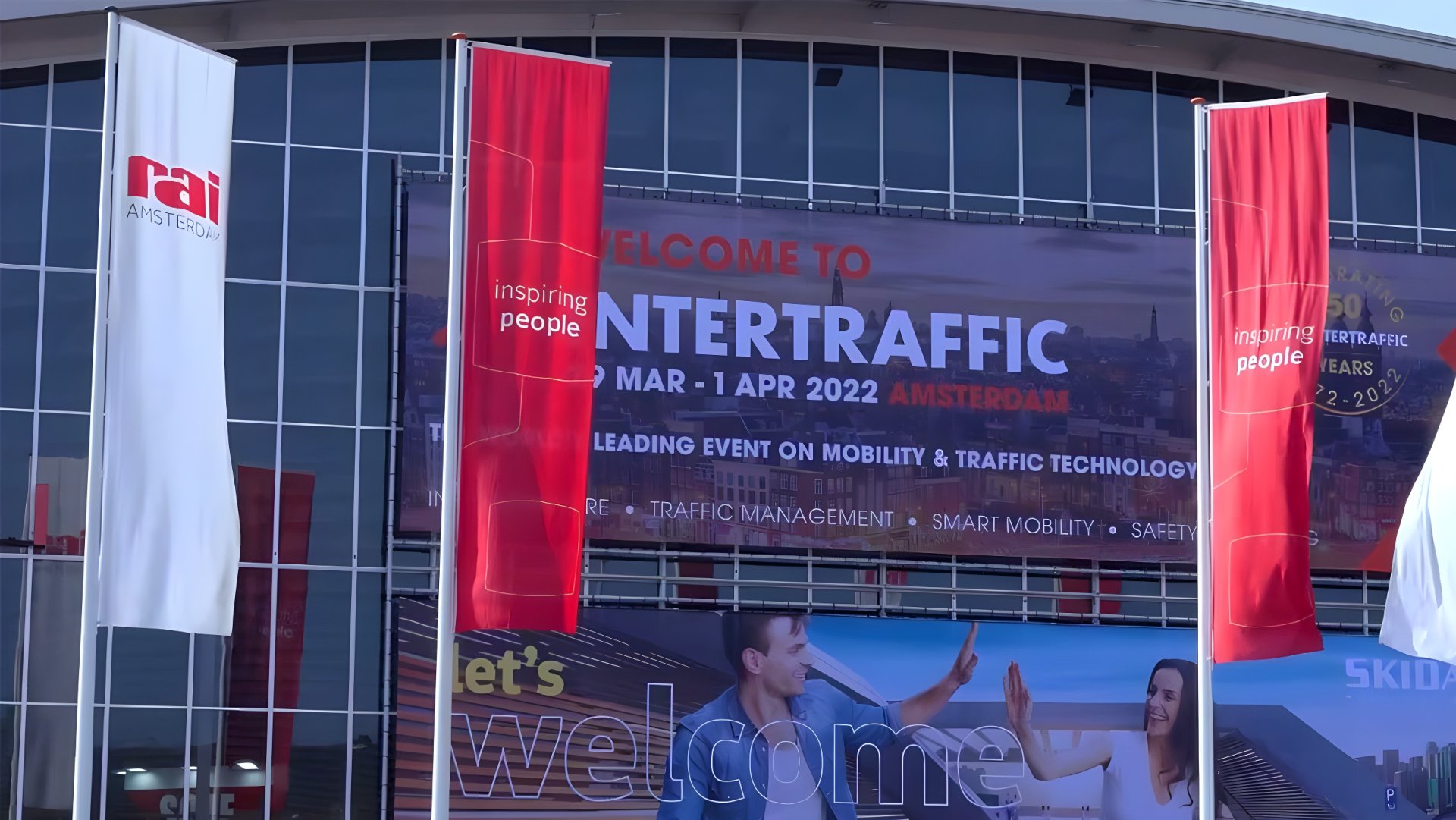
Intertraffic Amsterdam 2024
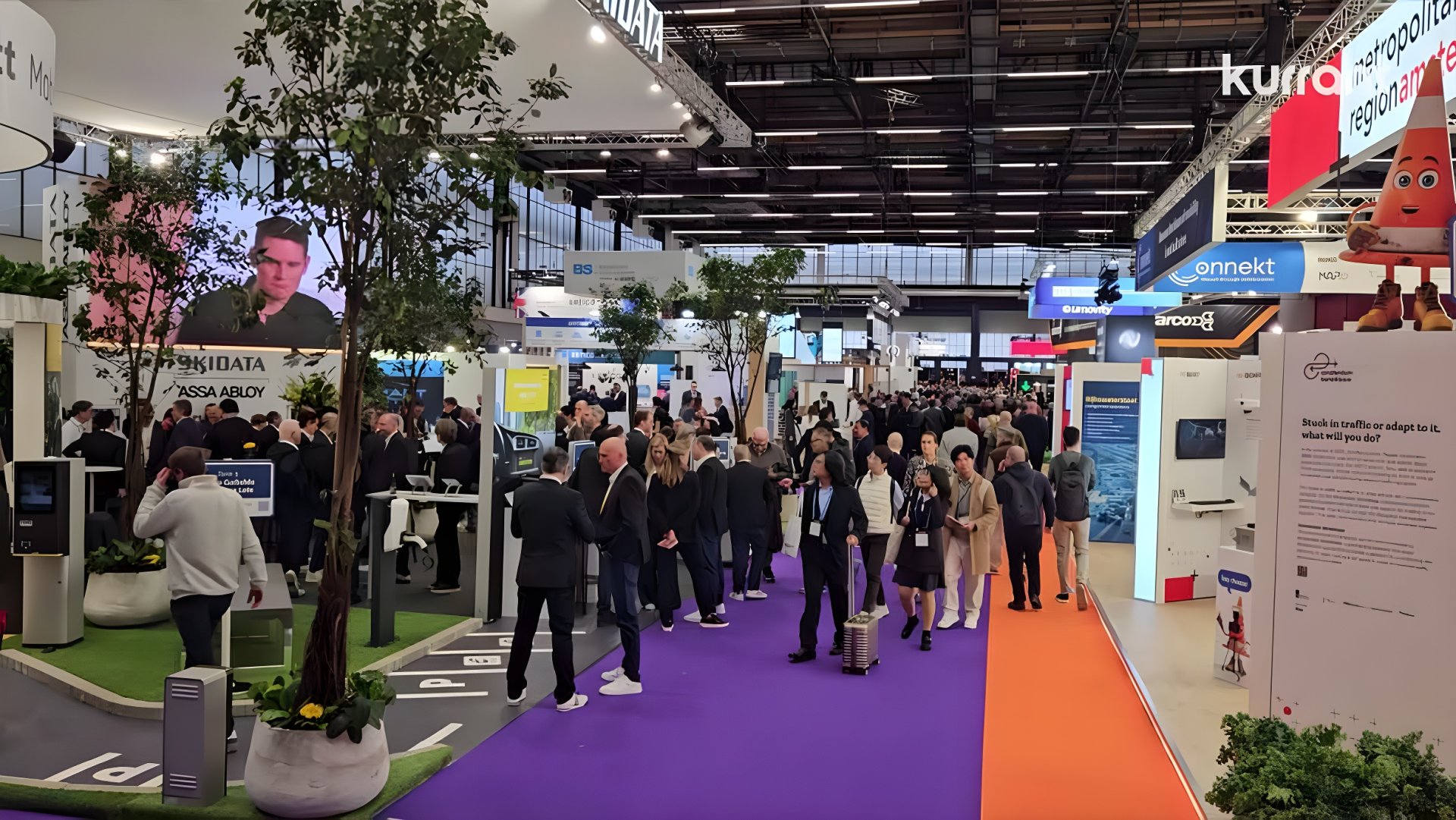
Intertraffic provides a unique opportunity to discover the latest advancements in traffic management, smart mobility solutions, and sustainable transportation. More than 800 exhibiting companies are expected for this 2024 event.
Intertraffic Trends Show Key Role of Mobility in Smart City Industry
📖 Read Video Transcript
During this year's edition of Intertraffic, we've seen trends that we normally see during smart city events, proving the importance of mobility in the smart city industry.
Artificial intelligence was written on many booth walls, proving that the interest in this technology only continues to grow.
During this event, we had to ask what are the next big trends when it comes to smart mobility and how will they affect the smart city industry?
Obvious trends, artificial intelligence.
It's all over.
You can read it all over.
And also openness and data sharing of systems, platforms and, you know, all the solutions we see around.
And I think that's trends we've seen in the past as well. but I think they're here now.
So I think smart city, mobility is very strong interlinked obviously, and it's usually what we perceive even the first step to start with mobility data gathering and then adding additional data sources and trying to build meaningful applications and use cases on top of that.
The sustainability of traffic and transportation, I think, is one of the trends.
And, that means to increase the the soft mobility of the cities and also to reduce traffic jams and pollution.
I think that they should focus on this because, more and more the cities, above all the big cities, are full of people, full of vehicles.
And, it means that the life is becoming more and more difficult when you have to move from one side to another.
So they should invest in public transportation, in soft mobility.
They should understand how the flow and the people are moving in order to adapt.
Big trends that I saw is, the need of road data, through AI, sensor, through cameras or sensor of different kind which means, ultrasonic sensors, larger sensor.
Are the first needs to collect road data.
And road data are the basis to improve the systems over the needs of the smart cities.
Walking around Intertraffic, you can tell basically three trends.
First one, of course, the buzzword of the year, artificial intelligence.
Every company is working on integrating artificial intelligence.
And it will be a huge tool for us for now and in the future.
The second one is digital twins.
A lot of companies, but also, cities will start using digital twins to perform modeling.
So you don't need to put out these boxes in the street and sensors in the streets.
If you can have a digital copy of your city and do all the modeling in there to make your city more sustainable.
The third one I see is the use of open source data to make your company just simply more ready for the future and to scale up your technology.
At Intertraffic I saw a lot of digital solutions, which can be used, for digital twins to build up digital twins.
And they use it to aggregate all kind of data into one solution, into one visualized digital twin of a city.
Data traffic, which is my field, it can be used in a digital twin, which is a part of a smart city, to analyze things, to visualize things, and to monitor broader parts of a city.
There are three main trends we've recognized this year in Intertraffic.
The first one are the integrated smart mobility platforms, where you can integrate into one single smart platform, traffic management, public transport management, micromobility and all the different elements you have in the mobility scheme of our city.
The second one is, the incorporation of drones like this one we have in our background in our booth and the third one is the electrification of public transport.
So for us, all the things we are seeing at Intertraffic and the things we are bringing with us, to show and to demonstrate, are really in the core of a smart city, because it determines how a space is used, how people live and move around the city.
So it's very important that you have the right mobility scheme.
The role of mobility is very important to build a smart city.
Many aspects of it touch the daily lives of citizens, whether through personal transport methods, shared ones or public ones.
And it takes a lot of physical space, So the collection of mobility data is key for a better management of municipalities.
And from talks we had during the event, mobility data is set to also help cities with other verticals, something we'll explore in a mobility data video from the event.
About Intertraffic Amsterdam 2024
Intertraffic provides a unique opportunity to discover the latest advancements in traffic management, smart mobility solutions, and sustainable transportation. More than 800 exhibiting companies are expected for this 2024 event.
More Intertraffic Amsterdam editions
Latest Kurrantly News
All news Intellihub Acquires Taggle Systems For A$50M To Add Water Metering Network And Aqualus Software
 Quincy Replaces 50 Flock Safety License Plate Cameras With Axis Hardware Running OdinEye
 Modaxo Acquires Brazilian Traffic And Tolling Supplier Fiscaltech
 Aléria Closes €793,236.52 Street Lighting Renovation Backed By State, Corsican Agency And EDF
 Hameln-Pyrmont Tenders Open Source Urban Data Platform
 Landkreis Hof Opens TauSENSE App To Public Using Data From 130 Road Dew-Point Sensors
Latest Kurrant Originals
See all
Kurrant advisory
Planning a smart city or utility project? Talk to Kurrant.
Behind these interviews is Kurrant's advisory team, working with utilities, cities and the companies that serve them.
- Strategy AdvisoryKurrant is actively involved in resolving the challenges that cities, utilities and industry players are facing.
- M&A AdvisorySmart city and utility expertise for successful deals, turning insights into strategic gains.
- Engineering & ProcurementBetter engineering and procurement decisions, by identifying and developing digital and IoT solutions across use cases.
Or write to us: contact@kurrant.com
Send us a message
© Kurrant. All Rights Reserved. · Editorial Standards · Cookie settings
This site is protected by reCAPTCHA and the Google Privacy Policy and Terms of Service apply.