in Barcelona
 3 to 5 Nov 2026
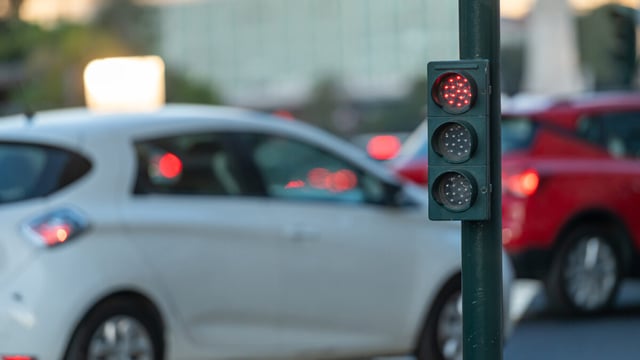
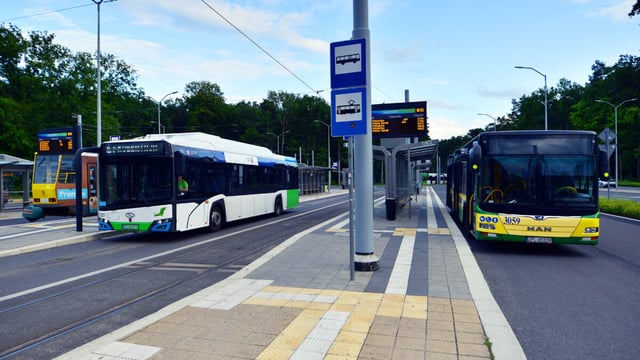
The Massachusetts Bay Transportation Authority (MBTA) and the City of Boston are collaborating on a citywide expansion of Transit Signal Priority (TSP) to enhance bus speed and reliability. This initiative follows a successful pilot program along Brighton Avenue, part of the MBTA’s Better Bus Project.
During the pilot, TSP was implemented at three intersections, reducing red light delays by 21% and improving travel times by 8%, saving a cumulative 110 minutes on weekday travel. Building on these results, the partnership will upgrade Boston’s Traffic Management Centre to integrate real-time bus locations into traffic signal adjustments. Currently, up to 50% of transit delays occur at red lights, and the upgrades aim to address this issue, improving overall service efficiency.
The expansion involves collaboration with Boston’s traffic signal vendor, Control Technologies, Inc (CTI), and machine-learning TSP provider, LYT. These upgrades should enable dynamic signal timing adjustments based on real-time bus locations.
The initiative aligns with broader efforts to enhance public transport reliability and efficiency for daily commuters. The MBTA and the City of Boston will continue monitoring performance metrics to ensure effective implementation of the TSP upgrades.