in Barcelona
 3 to 5 Nov 2026
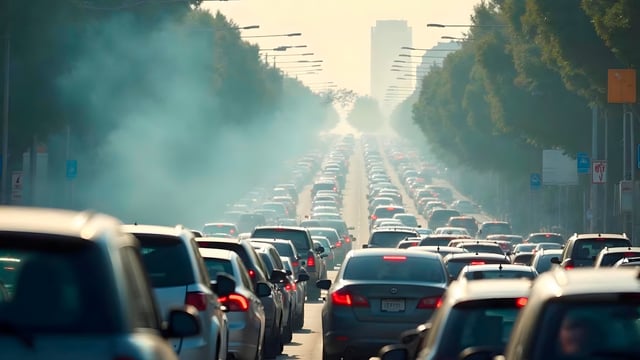
Bristol City Council has selected Yunex Traffic’s adaptive traffic control platform Yutraffic FUSION to manage and optimize traffic flows across the city. The decision marks a key move to support sustainable transport, reduce congestion and improve air quality while accommodating Manchester’s growing population.
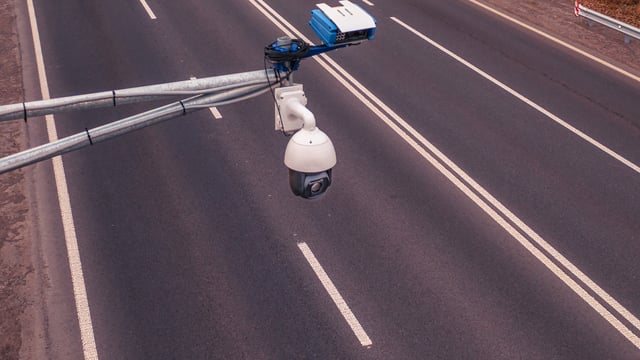
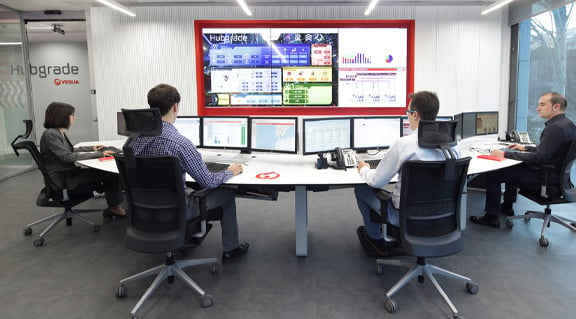
Yutraffic FUSION is a multimodal, real-time traffic management and signaling solution designed to optimize movement across all transport modes, cars, buses, bicycles, pedestrians, HGVs, emergency vehicles, and more. Unlike traditional traffic control systems that prioritize vehicular flow alone, FUSION uses data from a broad array of sources and a digital-twin model to simulate and manage entire networks. The system enables configurable policy-driven optimization: signal priority can be allocated per junction or corridor depending on modal priority (e.g., favoring buses or cyclists), and networks can be managed holistically rather than intersection by intersection.
Why Bristol Selected It
According to the announcement, Bristol’s choice is motivated by several interrelated policy goals: supporting a growing population, promoting active travel (walking, cycling, public transport), and improving air quality and journey times across all transport modes. The adaptive and multimodal nature of FUSION aligns with these ambitions.
The city is aiming to develop more active-travel infrastructure (e.g., segregated cycling lanes, bus gates), the signal control system can be reconfigured to support such priorities without major new hardware installations.
Once implemented, the city is hoping to experience smoother traffic flows and shorter journey times along with a shift in modal balance, with the ability to favor public transport, walking, or cycling.