in Barcelona
 3 to 5 Nov 2026
Cleveland’s Division of Air Quality has launched a new network of air quality sensors in neighborhoods identified as high-risk for pollution-related health issues. The sensors, part of the CLEANinCLE Air Quality Monitoring Dashboard, provide real-time data on air pollution levels, helping residents make informed decisions about outdoor activities.
The initiative, funded by a $500,000 U.S. EPA grant, includes Synetica 30 sensors, with 22 already installed. The devices measure fine particulate matter (PM 2.5), which is linked to respiratory conditions like asthma and COPD. PM 2.5 is primarily emitted by vehicles, industrial plants, and secondary sources like dust from roads and construction sites.
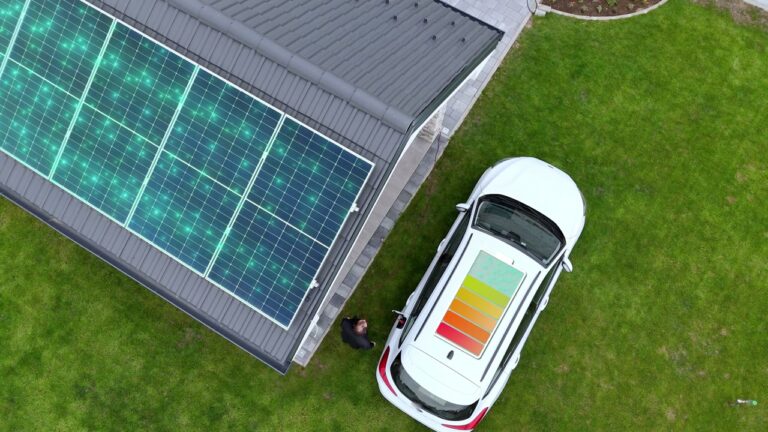
Sensor locations were chosen based on community input and areas with high asthma rates, such as Collinwood and the “Forest City” region. The solar-powered sensors are mounted on power poles and rooftops, transmitting data via a long-range network to ensure coverage across the city.
The project, developed in collaboration with Case Western Reserve University, aims to provide both residents and city officials with actionable data to monitor air quality trends and enforce pollution controls. The CLEANinCLE dashboard complements existing networks like AirNow and PurpleAir, offering a localized and accessible resource for Cleveland residents.