in Barcelona
 3 to 5 Nov 2026

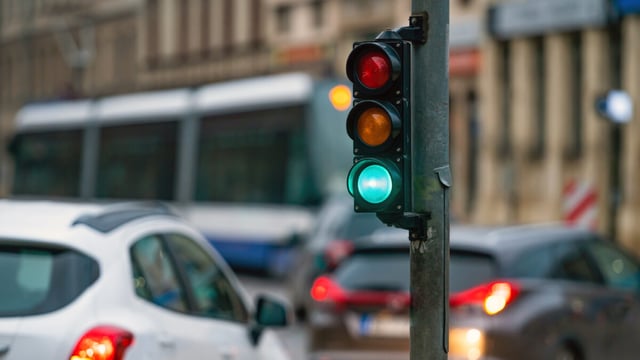
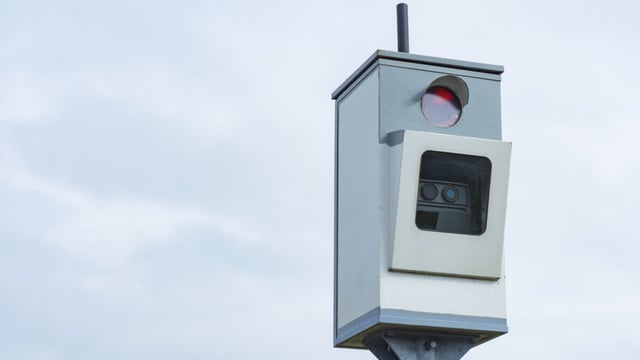
Mexico City’s Digital Agency for Public Innovation (ADIP) said on 19 November 2026 that the city is set to install adaptive traffic signals in three phases from 2027, Once Noticias reported. The system uses cameras and sensors to detect traffic and adjust signal timings automatically, giving priority to Metrobús, Trolebús and Tren Ligero vehicles.
Why: The Most Congested City In TomTom’s Index
Mexico City ranked first of 492 cities in the TomTom Traffic Index for 2025, with a congestion level of 79.5% and 184 hours lost per driver per year. It also ranked first in 2024.
Mayor Clara Brugada promised to modernise the signal network in her inauguration speech in October 2024. In her second annual report to the city congress in October 2026, she said installation would take place during 2027.
This project is heading to tender
New smart mobility tenders worldwide, flagged daily with an AI summary.
The current network is fragmented. Héctor Ulises García Nieto, head of the city’s mobility ministry Semovi, told the city congress in early November 2026 that the city runs four separate signal subsystems, some still electromechanical, Chilango reported. He said the current supplier holds the patent on the city’s signal communication systems, and that the city wants to run the network without depending on a third party.
Budget And Operators
Semovi put the first phase at MXN 1,000 million (€47M) in 2027, according to press reports of the hearing. The ministry projects that travel times on equipped roads fall by 10% to 20%.
Operation is to be shared between Semovi, the traffic division of the Secretariat of Citizen Security, the C5 command and control centre and ADIP. Priority for the city’s RTP buses is set to follow the rail and trolleybus networks.
Figures from the city congress in 2022, reported by Motorpasión, put the network at just over 3,000 signalised intersections, about 1,350 of them computerised.
Bogotá As A Regional Benchmark
Bogotá’s 2017 traffic signal tender asked for open technology to avoid supplier lock-in. In December 2017 the city awarded a COP 173,000 million (€45M) contract to a consortium of Siemens and Colombian firm Sutec, covering about 1,500 intersections and 637 sensors. The city projected travel times on main corridors falling by up to 30%.
What Happens Next
The first phase is due to be installed during 2027, with MXN 1,000 million earmarked for it. Two further phases are planned after that.