The U.S. Department of Transportation has awarded $14.8 million in Stage 2 funding to Minneapolis and Seattle through the Strengthening Mobility and Revolutionizing Transportation (SMART) Grants Program. This grant builds upon the $2 million each city received in 2023 under President Biden’s Bipartisan Infrastructure Law, aiming to improve transportation systems with advanced technologies.
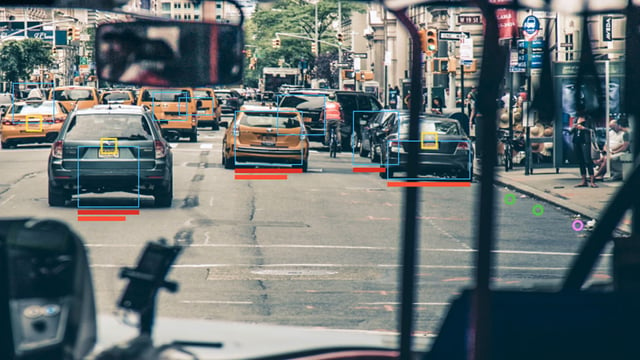
Both cities are addressing the increasing demand for limited curb space in urban business districts. Data from Stage 1 revealed significant non-compliance with curb regulations, highlighting the need for updated policies, permit systems, and signage to enhance safety and efficiency.
Stage 2 funding will support initiatives such as:
Track tenders like this
New smart mobility tenders across Europe, flagged daily with an AI summary.
- Enhanced Curb Management: Expanding vehicle detection sensors and utilizing data to improve commercial load zone compliance.
- Digital Curb Data Platforms: Developing systems to track curb asset inventories and usage, facilitating informed decisions for cities and freight carriers.
- Collaboration with Freight and Logistics Companies: Engaging industry stakeholders to create tools that optimize deliveries and reduce delays.
The partnership is facilitated through the Open Mobility Foundation’s SMART Curb Collaborative, which includes cities like Seattle, Portland, San Francisco, San José, Los Angeles, Minneapolis, Philadelphia, Boston, Buffalo, and Miami-Dade County. This collaborative approach aims to tackle common challenges in curb management by leveraging shared technologies and data standards, specifically the Curb Data Specification (CDS).
To streamline procurement for these initiatives, the cities are utilizing collaborative procurement strategies. Organizations like Sourcewell have developed RFPs and managed processes for national, competitive solicitations that meet local requirements. This approach allows cities to quickly and efficiently acquire the necessary technologies and services for effective curb management.
The collaboration between Minneapolis and Seattle aims to serve as a model for other municipalities seeking to enhance urban mobility and curb management through innovative, data-driven approaches.