in Barcelona
 3 to 5 Nov 2026
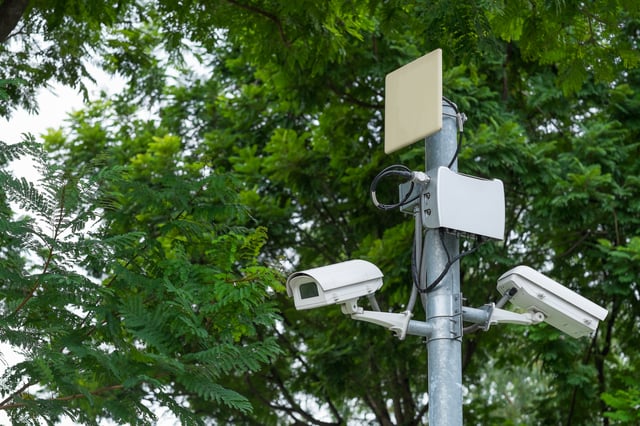
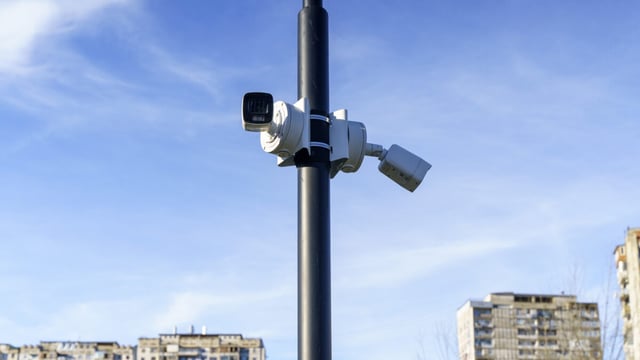
As Paris prepares for the 2024 Summer Olympics, the city has rolled out AI-powered video surveillance, debuting during Taylor Swift’s concert and soon to be utilized at two Paris metro stations. This technology, designed to detect suspicious activities such as abandoned packages and weapons, is also being tested at the Cannes Film Festival, monitoring 40,000 attendees and high-profile movie stars with 17 experimental AI cameras. Cannes, already equipped with the densest video protection network in France, boasts 884 cameras.
In preparation for the Olympics, the French Ministry of the Interior has selected back in January three companies for its smart video surveillance pilot program. Wintics secured two lots for algorithm deployment in the Île-de-France region and the transportation sector, while Videtics and Chapsvision each secured one lot. Each lot is estimated at €2 million, highlighting the significant investment in enhancing security. AI technology aims to detect predefined situations like abandoned objects or crowd movements, explicitly excluding facial recognition.
Despite concerns about potential system failures and privacy issues, local authorities are optimistic about the benefits of this advanced surveillance for major events, including the highly anticipated Olympics starting in July.