in Barcelona
 3 to 5 Nov 2026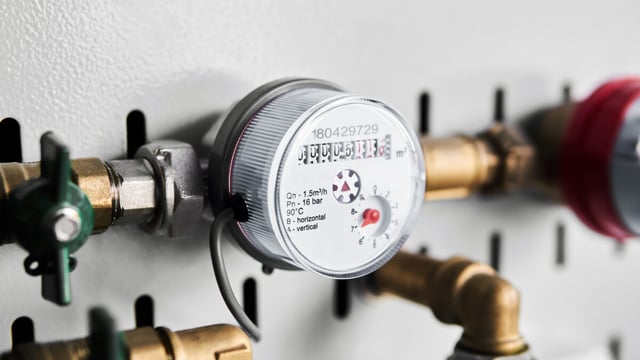
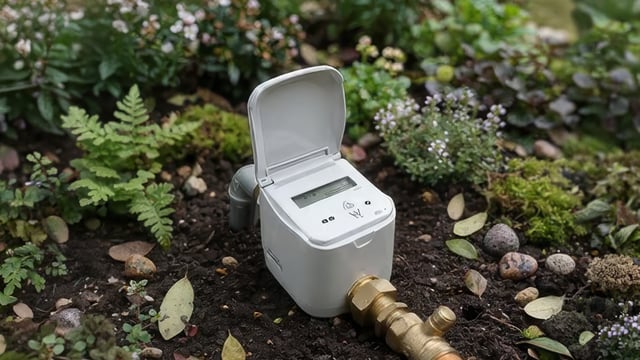
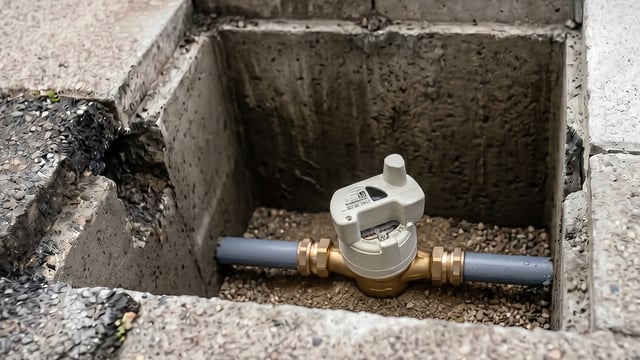
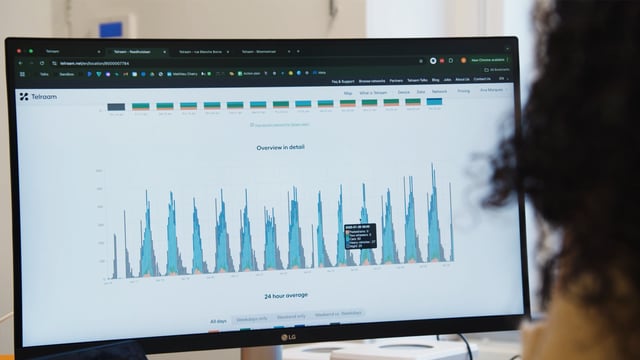
The commune of Porto-Vecchio in Corse-du-Sud will equip 12,800 water meters with remote reading in a €1 million project to be completed by June 2028, according to a report published by Corse Matin on 17 October 2026 and summarised by Tous pour l’eau. The programme gives residents an online tool showing daily consumption and gives the water service leak detection and alerts for unusual usage, in a service that supplies an estimated 11,382 residents on the south-east coast of Corsica.
A €78.13 Per-Meter Budget For A Larger Stock Than Today’s
The project cost works out at €78.13 per meter on the reported figures of €1 million and 12,800 devices. The scope exceeds by 978 units the 11,822 meters recorded in the service’s 2024 annual report, in which 437 meters were replaced during the year, and the service has 11,828 subscribers, of which 11,826 are domestic and two are non-domestic.
Jacky Agostini, the elected official responsible for finance and major projects, presented the system as a way to encourage residents toward more responsible consumption, according to the Corse Matin report as summarised by Tous pour l’eau.
A Delegated Service Running Until 30 June 2028
Drinking water in Porto-Vecchio is supplied under an affermage contract, number YS720, which began on 1 July 2016 and ends on 30 June 2028, with the Société des Eaux de Corse, a subsidiary of Kyrnolia, named as the delegate in the 2024 annual report. The June 2028 completion target for remote reading therefore coincides with the end of the current delegation, and the meter fleet will pass through that handover.
The network that the meters serve is 318 km long, of which 279 km are distribution mains excluding service connections, and the service produced 3,131,416 m³ in 2024 while buying a further 2,221,469 m³ from other water services. Volumes sold to customers were 2,346,446 m³ and authorised consumption was 2,509,286 m³, according to the same report.
On the report’s network length, the 11,822 meters in service equal about 37 meters per kilometre of network, or about 42 subscribers per kilometre of distribution main, a density that sets how many reads each kilometre of leak-prone pipe can report back once daily readings replace periodic ones. These densities are calculated from the report and are not stated in it.
Baseline Performance In The 2024 Delegate Report
The report records a network yield of 80.1% in 2024, up from 78.3% in 2023, a gain of 1.8 percentage points, and 195 leaks repaired during 2024 against 155 in 2023. Both measures were recorded before the remote-reading rollout, which makes them the starting point for any later comparison.
The Journal de la Corse, citing figures for 2022, reported in October 2025 that Porto-Vecchio lost 677,000 m³ out of 3.2 million m³ distributed, which is about 21% on a calculation from those two numbers, and that some Corsican communes record network yields below 50%, according to its analysis of water resources on the island.
Supply Cuts In Autumn 2025 Raised The Stakes
The remote-reading project follows a supply crisis in the south of the island. In October 2025 nine communes fed by the Figari dam, among them Porto-Vecchio, Bonifacio and Sotta, were placed under water-use restrictions, and the operator cut supply every night from 22:30 to 06:00 to about 4,300 subscribers in Porto-Vecchio, Bonifacio and the Ribba district, while cutting 900 raw-water subscribers until further notice, according to L’Info Durable.
Production fell by about 13,000 m³ a day after the restrictions took effect, against a consumption target of 15,000 m³ a day that was still being exceeded, and the Journal de la Corse reported that the Ospedale and Figari reservoirs held about 7 million m³ in spring, which at an average summer drawdown of 50,000 m³ a day lasts roughly four months. “There have not been cuts like this for at least 10 years,” said Jérôme Salvi, managing director of Eaux de Corse, a Kyrnolia subsidiary, in remarks reported by L’Info Durable on 13 October 2025.
Corsica Is Adding Metering Capacity Across The Island
The Porto-Vecchio project sits alongside other metering programmes on the island and in mainland France. The Office d’Equipement Hydraulique de Corse, the public body responsible for water infrastructure across Corsica, announced in June 2026 that it would replace its fleet of 10,000 mechanical meters with ultrasonic solid-state devices supplied by Itron, with full deployment targeted for 2030 and a target of saving 5 million m³ a year by 2035, in a network where the utility can currently bill about half of the water it delivers, and Perpignan Méditerranée Métropole is deploying 120,000 smart water meters by 2026 using Kamstrup flowIQ 2200 meters with acoustic leak detection.
Against those programmes, the Porto-Vecchio fleet of 12,800 meters is 2,800 units larger than the 10,000-meter fleet of the island’s hydraulic office and equal to about 10.7% of Perpignan’s 120,000, though it covers the customer base of a single commune and not a metropolitan network or an island-wide bulk supplier.
What The 2028 Handover Will Measure
The commune’s remote-reading rollout and the delegation’s end date fall in the same month, so the 80.1% network yield reported for 2024 will serve as the reference against which the commune can judge what daily data and leak alerts achieved when it sets the terms of the next water service contract.