in Barcelona
 3 to 5 Nov 2026
Greece’s second-largest city is taking a significant step toward modernizing its water infrastructure. EYATH S.A., the municipal utility serving more than 1.2 million residents in the Thessaloniki metropolitan area, has partnered with Itron and local channel partner IDATOR S.A. to deploy advanced metering infrastructure over the next five years. The initiative targets a 20% reduction in the utility’s water footprint by 2030, primarily through enhanced leak detection and non-revenue water management.
A Multi-Layered Technology Stack for Digital Water Transformation
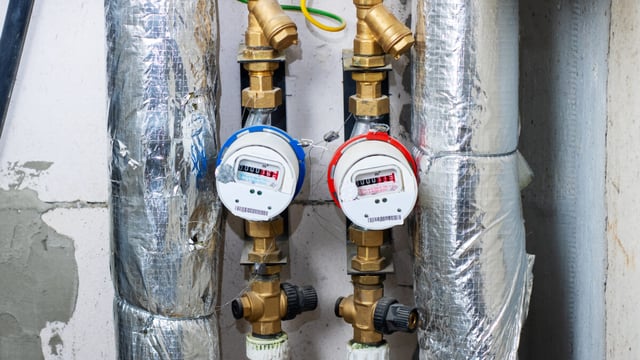
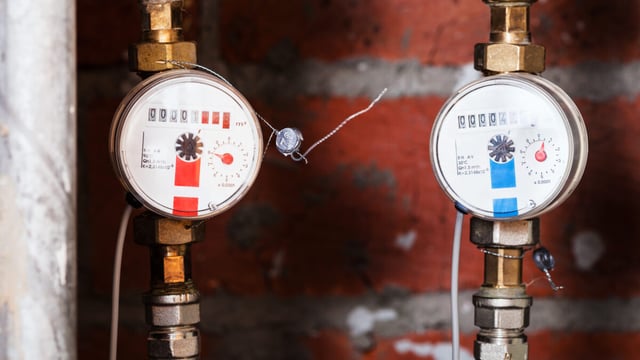
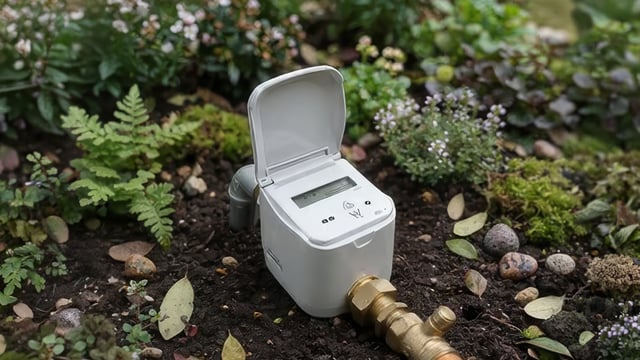
The deployment encompasses several integrated components from Itron’s portfolio. At the core are Intelis wSource ultrasonic smart meters, which use solid-state technology to maintain measurement accuracy throughout their operational lifetime. These devices provide real-time leak detection capabilities and generate alerts for anomalies in consumption patterns.
Data from the meters will be collected through Temetra, Itron’s cloud-based meter data collection platform designed to work across multiple vendor technologies. The system feeds into a meter data management platform delivered as a software-as-a-service solution, enabling EYATH to consolidate information from both new Itron devices and existing meters from other manufacturers into a unified management interface.
This vendor-agnostic approach should allow the utility to modernize infrastructure incrementally rather than requiring immediate wholesale replacement of legacy equipment.
Local Implementation Partners Provide On-Ground Expertise
IDATOR, which has operated as a water equipment supplier in Greece since 1969, serves as Itron’s exclusive channel partner for the project. The company is coordinating deployment activities alongside FLOWTEC, a Greek technical firm specializing in water and wastewater infrastructure projects.
The partnership structure positions local organizations to manage day-to-day implementation while leveraging Itron’s technology platform and global experience with large-scale AMI deployments.
Part of a Broader Digitalization Program Worth Nearly €50 Million
This collaboration follows a framework agreement EYATH signed in September 2025 for the supply, installation, and operation of 200,000 smart water meters. That contract, awarded to two separate consortiums through an international tender, carries a maximum value of approximately €49.5 million over five years with potential extension for two additional years.
Combined with 50,000 high-precision meters recently installed across the utility’s service area, the program aims to replace roughly half of EYATH’s total meter fleet with precision measurement devices. The utility has pursued digital water management capabilities since launching a research project in 2017, followed by pilot testing on the Aristotle University of Thessaloniki campus.
Addressing Greece’s Water Infrastructure Challenges
The investment arrives as Greece confronts mounting pressure on its water systems. The country ranks among the top 25 most water-stressed nations globally, according to recent analyses. Climate projections suggest rainfall could decline 10-30% by 2050, with nearly a third of Greek territory potentially facing desertification.
Non-revenue water remains a persistent challenge across Greek utilities, with national averages estimated near 25, roughly in line with European Union benchmarks, though verification remains difficult given fragmented reporting. Some regional networks experience losses as high as 50-80% due to aging infrastructure.
The Greek government announced a €5.9 billion plan in late 2024 to strengthen water resilience, including desalination facilities powered by renewable energy and network upgrades. EYATH’s digital transformation aligns with this national strategy while addressing specific operational needs in a metropolitan service territory.
Itron Expands Its European Smart Water Portfolio
For Itron, the Thessaloniki project extends the company’s presence in European water utility modernization. The Washington-based firm, which reports shipment of more than 62 million water meters globally, recently announced similar deployments with Publiacqua in Tuscany, Italy, where smart metering is being implemented under that country’s national recovery and resilience plan.
The approach reflects growing demand among Mediterranean utilities for tools to combat water scarcity and infrastructure inefficiencies simultaneously.
Strategic Implications for Greek Water Sector
EYATH’s initiative represents one of the largest digital water transformation programs currently underway in Greece. The utility holds an exclusive 30-year concession agreement with the Hellenic Republic dating from 2001, with majority ownership held by the Hellenic Corporation of Assets and Participations alongside minority stakes from the Hellenic Republic Asset Development Fund and France’s Suez Environment.
Success in Thessaloniki could influence modernization approaches at other Greek municipal utilities, including the approximately 230 smaller water providers operating outside Athens and Thessaloniki. The technical architecture, featuring cloud-based data management and multi-vendor compatibility, may prove particularly relevant for utilities seeking gradual infrastructure upgrades rather than complete system replacements.