← Back to all events



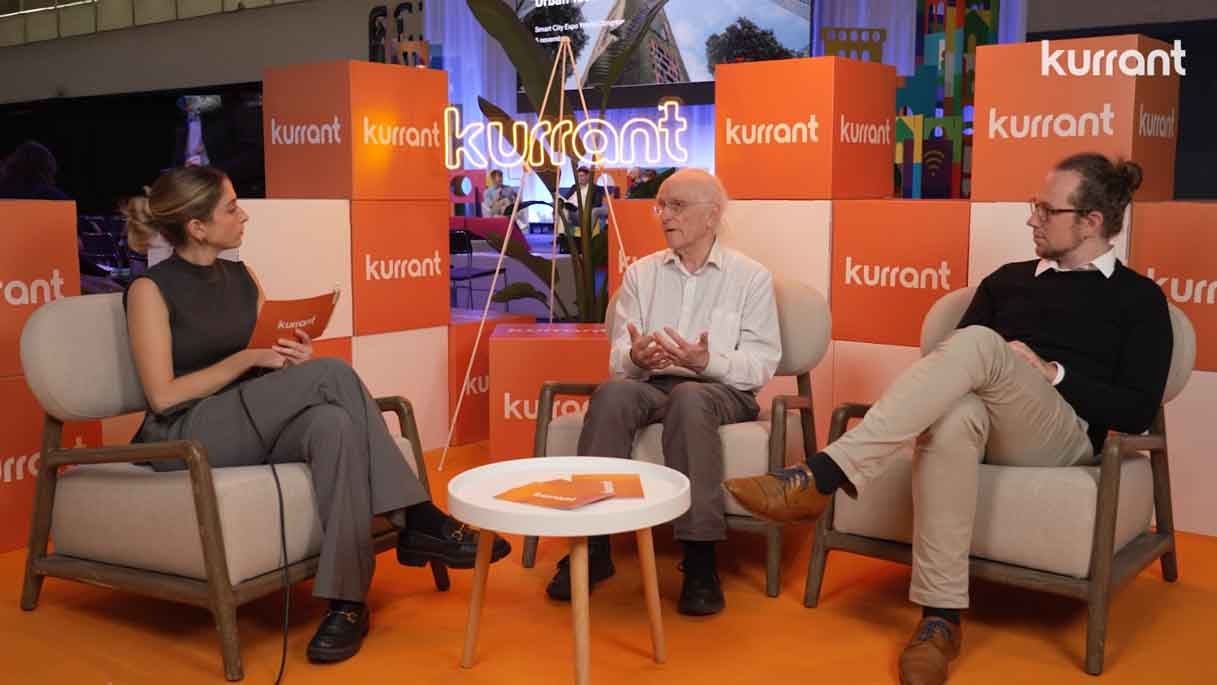
Smart City Expo World Congress Barcelona 2025
AI to Optimize Waste Management Across Cities with Daniel Panadero González
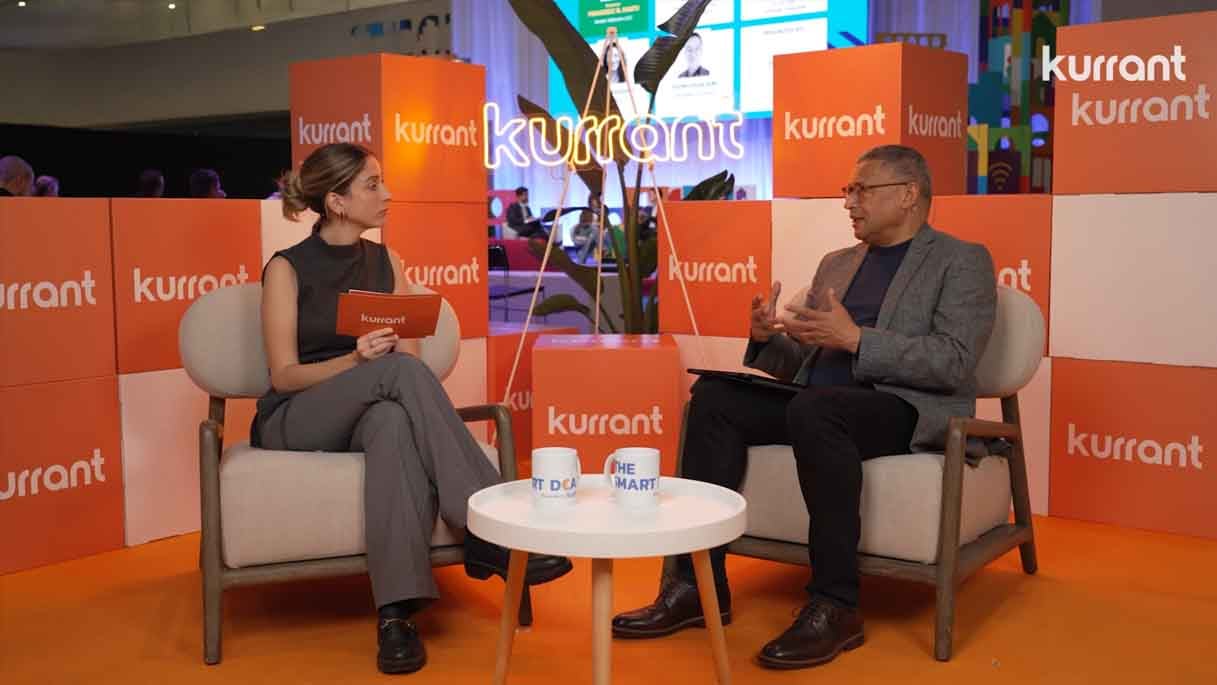
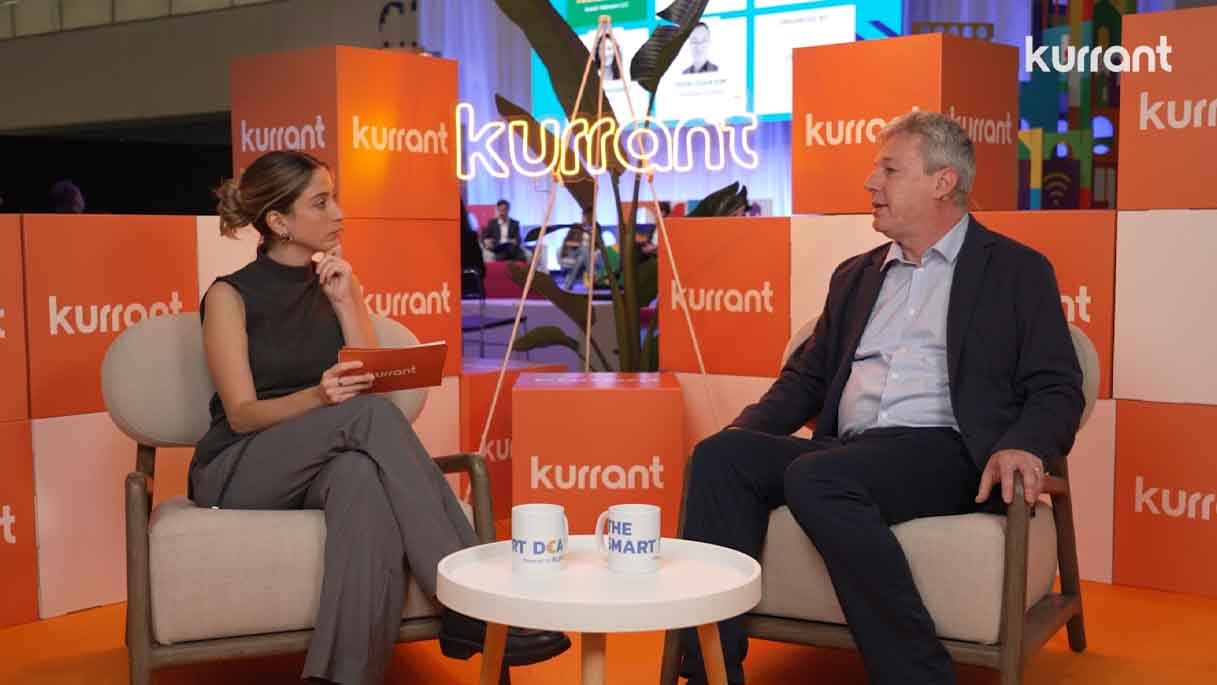
Daniel Panadero, Head of Data & AI at FCC Enviro, explains how the company uses AI and a data-lakehouse to transform waste management from reactive to predictive. Real-time data from trucks, bins, and plants feed algorithms that optimize routes, prevent fires, and improve resource use. An in-house ERP enables daily planning despite staff variation. He highlights barriers such as legacy systems, lack of data standardization, and regulation, calling for unified smart-city data frameworks.
📖 Read Video Transcript
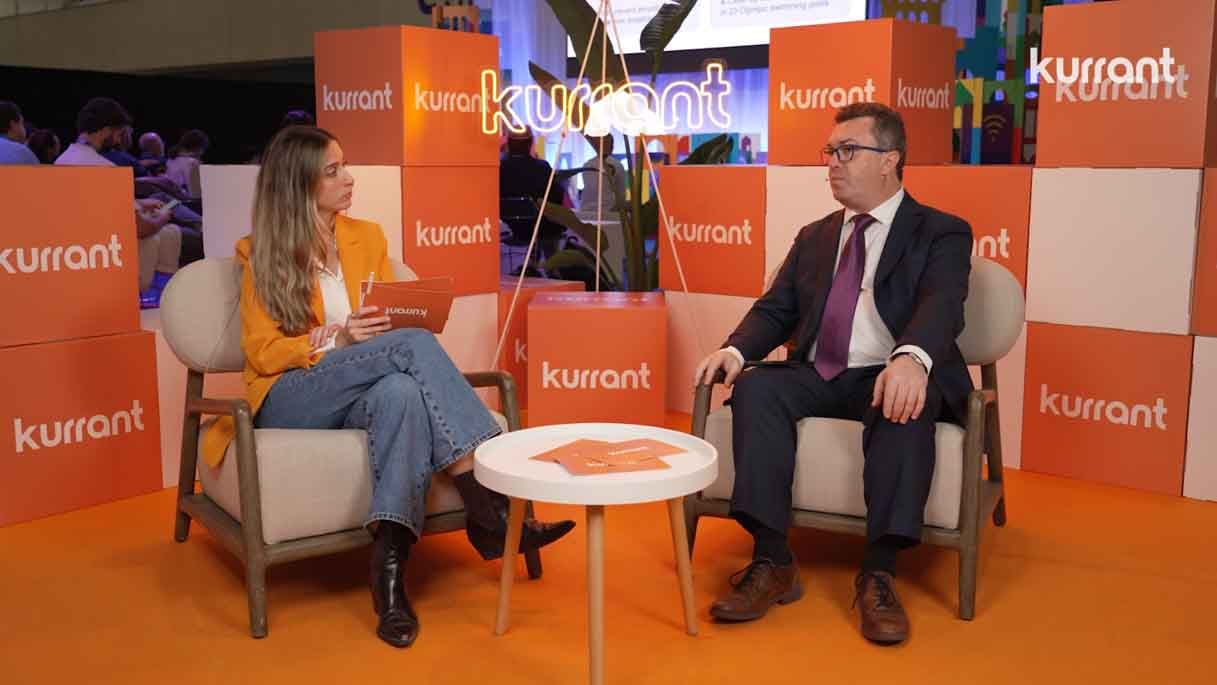
I'm joined by Daniel Panadero González. He is the head of data and AI at FCC Enviro, which is a Spanish company that has environmental services management as one of its core services. We're going to be talking about AI in waste management. So, Daniel, one of the first questions is how is FCC Enviro currently using data and AI to improve waste collection and treatment operations? Well, we are leveraging AI data and all the information we can collect from the systems all around our plants and trucks to carry them out to our, data lake house system. That is how we are collecting all the information. Our purpose is to to create a data Lake house because we have a data warehouse where we, aggregate all the information, and then we can process it, and then we can have information of KPIs that are very important for our business. This is the main goal we have on our collection system. And how do you see AI transforming the daily like the day to day operations of cities and also environmental services? Well the difference between what we have been seeing in the last years is that we were using a reactive system, for taking care of the issue. So whatever information we have on the services in the street. The difference now is that we have an approach that is predictive. We are trying to collect all the information so we can take decisions before the issues occur. Or even to prevent or to organize a better track or a better route for the trucks. That can save a lot of fuel or can prevent from contamination. That's our main goal optimization. Optimization. Okay. And for this optimization I guess a lot of real time data is is being involved. So how you how are you integrating that real time data streams from trucks, bins, sensors, all that you have into your decision making systems. Well we are creating what I said before, are a data lake system in which we collect in the first step, all the information provided from the plants for the tracks, all the points the millions of points that are taken Then we get it inside a first phase that we aggregate later so we can apply algorithm to this clean data we have on the system. And after that we can reuse that information that we collected and fine tune and use it again in our plants during the production process. Also, we have, better phase or staging, which we then again collect some critical points of our the information from every plant or every truck or every person that is providing the service in the street. And then we create some dashboards where we can let's say have the information from a top point of view of the company. This is the about main system. Okay. What it provides us is also, point of view that we didn't have before because we can also simulate from this data all the processes that are going to be producing during our day to day labors. And then how is FCC Enviro using AI for route optimization, for example, fleet management or predictive maintenance. Because we were talking about predictive before. We have been installing a lot of sensors. For example, in the bins on the streets where we get information about how full it is. For example, we create some routes, specifically whenever we have a notice of the of that have been full Also, we have some predictive systems inside the trucks. We are using systems to measure temperatures inside the trucks. So we avoid some fire that could be produced inside that could cause us to lose a truck. We are also, using weather systems, added to the to that information to predict whether or not it is going to be useful, for example, to clean the streets with the water probably with the, with our watering systems that we clean the streets with the water and many, many other things. We use those kind of algorithms to create a better, use of the of the equipment that we have. Okay. So you rely on like many different tools to be able to do that. We have an in-house ERP that we began like 15 years ago to develop in which we have been structuring in all the information that we got the from the trucks and the sensors, the G.P.S. and all this information, we can, let's say, predict what is going to be able to do a truck on every day. So we, create and different, let's say alternatives for a cleaning or for the collections every day since we have this kind of algorithms. it a gives us, a difference from the rest of the, I think from the rest of the companies, because we are able to predict what we are going to do next day. Okay. Even with the resources we have, I mean, we have, big contracts in the city. We have a partnership with many municipalities, but in most of them, we have, persons working. So we depend on them. Not every day we have the opportunity to get them all because of, absence or, illnesses or whatever. So we have to be aware that maybe we cannot count with all the people. So we have to, take advantage of our system, and predict or preview what is going to happen whenever they don't come to work. This is also one of the things we are doing. so what are the main barriers you're seeing to scaling automation in public services? Is it the cost. Is it the infrastructure or is it the regulation? Is it all? Everything is taken in context? It's very difficult because we have different issues regarding, for example, the standardization of the information we provide service to the municipalities. From this point of view, they are still using, kind of legacy systems as structural systems that are not the same, like long language models or things like that, for example. And they pretend to use this kind of a structured system instead of or transactional systems instead of systems that are much more wide open in the context they accept video or speech, so they don't still see the need of the use of the AI at all. But also there is another thing that is the structure of the information we need to create something, a standard for all the smart cities. Because whenever we have to work with different municipalities, they have different, ways of collecting the information or understanding their own information. But I think we should create a standard in the market for, for every provider or for every partner we have. So we can use the same standard for creating or or saving this information. Also, the AI act is something that we have to follow. We have to be and is very important. The regulations we are creating also participating in the creation of many frameworks with associations like ISMS forum or things like regarding security inventory, everything that we are capable of We are creating also an inventory for the applications that we can achieve, and we can look for the risk of the applications where we can store the provided informations, the modeling information, everything, everything we can take in, in place will be recorded inside and from the point of view of this application, it's also very important for us because it can allow us to communicate what we are doing to the rest of the organization. Inside we have like, many ambassadors around the, the organizations, and we try to deliver all these approaches to the different countries, but because the regulations are not the same, you know, for example, in the US, they don't have, like the AI act we have in European Union. And sometimes we can develop or research some models. There that can be used here without the risk of being out of the law. And how is FCC enviro collaborating with cities and municipalities to integrate waste data into broader smart city platforms? Well, we are trying to provide, all the information through the channels they have, like web services they provide for working, like all the routes, all the information provided from our GBS or even 3D models of our plants where we can collect all the information from the SCADA and PLCs that we have inside measuring the energy consumption, whatever is being monitored. And we are providing the information in a way that they can look at it directly. We provide 3D models, from inside the plant, for example, and on every point where our equipment is, we can touch a point where you can see the camera that is pointing to that equipment. You can, see real time information of the, temperature of the consumption of energy or whatever is happening inside the plant. my last question is if you could implement one innovation across all cities tomorrow, what would that innovation be? One thing you could help us very, very much if it would be if a municipality that is already they are already collecting a lot of information from many sensors in the city, like weather sensors or we are doing some models in which this information takes place. So it could be great if they could create a uniform standard. For example, weather platform as an example of, case of use because it could have also a model of AI predicting what is going to happen. And it will be the same predictive model for everyone. So we could use that model or that information inside our own models. So I think is something that a municipality could do because it's something that it will affect them also. And from the point of view of the service is not that it is a priority I mean, it should be probably done by them with our collaboration, of course, but it should be something that must be done. A good collaboration. Yeah. Well, thank you so much for being here. And thank you all for watching and learning about.
Playlist: Smart City Expo World Congress Barcelona 2025
20 videos
Day 1 - Kicking off the Smart City Expo Barcelona 2025
The Smart Deal 2025: Pitch Day Highlights
The Smart Deal Reveal - Overview
LoRaWAN Turns 10: What's next? with Alper Yegin, CEO at the LoRa Alliance
Rochelle Haynes on Building Data-Driven, Equitable and AI-Ready Cities
Investing in Smart Mobility: Bridging Innovation and Infrastructure (Panel)
AI to Optimize Waste Management Across Cities with Daniel Panadero González
LA Street Lighting’s Smart City Playbook with Miguel Sangalang
Madrid’s Digital Strategy with Sonia Crespo Nogales
Gérard Wolf on The French Recipe for Sustainable Cities Video
Data From the Streets: Rethinking Smart Cities in Africa with Edgar Pieterse
Aleksander Rajch on the Future of Mobility in Central Eastern Europe
Scaling Urban Innovation with Gianmarco Piola and Pedro Moreira
From Living Labs to Trustworthy Data with Josep Laborda
Driving Europe’s Digital Future with Chiara Venturini
The Future of Urban Road Safety with Luca Pascotto
Building Smart, Equitable Cities with Debra Lam
Connecting Every School by 2030 with Irene Kaggwa
Smart City Expo 2025: The Wrap-Up
How AI and Accessibility Will Transform Urban Mobility with UCL Experts
More Smart City Expo World Congress Barcelona editions
🎥 Recent Event Coverage

🎬 Kurrant Originals

📰 Latest News
© Kurrant. All Rights Reserved. · Editorial Standards · Cookie settings
This site is protected by reCAPTCHA and the Google Privacy Policy and Terms of Service apply.