← Back to all events
Smart City Expo World Congress Barcelona 2025
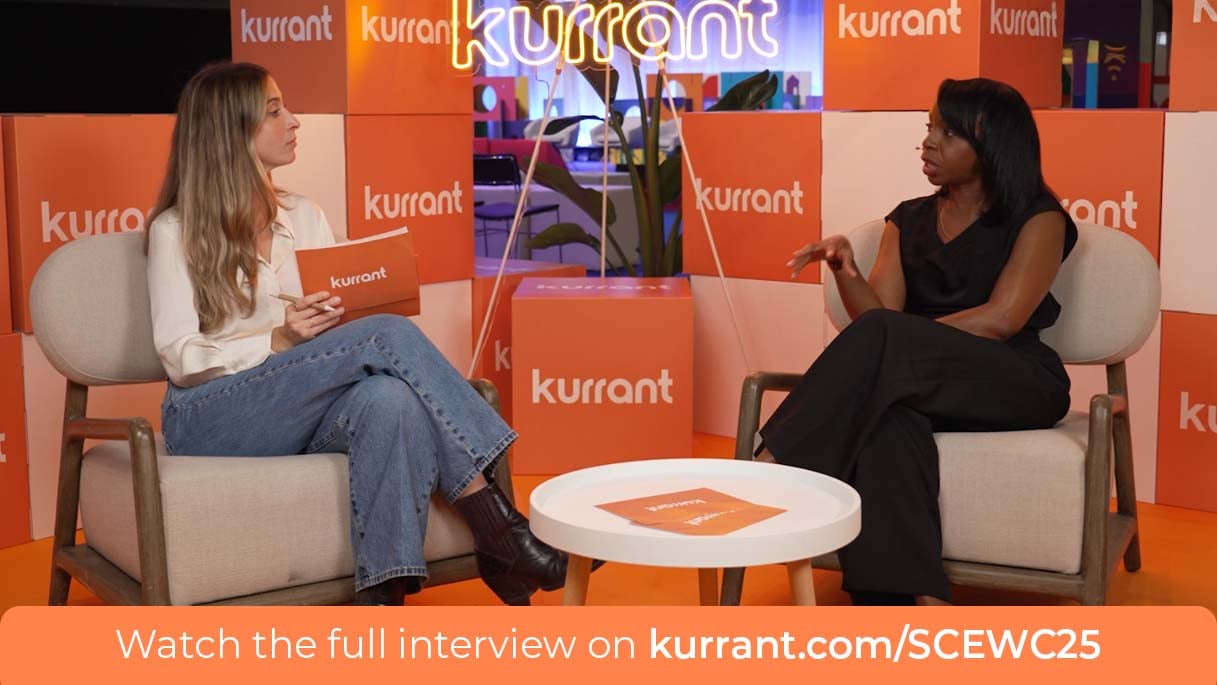
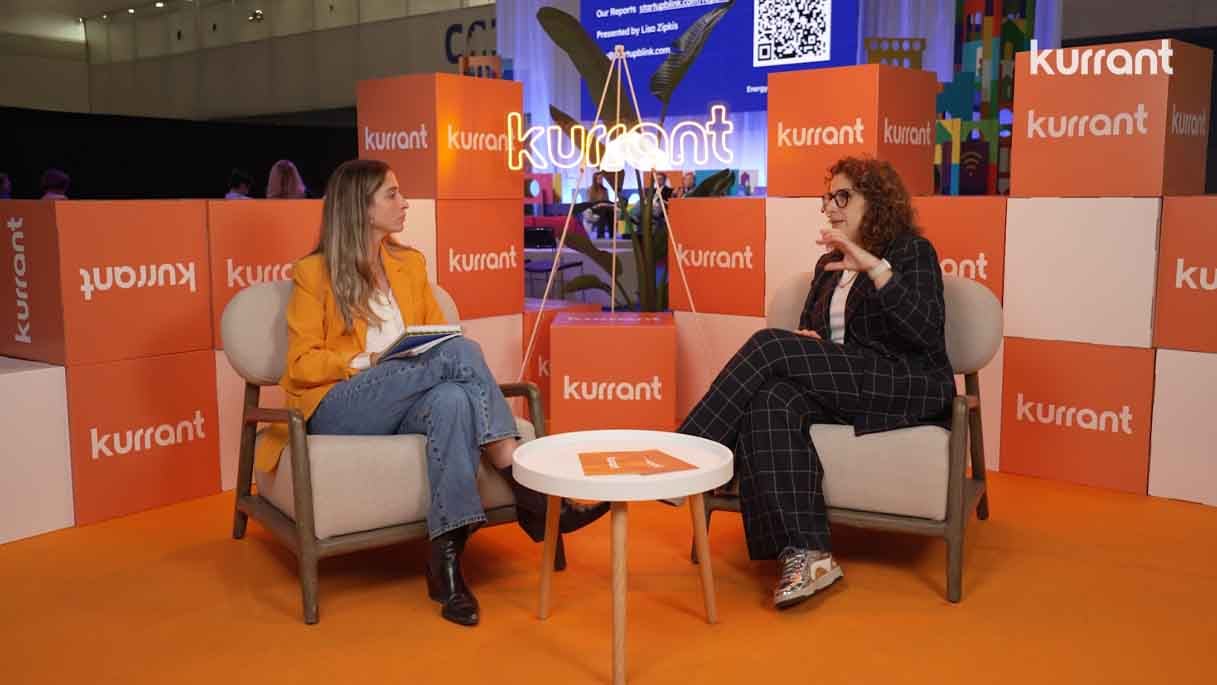
Madrid’s Digital Strategy with Sonia Crespo Nogales
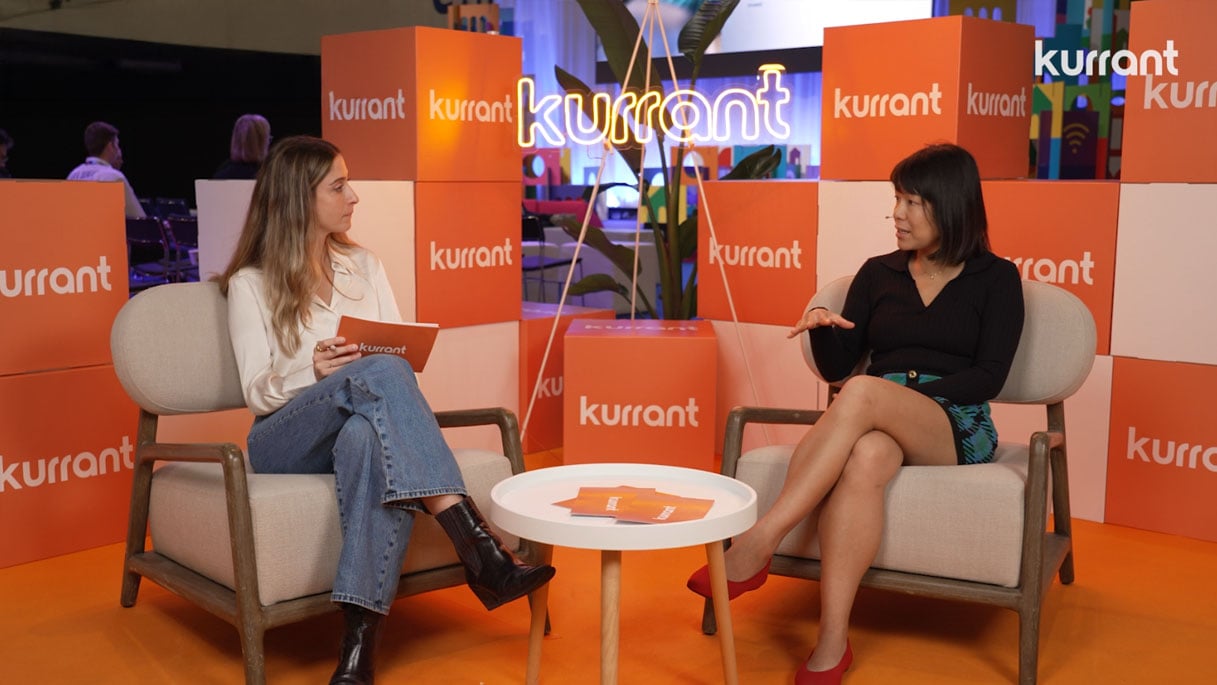
How does a city of 5 million reimagine digital life around people, not technology? In this conversation, Sonia Crespo Nogales Head of Coordination and Monitoring of Madrid’s Digital Strategy, shares how Madrid is transforming public services, tackling loneliness with AI, and connecting innovation hubs across the capital. From “digital twins of twins” to open data and smart mobility corridors, she reveals what it takes to make a truly human-centered smart city.
📖 Read Video Transcript
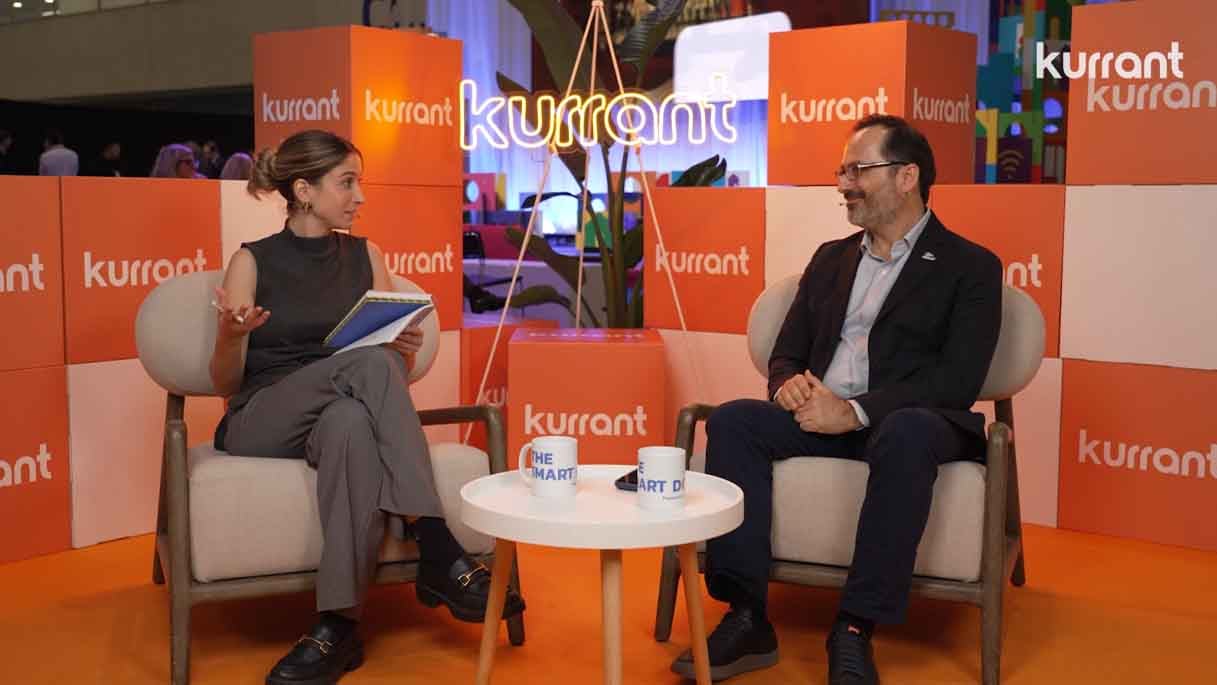
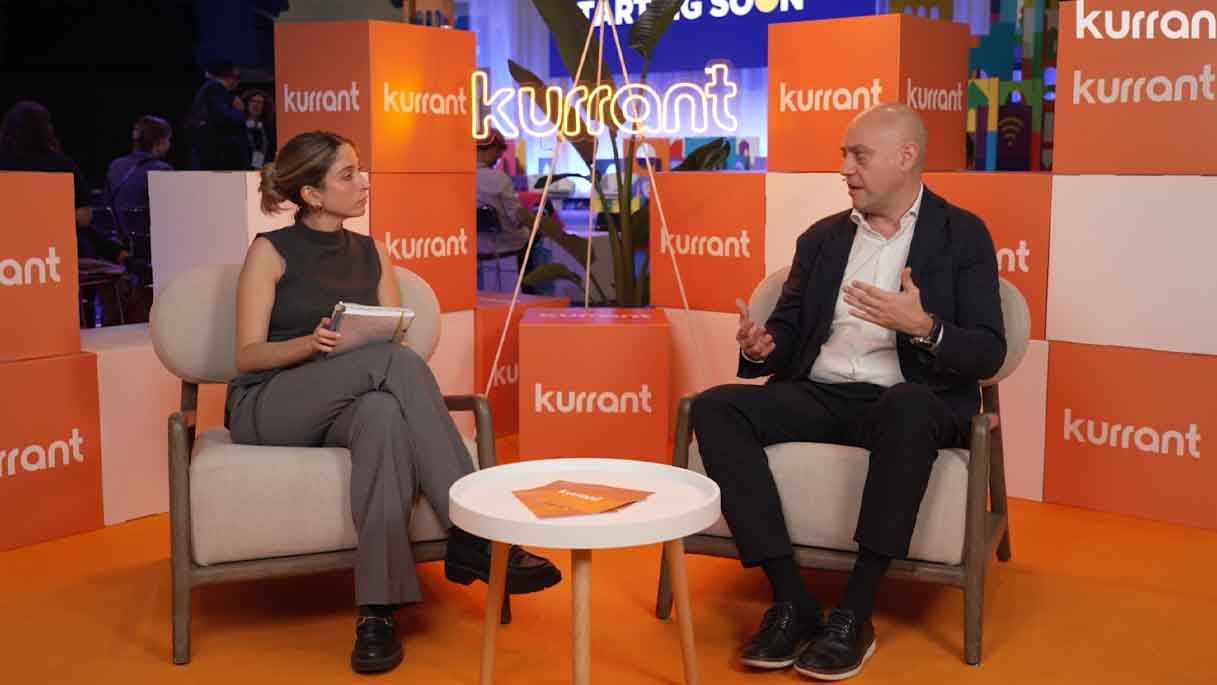
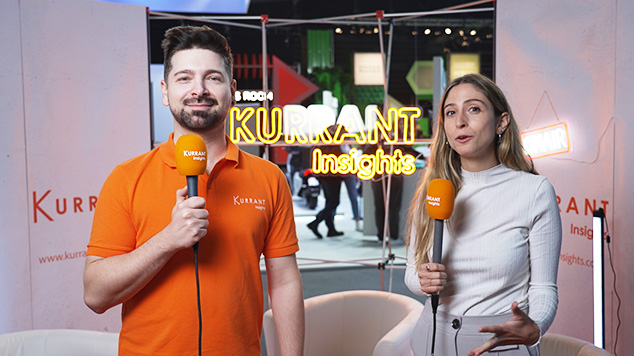
I'm here at the Kurrant studio at the Smart City Expo World Congress with Sonia Crespo Nogales. She is the Head of Coordination and Monitoring of Madrid's Digital Strategy, which we're going to be talking about today. So, Sonia, can you tell me a bit about the Madrid digital strategy? Thank you for having us here today. We are really pleased to do it. And well, the digital strategy of Madrid I think is quite different from others. Just in the points we’re focusing the strategy. We have like three objectives. You know, the main ones we are working on. The first one will be the digital services that we have with people. Then the second one is the intelligence of the city we call it that is more related with this maybe the Smart City World Congress where we are now. And then the third, where we are working really hard is about the hub of innovation that we are trying to go on all around the capital. Just to have an idea of what is Madrid, we have like more than 3 million people living in Madrid, but also like 3 million, 6 million, 3 million more, going around just to come to work and to move around the city. And then in one day we are serving and we are working with 5 million people every day in the council. So, I mean, our options are really complicated with a lot of different possibilities, you know. So we have been working with this the last three years. Now we are in a revision of this strategy. And even if we started working on it with it, artificial intelligence was always there. But it's true that there was a ChatGPT and all these things that came. And in this second part of the strategy, we are really focusing in integrated all the artificial intelligence in what we are doing, but also the cybersecurity, resilience and all the infrastructure that we need to to survive to any case of a situation that we are going on. So now, from the next, in just a short time, our strategy is changing to make Madrid what we want in the beginning, the place where you want to invest, you want to live, you want to come to do tourism or you want to come to live with your family or to have green areas or a city that is thinking of people and this is the center of all what we are doing around. A city that moves with the things you need at any time, in any way. With all these possibilities of technology that we have now, we want to use it in a proper way, to give solutions, not to give promise to the something that maybe so fashion now or whatever. But Madrid is focused just on trying to do the best with the technology we have to solve problems to the other. So the strategy is always flying around this, the person in the center and all the things we need to do with technology to do it easier and improving in every way. And to reach that goal, the goals that you were just mentioning inside the digital strategy, what are some of the smart projects that you're working with? The main ones, I can just say a few, maybe the things that we are doing in social services or the things that we are doing with environment or even in a few days we are making an event, a very big one, with the urban intelligent spaces, that mixes five corridors, mixes also all the things we are doing of mobility and these kind of things that we can just start in one part of the city and then choose the same example to deliver in other parts of Madrid. Also, for example, all that we have of digital services, as I told you, we reach the 80% of the services that we are providing in more than the 80% digital way to do it. So that's very important for us also. And then a lot of things that solve problems that we have in the city using the best technology we know with this collaboration with the public and private sector, with university, with people, that is all around other countries, other capitals, other people that is working in the same file with the same idea we have. And what are you doing, for example, in social services. Because I think we were having a conversation earlier and you mentioned something about loneliness. You have a digital program around loneliness. That project is called Paloma which is really a very Madrild name. And with this program, what we do was to use artificial intelligence to identify different cases of old people that could be in a situation of loneliness. Yeah, exactly. And it was really, really good for us because in this way, you use, yes, technology for the things that maybe the human is not really useful in a way. And then we use humans to what we really need them to help these old people to not be in this situation or to avoid more difficult situations that could happen after this. So it was really, really useful because we, I think we detected like 5000 cases of this situation, and then we make different activities with more than 400 of these ones just to avoid bad things from happening after you identify a case like that. And how are you leveraging public private collaboration. Academia. How are you leveraging that? Yeah. For us this is one of the most important things. We really believe in collaboration to do these things. Even our director always says it is something that we can’t do alone. Nobody can ever improve what we are doing for citizens or the services we aren giving if we are just alone in the institution in a way. So we used to talk and to have meetings and to do all these things we are doing today just to be in touch with other entities, with other companies, with other countries, with the public, this public and private relation that we are always using. And then, for example, a good case, I told you that we have more than 80 projects going on, and these 80 projects are presented in our area of the smart City World Congress for the protagonists of these projects. So in a way that is also a manner, a way, to make them believe in the project, in a way, you are a part of it. And university is here. Companies are here with us. Other countries visit us today. So, I mean, this is a way to to make family in a way, in this situation. And I think that, as I told you, our director and also the philosophy, the soul of the project is so, so close to to share in the hallway to share sharing in princie. And then my last question is, maybe a project if you want to tell me about one of the projects, you mentioned digital twins. Before we started rolling. If you can tell me about that project. We said in Madrid that we are not going to do a digital twin. We are going to do a digital twin of the digital twins. I mean, when you have something like that. And I told you areas used to grow in different speeds. We need to make this effort to share what they are actually doing. We don't close what they are doing and start a different thing. We want to improve it and to paste this situation with the other ones. So the digital twin is one of these cases and it's a very good one. We are not going to invent something absolutely different that nobody knows. No, we are just going to share all this information not in silos where they are not interested in the other one. We are just going to be the ones that make these systems of information work together, play together could be exploitation together. So in this way we can face, for example, an emergency or we can face a situation that we cannot even simulate because we can not think about it, or we can think is going to be in our city or is going to happen. So that twin of twins is a kind of that. So what we do with these areas, we want them to dream big. What do you want to know? If you have like a kind of, ball of the future, what would you ask them? If I do something, what will happen? If I’m the mobility service, if I decided to to stop the circulation in the road. What would really happen? You could do that with a twin of twins. So just dream big and think. What would you ask to this future? And and we do our best to try to give you an answer with the data we have, with all the systems working together to give you this information. And for all that data, do you have one central platform for it? Or do you still have different platforms? What is it like? We are working really hard in that. We have also a normative that told us to have these transparency portals or webs and also this part of open data sites. So we don't have to store this information in these sites. We have to be able to get the infrastructure to get all the systems talking together, to give this information to us. So that's what we are working on. We have a lot of information of this kind in Madrid, and we are working in this system to put all of it together, to be connected and just to be a place to demand information, to mix what you need, to have your answers in a way. So that's the open data project that is also going on now. Okay. Perfect. Well, good luck with the strategy. Thank you very much, we needed. And now maybe next year we'll be talking about how the strategy... I really hope so, I will be glad to do it. Perfect. Thank you so much for your time. Thank you.
Playlist: Smart City Expo World Congress Barcelona 2025
20 videos
Day 1 - Kicking off the Smart City Expo Barcelona 2025
The Smart Deal 2025: Pitch Day Highlights
The Smart Deal Reveal - Overview
LoRaWAN Turns 10: What's next? with Alper Yegin, CEO at the LoRa Alliance
Rochelle Haynes on Building Data-Driven, Equitable and AI-Ready Cities
Investing in Smart Mobility: Bridging Innovation and Infrastructure (Panel)
AI to Optimize Waste Management Across Cities with Daniel Panadero González
LA Street Lighting’s Smart City Playbook with Miguel Sangalang
Madrid’s Digital Strategy with Sonia Crespo Nogales
Gérard Wolf on The French Recipe for Sustainable Cities Video
Data From the Streets: Rethinking Smart Cities in Africa with Edgar Pieterse
Aleksander Rajch on the Future of Mobility in Central Eastern Europe
Scaling Urban Innovation with Gianmarco Piola and Pedro Moreira
From Living Labs to Trustworthy Data with Josep Laborda
Driving Europe’s Digital Future with Chiara Venturini
The Future of Urban Road Safety with Luca Pascotto
Building Smart, Equitable Cities with Debra Lam
Connecting Every School by 2030 with Irene Kaggwa
Smart City Expo 2025: The Wrap-Up
How AI and Accessibility Will Transform Urban Mobility with UCL Experts
More Smart City Expo World Congress Barcelona editions
🎥 Recent Event Coverage
🎬 Kurrant Originals
📰 Latest News
© Kurrant. All Rights Reserved. · Editorial Standards · Cookie settings
This site is protected by reCAPTCHA and the Google Privacy Policy and Terms of Service apply.