 in Barcelona
 3 to 5 Nov 2026
← Back to all events



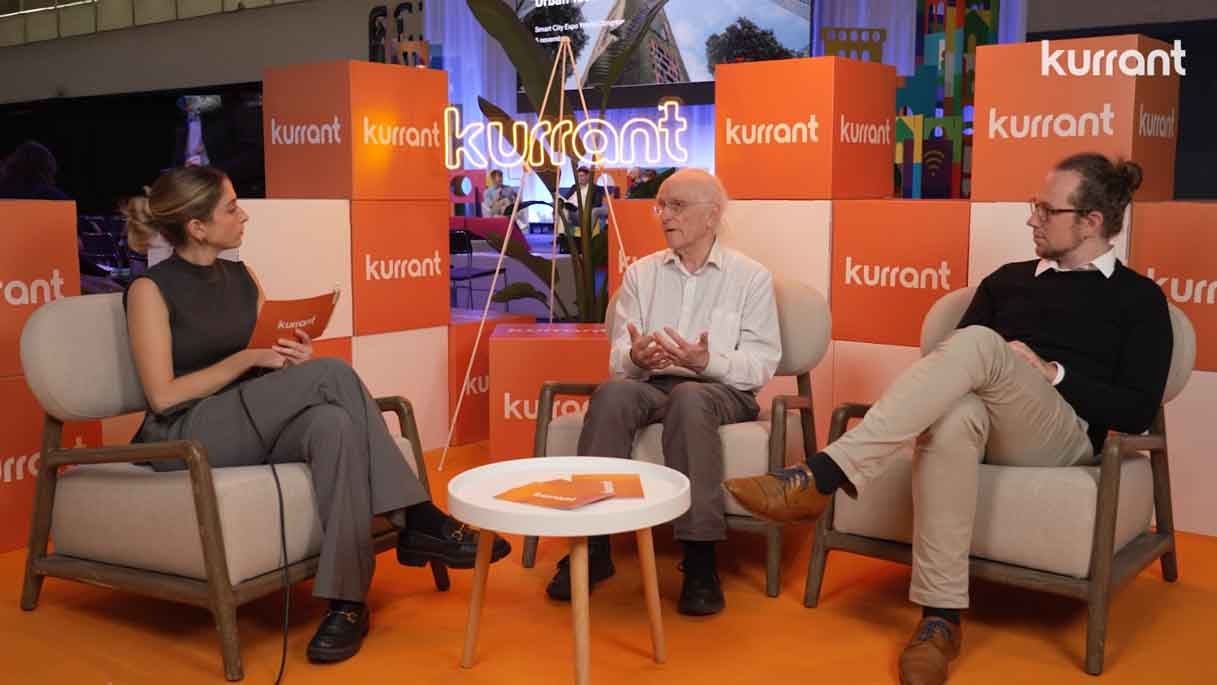
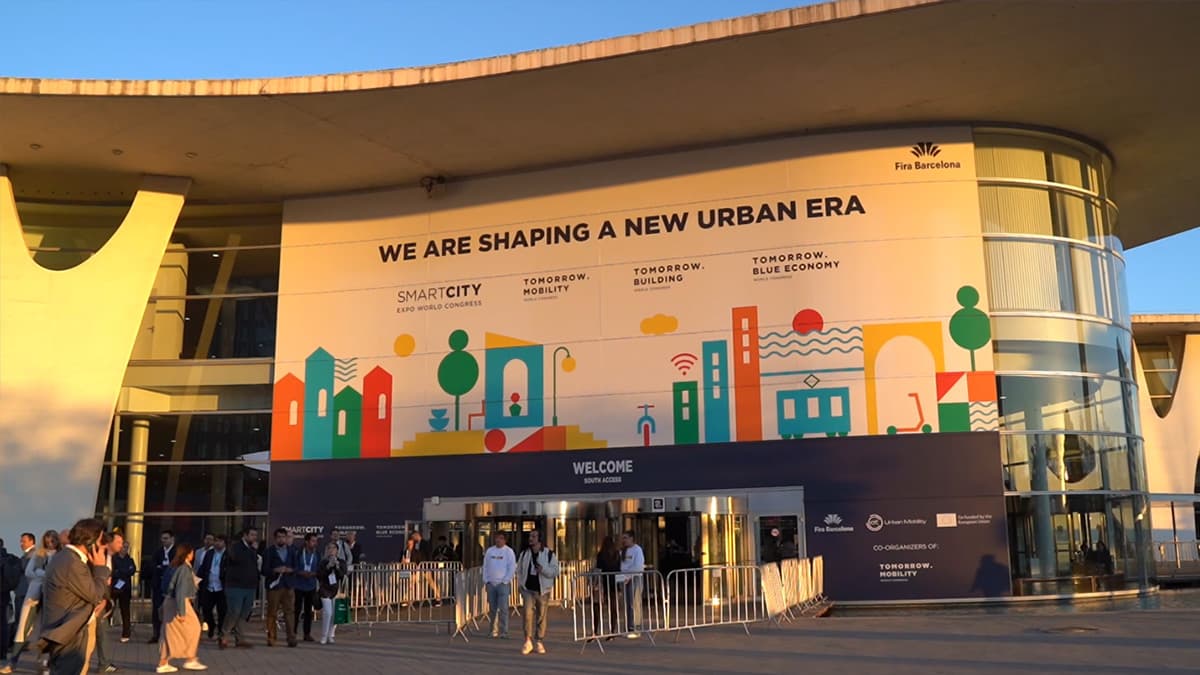
Smart City Expo World Congress Barcelona 2025
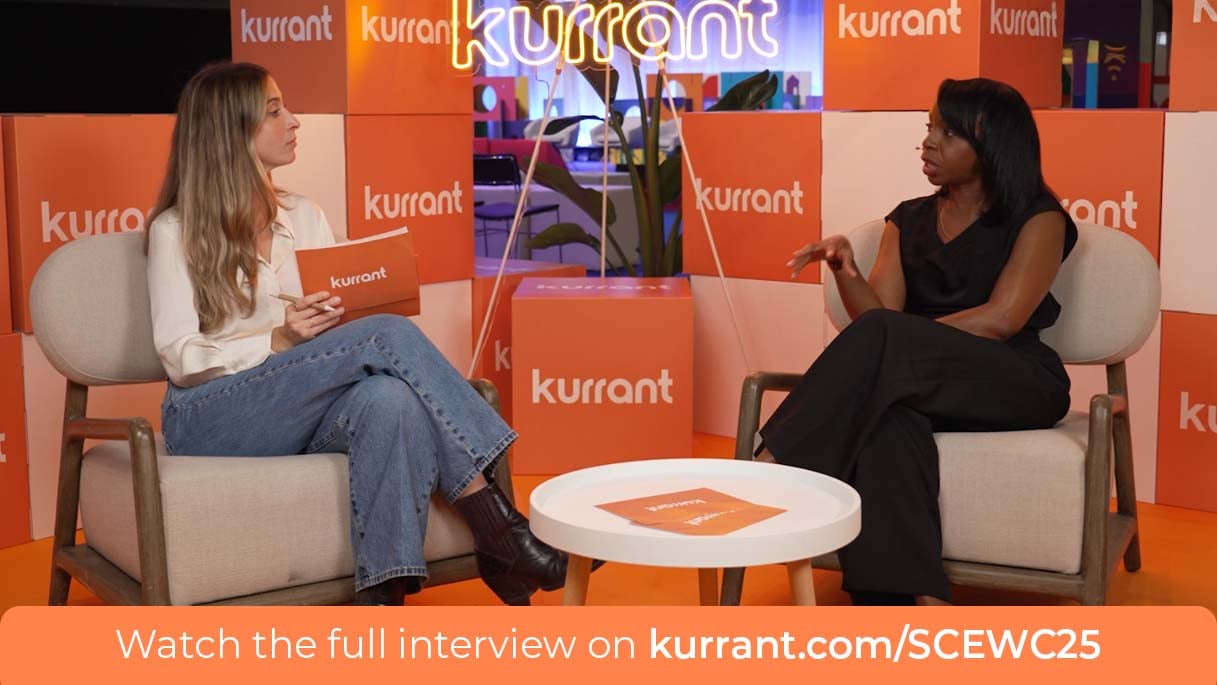
Connecting Every School by 2030 with Irene Kaggwa
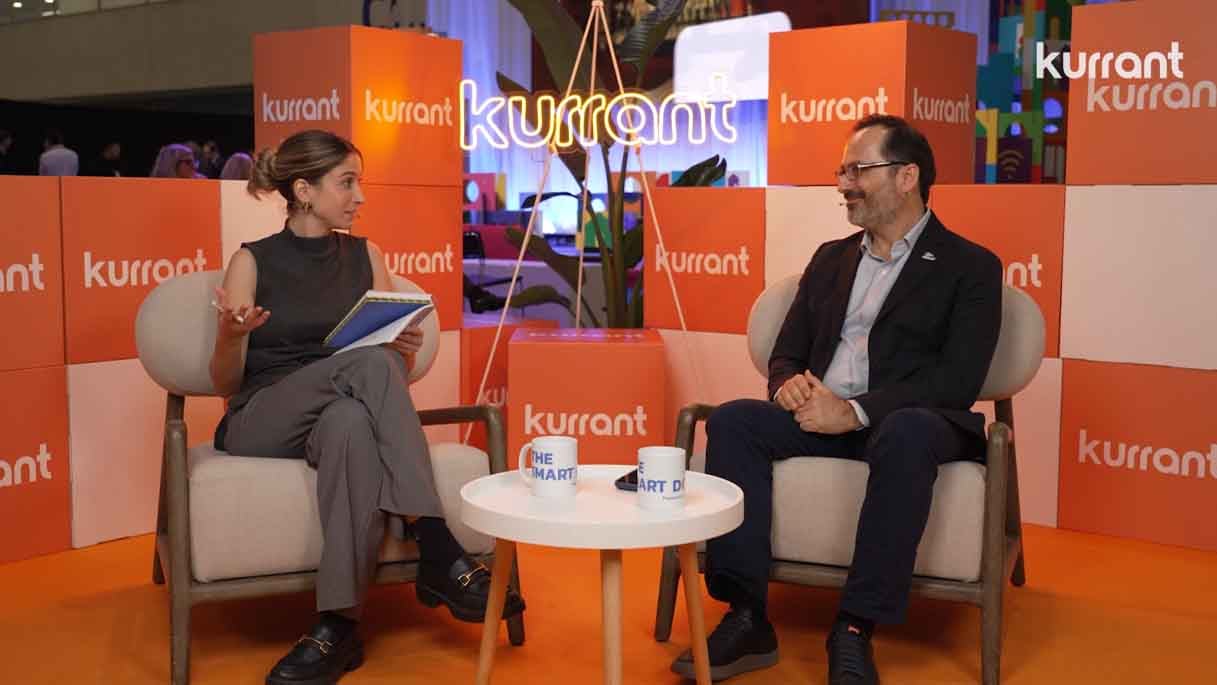
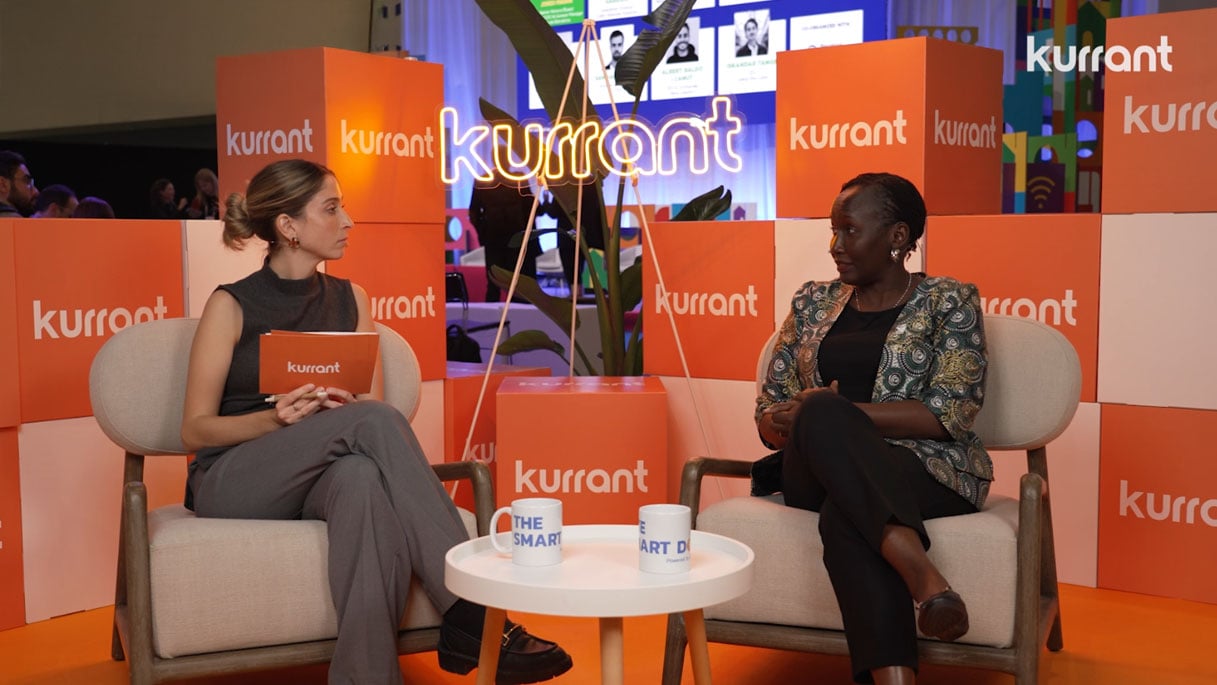
How do we make sure no child is left offline? Irene Kaggwa Programme Manager at Giga shares how Giga, an ITU-UNICEF initiative, maps connectivity, mobilizes partners, and brings schools online to power learning, inclusion, and smart city participation. Hear real impacts on students, teachers, and communities, plus lessons on using AI and satellite data responsibly. If you care about equitable digital transformation, this conversation is a must-watch.
📖 Read Video Transcript
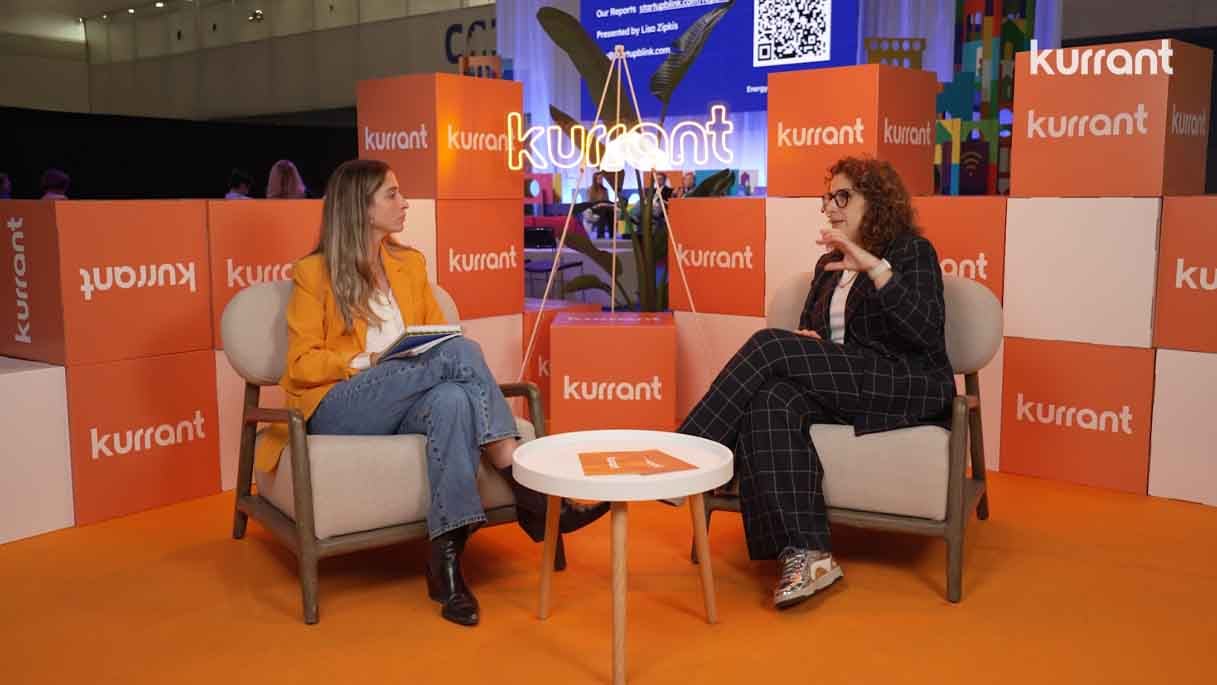
I'm joined by Irene Kagawa. She is the Giga Programme Manager at the International Telecommunications Union, a joint ITU-Unicef initiative that provides support to governments to connect all schools to the internet by 2030. We will be discussing this topic and how it fits into the broader smart cities context. First of all, Irene, can you tell me about the Giga programme? With pleasure. So Giga is a joint initiative that was established by the International Telecommunication Union and Unicef. So ITU is the UN specialized agency for digital technologies. And UN of course is into child rights. So together we came with this initiative that looked at, I don't know whether you are aware, but 2.6 billion people in the world are still not connected to the internet, compared to 5.519. And many of these are women and children. Now, when it comes to schools, of course, today I keep telling people the biggest punishment to a child today is ‘give me your phone’. Yeah. Now, in many parts of the world, children have seen mobile phones maybe owned by others, but all we talk about with online classes and everything is strange to them. Yeah. And when Covid hit, that's when the divide became more significant. With those schools that were able to go online continued, while in other cases, children were out of school for almost two years. Being left behind. Exactly. And now with all this digitalization it's a digital world. So if you do not know digital, you're cut out. And we estimate that half of 6 million schools are offline. And that's like 1.3 billion children who are affected. So as Giga we come in to work with the countries and provide them support to be able to achieve that goal that let's get all the schools in the world connected by 2030. And is it on its way to achieve the goal? Do you think it will be done by then? Good question. I'm optimistic. I never take no for an answer. So we’re course. Currently we’re working with 45 countries across the world. So relatively ITU has a membership of 194 UN member states around the world. And so looking at 45 of these in terms of most of those that would be interested, of course, the developing countries, but also even some developed countries are interested. And we have 26 that are in the pipeline to be able to join the initiative. So looking at that progress, we think we're doing well. What type of impact have you seen, when schools gain that connectivity. What are the impacts you've seen on the children, on the teachers, and even the community? When we look at connectivity of children, we normally pay attention to the children who are in rural areas. But there are all sorts of different children who haven't had an opportunity to get online. One of the examples are children with special needs. In many societies, these are looked at as they're useless or castoffs. But these are just children who are not enabled to harness their talents. And when you give them assistive technologies, they are able to interact. So even a child who was seen to be aggressive suddenly because now they can communicate themselves with technologies. In other places, we see there's always the excitement. It's almost like a curtain has been opened and a child realizes, wait, there is a world beyond my village. There is a world beyond my classroom. So the teacher is not my start and stop. It's almost that you have opened up a whole gateway for them in terms of the rest of the world. And then we've also seen opportunities come up where even in engagement across different schools. So you're no longer cut off by just the boundaries of the distances. The distances are now cut that they can now interact with children in other schools within the country, but even globally. And for the teachers, it's amazing because today we talk about continuous learning, but it's most critical for the teachers. There is the foundation, the foundation principles that don't change. But now if they actually bring out students that are relevant for tomorrow's world, they have to understand the needs of tomorrow's world and adapt to the teaching. And internet actually facilitates that continued learning and broadening their learning skills as well. And so the goal is to connect the schools. But how does that goal fit into the broader smart city's vision? Very good question. So one of the things we actually look at is when you're going to connect a school, it is thought that infrastructure is only going to benefit the school. If you look at an optical fiber, for example, along the route that it goes, it's going to support other users. So schools access vanguard users in terms of the community of connectivity. And in many places, they look at them as also points of access. How can you address this inclusiveness that we are all looking at in smart cities? That people are able to access information they’re able to participate in the information. And schools facilitate that by creating a gateway, but also enabling, access to the community that is around it. Okay. And then how can the infrastructure created for Giga, because I mean you have for example the connectivity map and partnerships, how can that be leveraged to support urban digital transformation? I like that you ask that. So going back to the issue of integrated planning. Anything digital you need electricity. So you want that as you connect up. For example, set up the roads. You're thinking about connectivity and you're looking at all the institutions you will want to connect in the community. And schools become automatic for that. So when we're doing the provision of services or support to the governments, we do, for example, infrastructure modeling, where we map all the existing telecommunication infrastructure that is in the country. So you have a blueprint. And then for each of those schools, we identify, how can you connect it using existing infrastructure or new infrastructure. And being able to harness that to address other community needs. Because when you're doing smart cities, you're going to need digital infrastructure all along. So this already provides the platform to be able to connect up all the other facilities that you want to address. And then there's something that happened with Covid. The digital divide became more visible. And many cities risk deepening the digital divide between connected and unconnected communities. So what strategies are most effective to ensure inclusion in smart city development? That is very critical because as we always do, digital transformation agendas or campaigns, we risk increasing the divide rather than reducing it, especially if we go with the hype of just creating new and and move on with those ones who are ready to go. So we have to appreciate that not everybody has the same, for example, access to technology, same skills, and being able to address those different persons within the community, those ones who are able to have their own devices versus those ones who will need to use community facilities, and those ones who will even need digital skilling. It's always assumption everybody knows, but there are those ones who are still off because they don't understand this technology. What this is about? Is it about having pen pals online? I've had that being asked to me before. They're like, I don't have pen pals because they think it's just about social media. And so being able to teach them how to harness these technologies, create value for them. And some of the smart city ideas, for example, look at having feedback or participation by the citizen in terms of developing their own smart city. How do you address these other persons who do not have those facilities and make sure that they are able to be integrated and not be left behind. Setting up community facilities, teaching them, and creating tools that actually appreciate the different types of people. Not too complex for only those who understand it. So teaching is like the main strategy really, to not have them stay behind when it comes to... Digital literacy is very key. We've found it very critical and even more of an opportunity if you do it as a transverse skilling. That's where it incorporates people's livelihoods. When you're just taught something and you don't have to utilize it, you're likely to forget it. But when it links in to what your daily life for what you do, then you're more likely to see the benefit of it. So we find that beyond device ownership, digital skilling is very key. But also trust and confidence. So cyber security as well. If you're, you know, like when you tell to a child ‘don't touch the kettle.’ You normally let them touch a hot one and they would be like I'll never touch it. So the impact of when someone is scammed, is an issue of I can’t trust. I am better off using my tin to keep my money and I know it's there. So trust and confidence is another issue that's very key. Okay. And then my last question is what's the biggest lesson learned from Gigas use of AI and satellite data that could inform smart city planning? Good question. Mine is really an assumption. It's not one shoe fits all. It is very easy, for example, to say when you're using imaging or the kind of data that you use to train a tool, that when you see a football pitch automatically, that should be at school and it could be a community facility. So making sure that it's context specific or context informed becomes very critical. So even as we design AI, it is important that we take into consideration the different context. So that we train tools that are applicable to the local context, rather than importing a tool that has been trained on a very different context and doesn't apply to what we're looking at. Okay. Fair point. I mean not one solution fits all. Okay. Well thank you so much for your time and for your insights. And I hope you enjoyed this conversation as much as I did. Immensely. Thank you so much for the opportunity and best wishes to you all. Thank you.
Playlist: Smart City Expo World Congress Barcelona 2025
20 videos
Day 1 - Kicking off the Smart City Expo Barcelona 2025
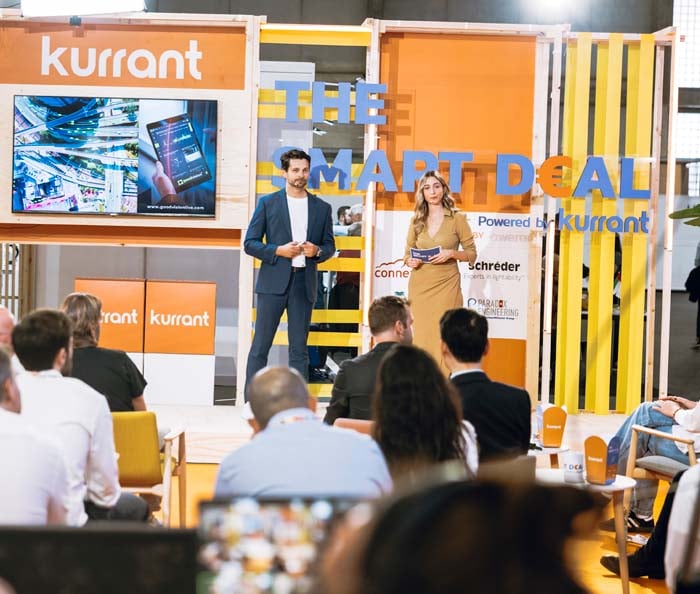
The Smart Deal 2025: Pitch Day Highlights
The Smart Deal Reveal - Overview
LoRaWAN Turns 10: What's next? with Alper Yegin, CEO at the LoRa Alliance
Rochelle Haynes on Building Data-Driven, Equitable and AI-Ready Cities
Investing in Smart Mobility: Bridging Innovation and Infrastructure (Panel)
AI to Optimize Waste Management Across Cities with Daniel Panadero González
LA Street Lighting’s Smart City Playbook with Miguel Sangalang
Madrid’s Digital Strategy with Sonia Crespo Nogales
Gérard Wolf on The French Recipe for Sustainable Cities Video
Data From the Streets: Rethinking Smart Cities in Africa with Edgar Pieterse
Aleksander Rajch on the Future of Mobility in Central Eastern Europe
Scaling Urban Innovation with Gianmarco Piola and Pedro Moreira
From Living Labs to Trustworthy Data with Josep Laborda
Driving Europe’s Digital Future with Chiara Venturini
The Future of Urban Road Safety with Luca Pascotto
Building Smart, Equitable Cities with Debra Lam
Connecting Every School by 2030 with Irene Kaggwa
Smart City Expo 2025: The Wrap-Up
How AI and Accessibility Will Transform Urban Mobility with UCL Experts
More Smart City Expo World Congress Barcelona editions


🎥 Recent Event Coverage


🎬 Kurrant Originals


📰 Latest News


© Kurrant. All Rights Reserved. · Editorial Standards · Cookie settings
This site is protected by reCAPTCHA and the Google Privacy Policy and Terms of Service apply.