 in Barcelona
 3 to 5 Nov 2026
← Back to all events




Smart City Expo World Congress Barcelona 2025
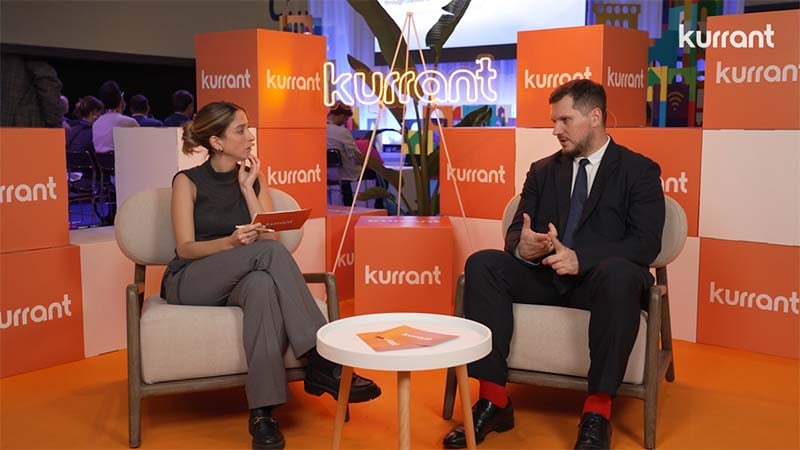
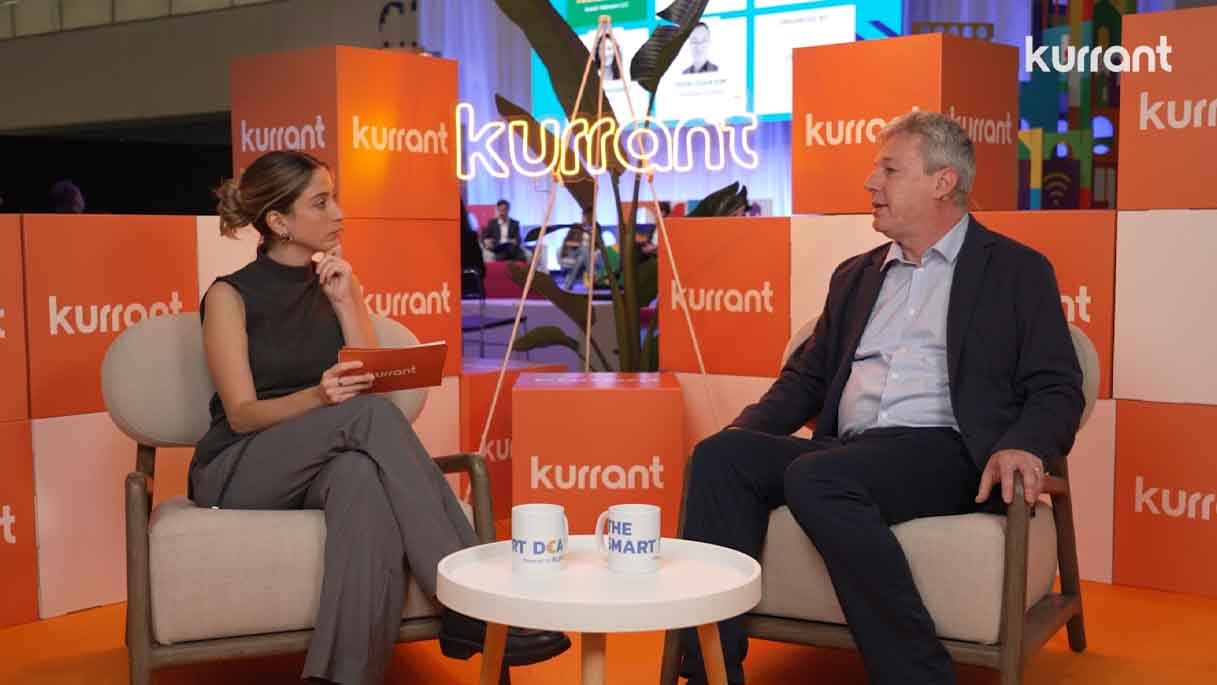
Aleksander Rajch on the Future of Mobility in Central Eastern Europe
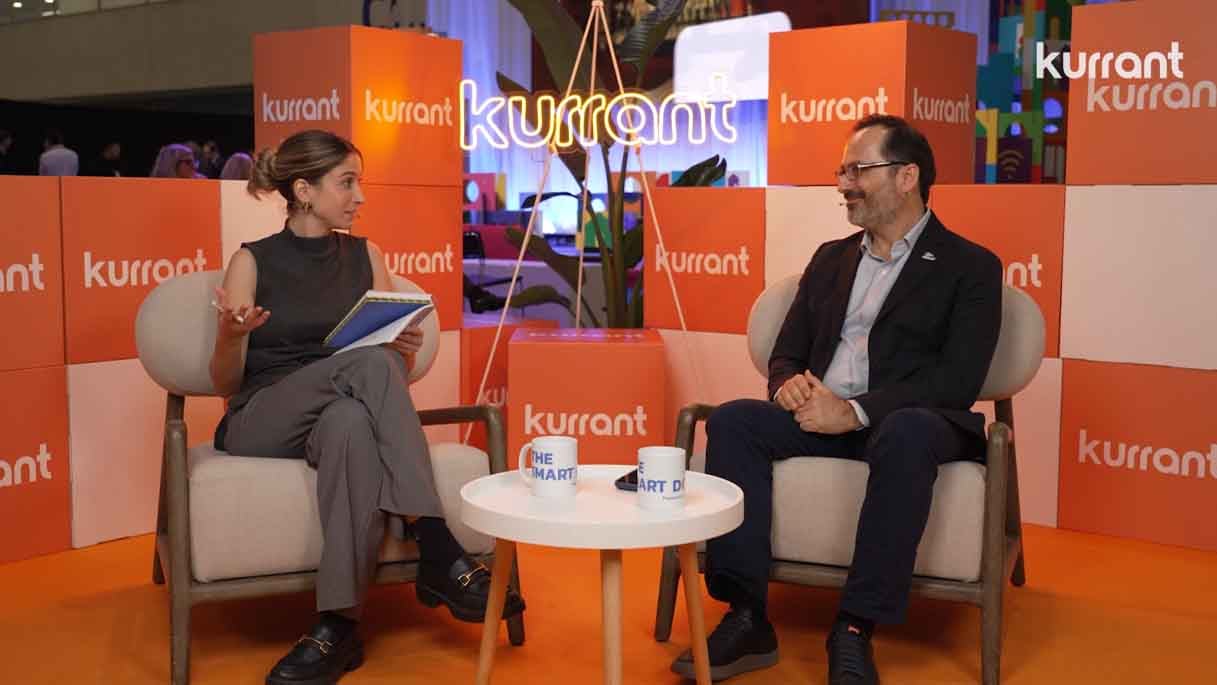
Central Eastern Europe is racing to reinvent how people and goods move, but is the region quietly building an advantage, or scrambling to catch up? This conversation with Aleksander Rajch Board Member at Polish New Mobility Association touches on surprising numbers, hidden bottlenecks, and a few bright spots that rarely make the headlines. If you care about the future of mobility, you’ll want to hear where Aleksander Rajch believes the real tipping point lies.
📖 Read Video Transcript
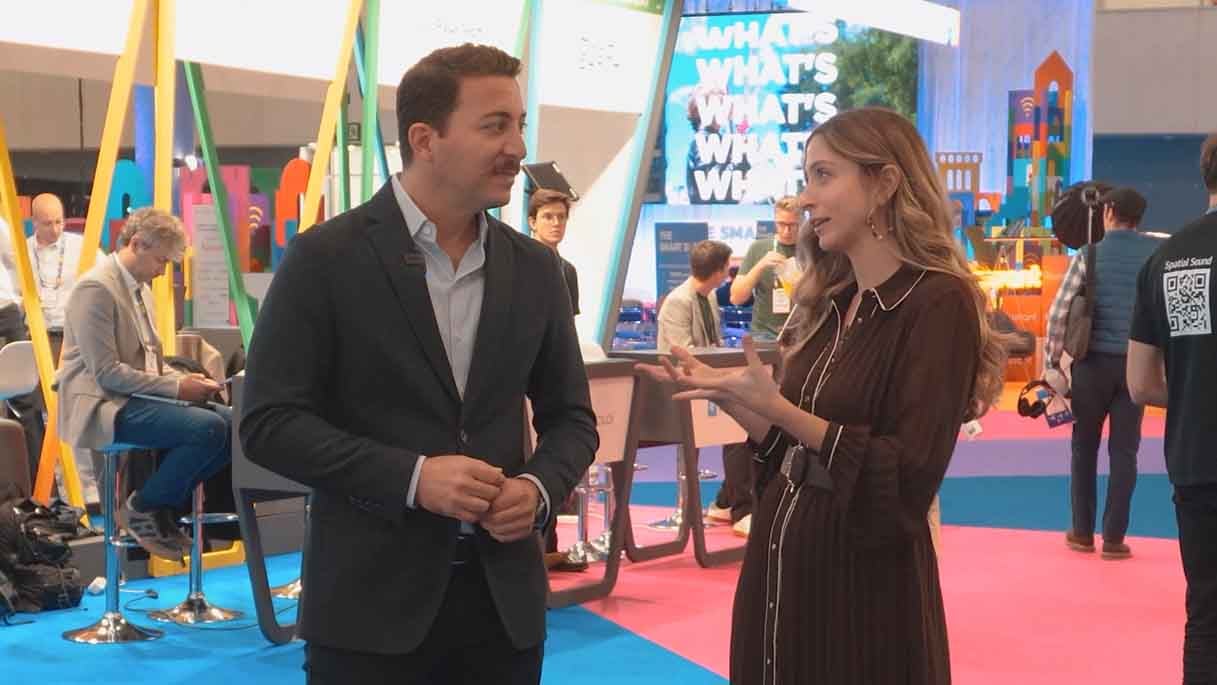
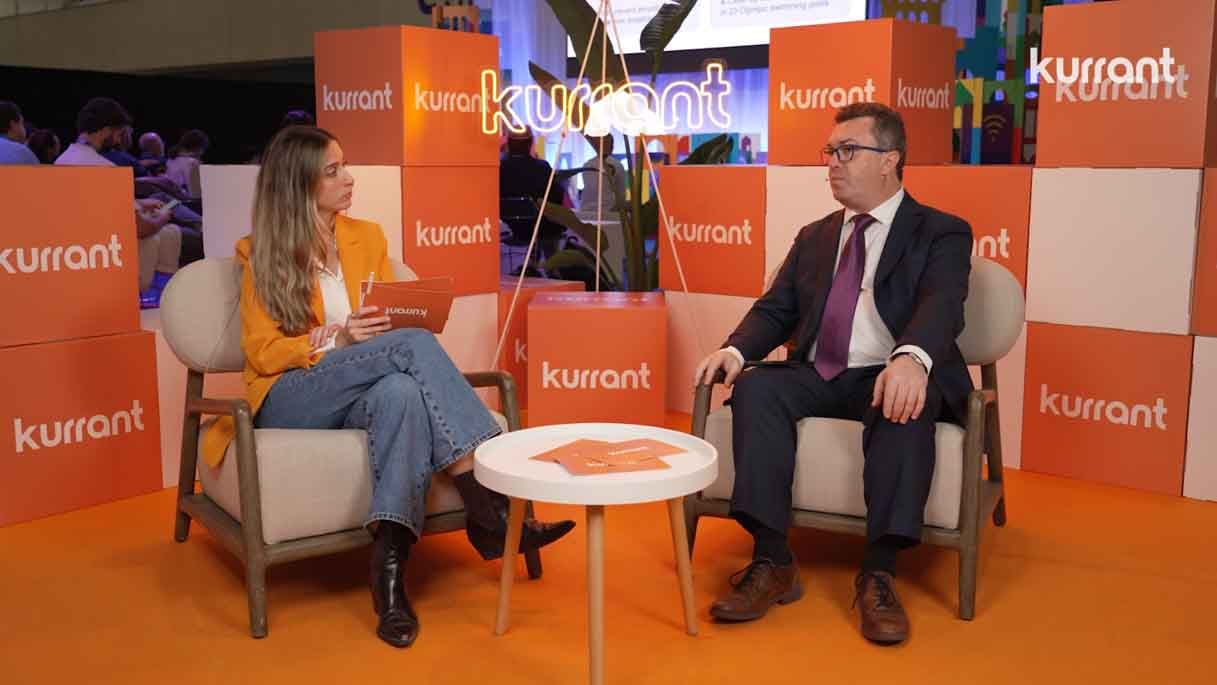
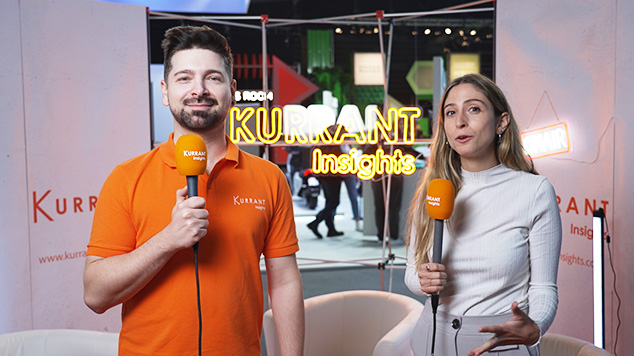
Hello from the Kurrant studio. I am here with Aleksander Rajch. He is from the Polish New Mobility Association. They're in charge of electrification and zero emission transport in Poland. We'll be discussing the Central Eastern European region, the adoption of new mobility schemes and digitalization. So my first question, Aleksander, has to be, how would you describe the state of new mobility in Central Eastern Europe compared to Western Europe? Yeah, thanks for the question. And thanks for having me. Yes. Central Eastern Europe obviously has that heritage shift, the post-communist system. And so, you can still kind of feel that, where owning a car is a very special thing. And it's very difficult to imagine life without a car. And in terms of new mobility, it's an ecosystem. So, robust grids, so energy storage, renewables are also part of that equation. And in that sense, obviously we are behind if you look at e-mobility alone, electromobility you have about 6% BEVs in the fleets of those countries, on average. You have on average 18% in the old EU countries. So it's three times more advanced. So yeah, we're lagging behind. And for Poland specifically, because geographically, and economy wise, it is the largest by far of the Central Eastern European countries, you can see that the most. So it's the most exposed. And meanwhile the challenges are huge because if you look at charging infrastructure alone, we have 7500km of the ten network. So the main roads in the EU are called the TEN-T network. That's the third largest. At the same time, we're behind in numbers. So that shows you the scale of the challenge and how much we still have to do. And how does that affect the transition to sustainable transport? How does that make it different? Well, it causes us to have to do it faster Us meaning Central Eastern Europe. But that means countries from the Baltic states to the Balkan states. We often put Italy into that group too, because, it's a very similar kind of approach and central administration, similar actually problems from the past, albeit not related to communism, but still. So we often incorporate Italy into our group, but sees obviously that strip, from the Baltic to the Balkan and, yeah, we have to do it faster, but we have all the learnings, all the conclusions, all the best practices and the worst practices of the countries that managed to deploy some solutions faster. So you can follow in their footsteps. Precisely so we can learn how we can do it better at the first attempt. So taking, for example, the French social leasing which, had to have a minor twitch here and there to make it a more perfect system in the second year of its existence. We can already learn from that and apply some of the learnings from the first year that the French didn't get right, because they were the first to do it. We can do it straight away in a good way. So you gave me some numbers earlier. But what's the pace of electric vehicle adoption in Poland and the region and what's driving it? Well the pace yeah we said that before is a little too slow. We have, 102,000, battery electric vehicles registered passenger vehicles in Poland. That's an a 20 million car fleet. So it's very small and it's very similar across the board in Central Eastern Europe, Romania, Hungary are registering slightly bigger numbers. Czechia as well. But overall, it's much too low and much too slow in terms of pace. Charging infrastructure, well, we have 12,000 charging points. That's still too little. We need more. Only 30% of that are what we would call fast charging colloquially. So DC charger. So this is still a problem. We have, I think less than 200 chargers that are over 150kW. So yeah, there's a lot of stuff to be done. And, grid connections and the lack of renewables still also pose problems across the region. So it's a slow pace. But when it does happen, what's driving it? Is it public funding? Is it private investment? What is it.? Well the pace is gaining momentum. So it is slow currently but it is growing. So that's the good news. And we see in some countries like Germany, it has slowed down and is very stagnant because the early adopters already switched to EVs. And, the unconvinced consumers still hesitate to do so. So we're still ahead of that phase in Poland or in other Central Eastern European countries. But what fuels it? Well, I think technology, first of all, and the kind of hunger for technology, I think the fact that in the end, it's a quiet, cheaper, more efficient vehicle that's also a lot. Well, we have to say cooler to drive because you have a very fast car that, you know, it's quiet and comfortable, has a lot of space. It's, runs on electricity. It doesn't smell and doesn't create any outside sound. So it's a really, really pleasant experience. And in the end, it is cheaper actually, here at the Tomorrow Mobility Congress in Barcelona, I actually had the pleasure to show a presentation where I showed that if you charge at home, you can charge for less than €15 cents a month. So if you have energy storage and, dynamic and off peak charging. But that's where we're going with this. You can conserve energy. You can save money and you can travel really in a comfortable mode. When you understand it, the pace quickens. Okay. And then what about regional cooperation. Is it helping standardize infrastructure and accelerate deployment? I think that cooperation across borders always helps standardization in terms of EV charging. It used to be a pretty independent liberal market where a lot of companies popped up and brought new technologies becoming increasingly regulated. We see that with the payments, where increasingly often you have to pay with a card and ad hoc payment as we call it. You don't really subscribe anymore. You don't give your data to these some of these companies, they're not really happy with that because data used to be one of their biggest assets. But that transition shows. Yeah. The more this becomes the kind of transnational topic, let's say, or solution or phenomenon, the more it becomes standardized, which is good for the consumer and good for the development of this technology. And then how is digitalization transforming mobility planning in the region? Digitalization is key. It's crucial because I mean, you can see it for example, in the logistics sector and the heavy duty vehicle sector. Poland, as we are still on the Central Eastern European region, has the third largest fleet of trucks in Europe with 846,000 such vehicles. Behind that, you have 700,000 people who are employed in that sector, 170,000 companies in that sector, 8% of the Polish GDP, fifth biggest economy of the EU. So it's a big topic. Digitalization is the key element to transition this towards electric powertrains. We need to plan those trips. You need to see, when you charge at logistics centers where you charge at hubs, how do you actually plan the journey? Do you have to switch sets? That whole process cannot be coordinated anymore by, well, in truth, humans, it has to be coordinated, but something that is methodical, digitalized, where ordered data is centralized. And we see it in examples across the world, not only in Europe, but also in the United States and China and Australia. It works. It can work, and it really delivers great, great results. Also cost benefits to companies that are involved in this. And then so what incentives or funding mechanisms are proving most effective for encouraging, private investment in new mobility. Yeah. I think incentives are divided into what we call bonus malice as a structure. So the ones that provide something and the ones that kind of, to do something. So in the end, you have a situation where, at the beginning, at an inception stage of the market development, like we see in Central Eastern Europe, you want to give so you have subsidies, usually state subsidies, usually financial subsidies. Then you kind of transition into incentives of a fiscal nature, often connected to tax deduction and other such processes. And then after that you start, for example, giving subsidies for scrapping ICE vehicles, internal combustion engine vehicles, or you promote somehow, BEVs but at the same time you add additional levies on CO2 emitters. So if you buy an old diesel, you have to pay an additional fee when using that vehicle. So you make it more difficult and less cost effective to have a vehicle that, or a technology that is a source of emissions. But you make it very favorable to have the technology that doesn't emit. And that is the incentive we're looking at. In the end, we cannot endlessly subsidize financially, really a private issue. So what car you have and what type of charging solution you use. But at the beginning, you definitely have to. Okay. And then my last question is in five years, will the CEE region have caught up or will it be leading a new mobility? Well, I told you, in Poland we have 100,000 vehicles. We probably will have 600,000 in 5 years. So a six time growth in five years. I think is not so bad for other CEE countries, it's similar. So yes, I think, in terms of numbers for fleets, for charging infrastructure, we will lead, we’ll reach the level that I think would be acceptable, in terms of where Europe and where the European Union needs to be. What's really important is will we lead in terms of industry, battery industry, battery recycling industry, charging infrastructure industry? We have a chance to lead, but we have to really make it work now. Well, with that image of the future, thank you so much for your time and for the conversation. Thank you so much.
Playlist: Smart City Expo World Congress Barcelona 2025
20 videos
Day 1 - Kicking off the Smart City Expo Barcelona 2025
The Smart Deal 2025: Pitch Day Highlights
The Smart Deal Reveal - Overview
LoRaWAN Turns 10: What's next? with Alper Yegin, CEO at the LoRa Alliance
Rochelle Haynes on Building Data-Driven, Equitable and AI-Ready Cities
Investing in Smart Mobility: Bridging Innovation and Infrastructure (Panel)
AI to Optimize Waste Management Across Cities with Daniel Panadero González
LA Street Lighting’s Smart City Playbook with Miguel Sangalang
Madrid’s Digital Strategy with Sonia Crespo Nogales
Gérard Wolf on The French Recipe for Sustainable Cities Video
Data From the Streets: Rethinking Smart Cities in Africa with Edgar Pieterse
Aleksander Rajch on the Future of Mobility in Central Eastern Europe
Scaling Urban Innovation with Gianmarco Piola and Pedro Moreira
From Living Labs to Trustworthy Data with Josep Laborda
Driving Europe’s Digital Future with Chiara Venturini
The Future of Urban Road Safety with Luca Pascotto
Building Smart, Equitable Cities with Debra Lam
Connecting Every School by 2030 with Irene Kaggwa
Smart City Expo 2025: The Wrap-Up
How AI and Accessibility Will Transform Urban Mobility with UCL Experts
More Smart City Expo World Congress Barcelona editions

🎥 Recent Event Coverage

🎬 Kurrant Originals


📰 Latest News
© Kurrant. All Rights Reserved. · Editorial Standards · Cookie settings
This site is protected by reCAPTCHA and the Google Privacy Policy and Terms of Service apply.