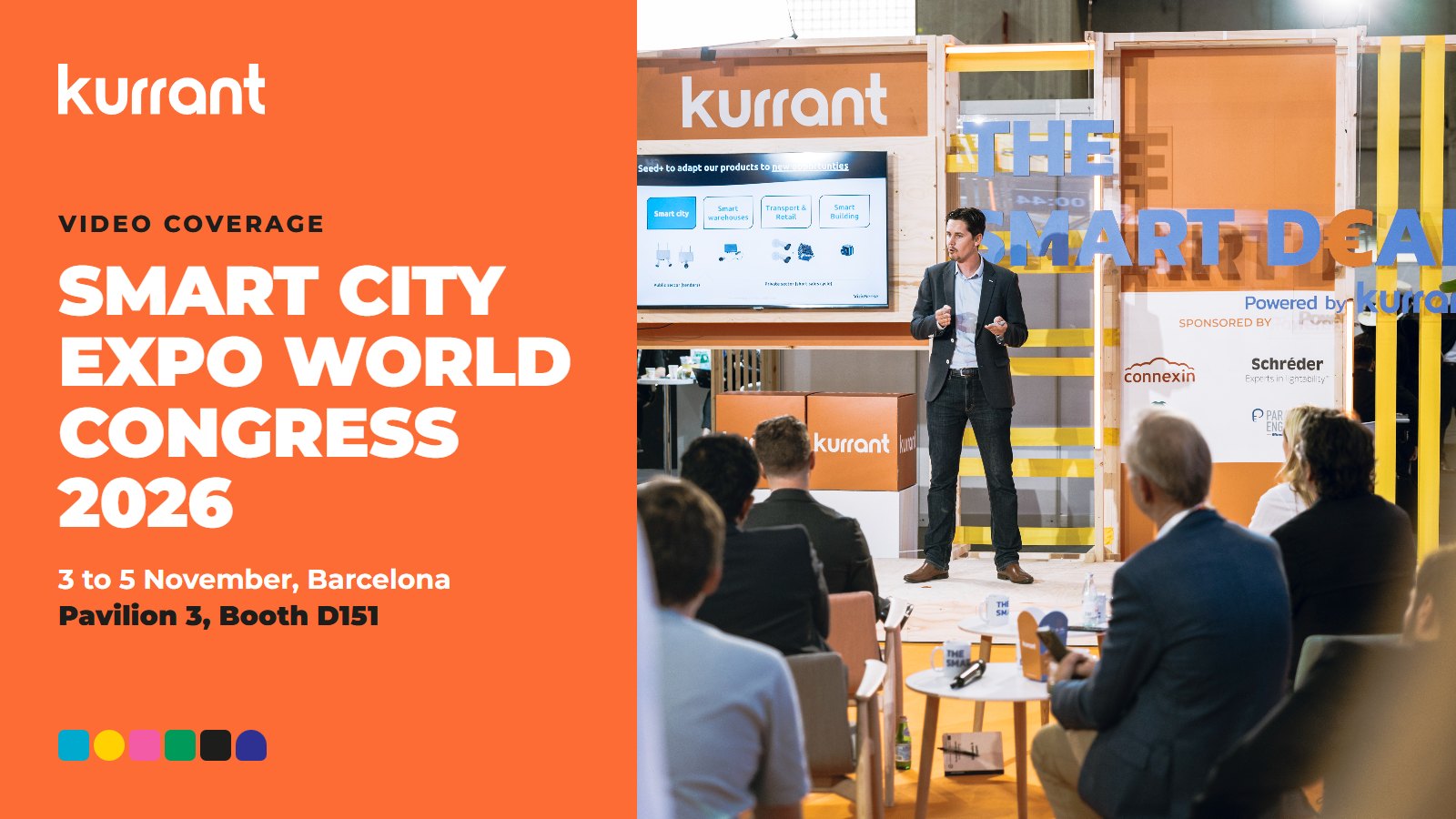
Meet  in Barcelona
 3 to 5 Nov 2026
Pavilion 3 · Booth D151
Our scheduleSchedule
Live from Barcelona · 1 videoLive
Book a meeting
in Barcelona
3 to 5 Nov 2026
Pavilion 3 · Booth D151
Our scheduleSchedule
Live from Barcelona · 1 videoLive
Book a meeting
← Back to all events
Smart City Expo World Congress Barcelona 2023
Recap of SCEWC '23
📖 Read Video Transcript
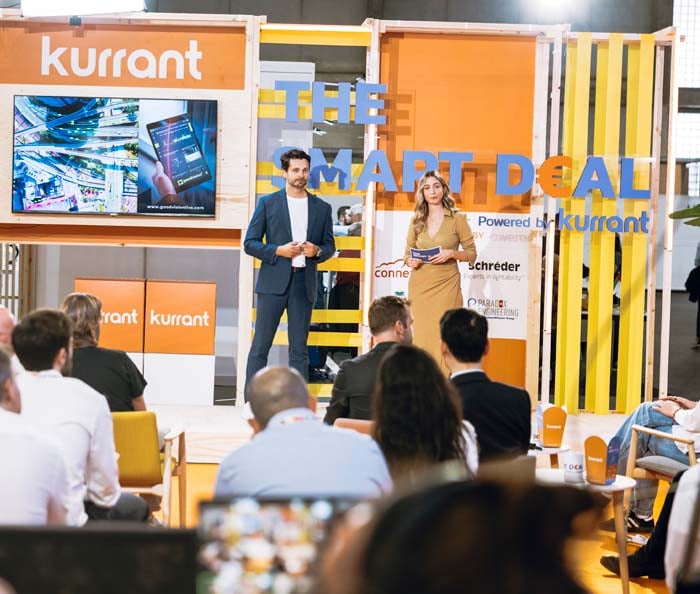
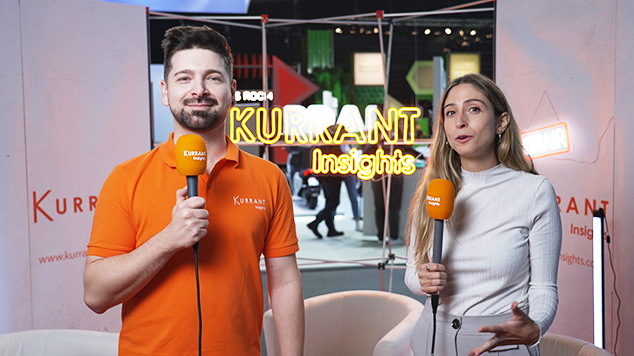
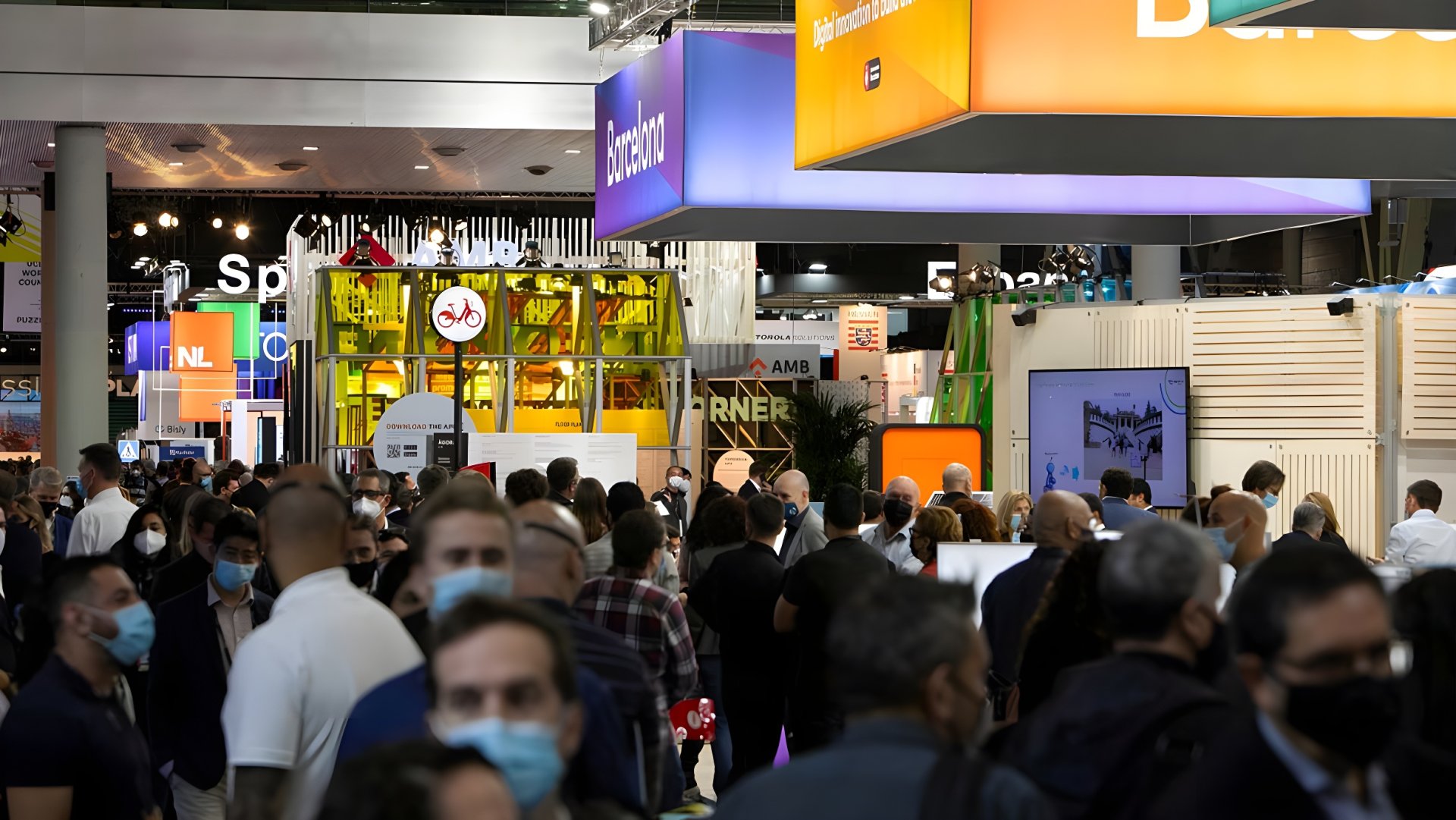
As we look back on the Smart City Expo World Congress, we had an event filled with panels and interviews, interviews with cities, to discuss their smart city strategies, and with vendors, to talk about the technologies and use cases leading and guiding the industry.
Artificial intelligence, which is at the moment mainly about computer vision, was a key topic during the expo.
The technology poses great advancements for smart city solutions, but at the same time, has led to concerns about privacy, ethics and biased algorithms.
At this moment we have established an AI ethical committee where civil society stakeholders, experts on privacy and advocacy will respond to some topics about the use, the ethical use of AI in our emerging technology.
Well, I think we need to remember that AI is a tool.
It should be a tool.
I like to call it the copilot, at least for now.
It's in the service of improving our, activities, our jobs.
In the case of cities, we have a bit of challenges, financing all these ideas is one, talent is another, regulation...
But they are mitigated by looking at, OK, we can follow the rules and regulation.
We can find public-private partnership programs to finance these projects.
We need to upskill people.
So the traditional challenges that come with any innovation and new technology, we’ve just got to go through the process of understanding and adapting and improving.
Talking about data privacy, AWS told us at the expo about the launch of their European Sovereign Cloud, confirming that data sovereignty is a primary concern for many European governments and cities.
But what we have heard from some specific customers, specifically those maybe that are in highly regulated industries, or looking for classified workloads, is that they want that additional operational autonomy or resilience specific to Europe.
And for those that's why we launched the EU sovereign cloud.
It's got the features that allow all the data to be kept in Europe, including the metadata that customers create because it's owned, it's operated out of Europe, it's operated by European residents, and it has that additional autonomy that allows all of the controls to be kept within Europe.
During the event, we were able to talk about return on investment with cities, a topic many of them don't normally like to discuss, but that is key, as, for solutions to be viable, their savings, performance optimization and citizen benefits must be quantified and provide a return on taxpayer money.
Return on investment, I think from a public body, needs to be much broader than just a cash saving.
I think it's about how do we be more efficient with the resources that we have?
How can we reallocate those resources to deliver better services for our citizens, or how do we actually deliver better outcomes for our citizens?
So it's a very different way of measuring.
It could be better environmental impact and how do you measure that in a traditional way?
So we need to look at new models where we measure that return on investment.
A multi modal system.
First you have infrastructures, and a system of hypervision of all the urban function first.
But in the heart of the system you have the citizen because this urban function is for citizens, but is also to optimize the system.
And for example, we have a 60% savings on street lighting.
It's around one or two million euros of savings.
And it's very important because these savings give us the possibility to invest.
It's a new way to think about public investment.
Scalability is another important performance criterion for smart city projects, and every city has its successes and challenges.
New Orleans explained how Hurricane Katrina had a key role in their smart city strategy, as the city had to rebuild their infrastructure, and how they struggled to scale projects.
Our conversation with Angers Loire Metropole highlighted the differences between municipalities, as they have a €179 million Smart City project, which moves their strategy forward.
It takes a lot for a full deployment across the city, and one of the things that we have struggled with is objections wherever they come.
So it's either educating the public or it's getting our teams synthesized on why we need a certain technology and why it needs to be scaled up and then just creating meaningful projects.
Cities have tight budgets and creating a meaningful project, and something that works effectively in one area of the city might not be the same value add across the city.
So scaling a solution really has to make sense financially to all of our stakeholders.
We started a big project named Smart Territory Angers Loire Metropole project.
And it's a project for 12 years for around €179 million and the goal is to have the best of the technology in many different subjects, like public lighting, like waste, like public water.
The goal is how can we have the better of IoT, of digital, to help us to improve the ecological transition in these different domains?
On the Expo novelties side, we saw Veolia’s first time as an exhibitor focusing on water, which has become a key point, as water scarcity and costs become major challenges for cities and utilities, putting the wastewater and water distribution networks at the forefront.
It's also an opportunity for the city not to have just to suffer from climate change, but also to be part of the solution.
And actually water management can also be part of the solution.
As an example, by producing energy, local energy, using wastewater.
This was only a sneak peek into the interviews and panels we did at the event, so don't miss out on any of our upcoming videos with full smart city strategies, players like MasterCard, or companies like HaydenAI, and our panels discussing topics like openness and interoperability, how to turn pilots into the real deal, or funding and financing models for smart city projects.
More Smart City Expo World Congress Barcelona editions

Recent event coverage
See all



Latest Kurrant Originals
See all

Latest news
All news- eThekwini Municipality Plans Citywide Smart Water Meter Rollout Against 58% Non-Revenue Water2 Nov 2026
- The Australian Renewable Energy Agency Funds A$4.1M JET Charge V2G Trial2 Nov 2026
- TALQ Consortium Releases Edition 5 Tender Template For Interoperable Smart Street Lighting31 Oct 2026
- City Of Zadar Selects ELIPSA For €197,900 Design Of Intelligent Transport System Phase Two31 Oct 2026
Kurrant advisory
Planning a smart city or utility project? Talk to Kurrant.
Behind these interviews is Kurrant's advisory team, working with utilities, cities and the companies that serve them.
- Strategy AdvisoryKurrant is actively involved in resolving the challenges that cities, utilities and industry players are facing.
- M&A AdvisorySmart city and utility expertise for successful deals, turning insights into strategic gains.
- Engineering & ProcurementBetter engineering and procurement decisions, by identifying and developing digital and IoT solutions across use cases.
Or write to us: contact@kurrant.com
Send us a message
© Kurrant. All Rights Reserved. · Editorial Standards · Cookie settings
This site is protected by reCAPTCHA and the Google Privacy Policy and Terms of Service apply.